

We are a digital agency helping businesses develop immersive, engaging, and user-focused web, app, and software solutions.
2310 Mira Vista Ave
Montrose, CA 91020

2500+ reviews based on client feedback
What's Included?
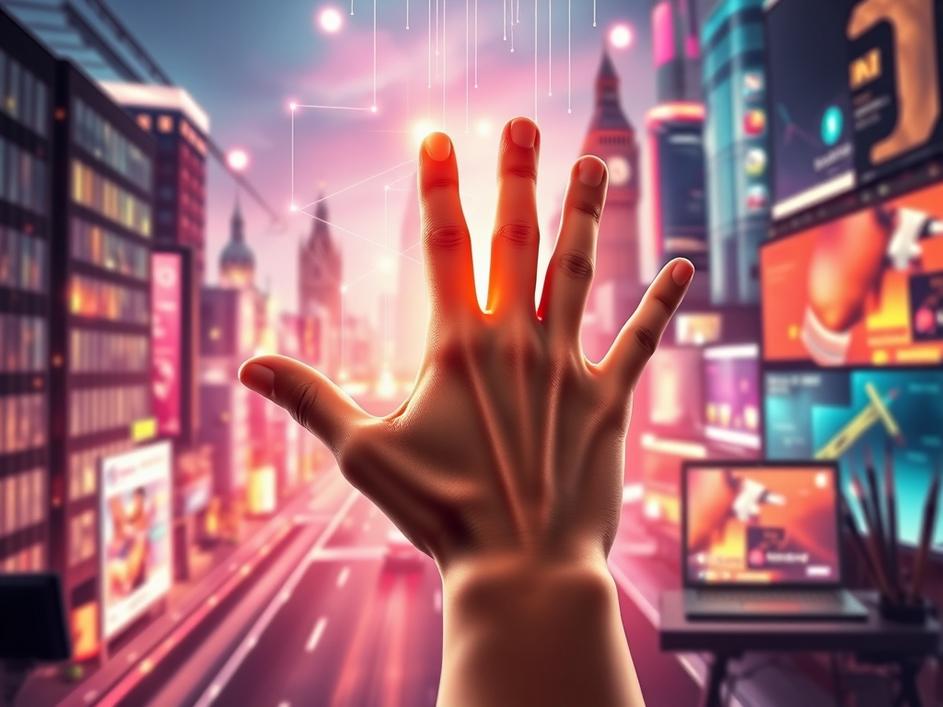
ToggleIt feels like every other day we hear about artificial intelligence. Chatbots write stories, programs make pictures, and some folks worry that computers will soon do everything artists and designers used to do. It’s a real concern for many, especially in creative fields. We’ve seen a lot of talk about AI taking over, or just being a cool tech trick. But what if we looked at it differently? What if AI wasn’t just a threat, but a powerful new paintbrush in the artist’s hand? This is exactly the kind of thinking behind the new Bionic Awards. These awards are popping up in London, and they’re all about showing off the amazing things humans can create when they use AI as a partner, not a replacement. It’s a refreshing take, shifting the spotlight back to the unique spark that only people bring to the table. This isn’t just about cool tech; it’s about pushing the boundaries of what creativity means in a fast-changing world.
The Bionic Awards are pretty clear about their mission. They want to celebrate visual artists who are really good at working with AI tools. Think of it like this: an architect uses advanced software to design a building, but the vision, the style, the clever solutions all come from the architect. It’s the same idea here. These awards are looking for that special blend where human imagination drives the machine. They’re not just giving trophies to “AI-generated images” in a vacuum. Instead, they’re honoring the people who guide the AI, who experiment, who bring a specific artistic goal to life using these powerful new tools. London is a great spot for this kind of event, a city known for its creativity and its forward-thinking attitude. It’s a place where art, tech, and business often mix, making it the perfect home for an award that brings together the worlds of creative professionals, AI experts, and big brands. This mix helps everyone see how these different areas can work together.
We’re living in a time where different parts of our world are bumping into each other in new ways. The creative world, the tech world, and the world of big businesses are all finding themselves on common ground thanks to generative AI. For a long time, these areas often stayed in their own lanes. Artists worked in studios, tech people built their gadgets, and brands focused on selling stuff. But generative AI has changed the game. Suddenly, an artist can create incredible visuals with tools that were once only in the hands of tech wizards. Brands are seeing the potential for new kinds of marketing and storytelling. This means there’s a real need to understand and celebrate the best examples of this new kind of work. The Bionic Awards step in at just the right moment. They give us a clear way to see who is leading the charge, who is really making smart, beautiful, and meaningful things using these new methods. It’s about setting a standard and showing everyone what’s possible when these different fields connect.
When I think about art made with AI, I don’t see the machine as the artist. Not really. I see the human behind the screen as the true creator, the conductor of a very powerful orchestra. AI tools don’t have feelings. They don’t have experiences, memories, or a soul. They can’t feel joy, sadness, or wonder. These are the things that fuel human creativity, that make art speak to us. An AI can generate a thousand images based on a prompt, but it’s the artist who dreams up the prompt, who picks the best image, who tweaks it, refines it, and pours their intention into it. It’s like a photographer using a super-fancy camera; the camera does amazing technical things, but the photograph’s power comes from the photographer’s eye, their decision about what to capture and how to frame it. The Bionic Awards recognizing this human element is crucial. It reminds us that even with the most advanced tools, the spark of imagination, the unique vision, and the thoughtful choices always come from a person. AI is a tool, a very smart and fast one, but a tool nonetheless. It helps us build new things, but it doesn’t decide what to build or why.
What these awards do is more than just hand out prizes. They’re helping to shape the future of creative industries. By putting a spotlight on top talent working with AI, they make it okay, even cool, for more artists to explore these tools. They might inspire new kinds of art schools or courses that teach people how to truly master AI as a creative partner. Think about how digital painting was once seen as “lesser” than traditional painting. Now, it’s a huge field with incredible artists. The Bionic Awards could do something similar for AI-assisted art. They also push important conversations about ownership, ethics, and the definition of art itself. As more people see the high-quality, human-driven work being done, the general public’s understanding of AI in creativity will also grow. It helps us move past the fear or novelty and into a place of serious artistic exploration and appreciation. These awards are a big step in showing that AI isn’t here to replace human genius, but to offer it new ways to express itself.
So, as we look to a future where AI continues to evolve at lightning speed, it’s good to have events like the Bionic Awards. They act as an important reminder that technology, no matter how powerful, is always best when it serves human purpose and creativity. They highlight the incredible talent and vision of artists who are bravely stepping into new territories, using cutting-edge tools to bring fresh ideas to life. It’s not about machines making art; it’s about humans making art, powered by machines. The Bionic Awards celebrate that amazing partnership, making sure that even as our tools get smarter, the heart and soul of creativity stay firmly in human hands. It’s an exciting time, and these awards are helping us all understand just how much more vibrant and diverse our creative landscape can become.

Comments are closed