

We are a digital agency helping businesses develop immersive, engaging, and user-focused web, app, and software solutions.
2310 Mira Vista Ave
Montrose, CA 91020

2500+ reviews based on client feedback
What's Included?
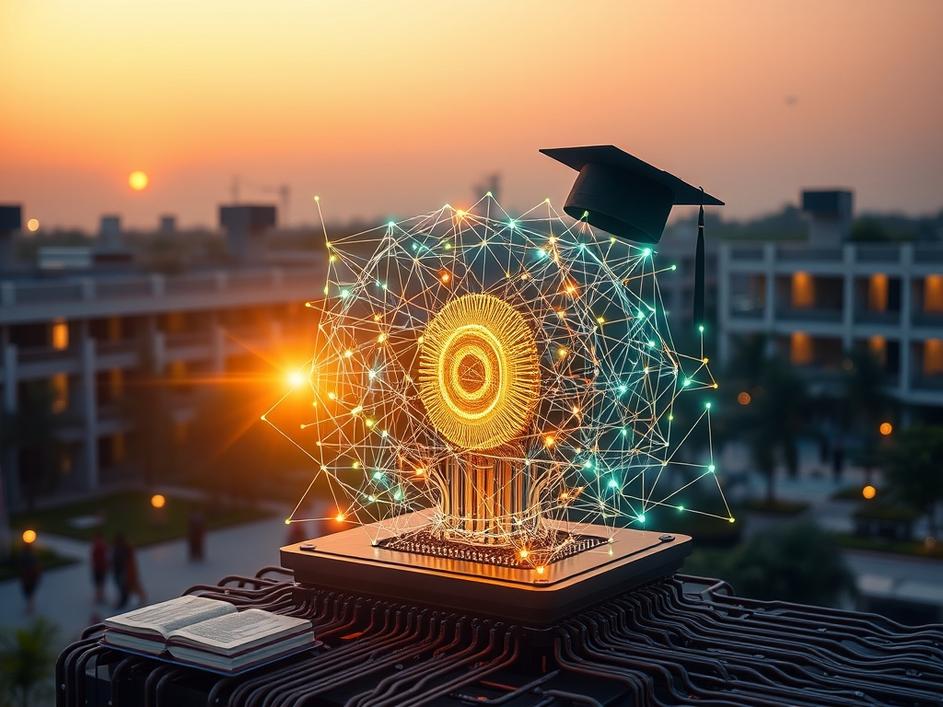
ToggleThe world of technology is always moving forward, and it’s exciting to see our educational institutions keeping pace. Recently, Visvesaraya Technological University (VTU) in Bengaluru made a big announcement: they are starting a new MTech program in quantum computing. This isn’t just another new course; it’s a huge step towards preparing students for what many believe is the next big revolution in computing. Think about it – a subject that sounds like it’s straight out of science fiction is now becoming a core part of advanced engineering studies right here in India. This move by VTU shows a real vision for the future, recognizing the immense potential of quantum technology and the need for skilled people to work in this complex field. It’s a clear signal that India is serious about being at the forefront of global technological advancements, not just consuming technology but creating it. The introduction of such a specialized program points to a deep understanding of where the global tech landscape is heading, pushing boundaries and fostering innovation.
So, what exactly is quantum computing? It’s okay if it sounds a bit intimidating, because it deals with some really complex ideas from quantum physics. In simple terms, while traditional computers use bits that are either 0 or 1, quantum computers use “qubits” that can be 0, 1, or both at the same time. This seemingly small difference opens up a world of possibilities, allowing these machines to process information in ways currently impossible for even the most powerful supercomputers. Imagine solving problems that would take a classical computer billions of years in just a few minutes. That’s the promise of quantum computing. It has the potential to totally change fields like medicine, materials science, artificial intelligence, and even cryptography. We are talking about designing new drugs, creating super-efficient solar cells, or developing unbreakable encryption methods. This isn’t just about making computers faster; it’s about making them capable of thinking about problems in completely new ways, tackling challenges beyond our current computational reach.
The decision by VTU to offer an MTech in quantum computing is incredibly important for several reasons. First, it addresses a growing need for specialized talent. The quantum industry is still in its early stages, but it’s rapidly expanding, and there aren’t many people with the specific skills needed to build, program, and maintain these machines. By creating this program, VTU is actively working to fill that skill gap, preparing a new generation of engineers and scientists who will be ready to step into these cutting-edge roles. This isn’t just about giving students another degree; it’s about equipping them with the tools to innovate and lead in a nascent but hugely promising industry. Secondly, it positions India as a key player in the global quantum race. Many countries are investing heavily in quantum research and development. By producing highly skilled professionals, India can strengthen its position as a hub for advanced technology, attracting research, investment, and future development in this crucial area. It’s about building a foundation for future economic growth and technological independence.
Starting an MTech program in quantum computing isn’t easy, and there will definitely be challenges. For one, the field itself is incredibly complex and constantly evolving. This means the curriculum will need to be flexible and updated regularly to stay relevant. Teaching quantum concepts also requires faculty with deep expertise, which might be a hurdle to find in large numbers. Plus, quantum computers are still largely experimental, expensive to build, and require specialized lab environments. So, students will need hands-on experience, which means VTU will need strong infrastructure or partnerships with research labs and companies. But with these challenges come huge opportunities. Students who complete this program will be highly sought after. They’ll have the chance to work at the forefront of science and technology, potentially making breakthroughs that could change the world. From developing new algorithms to building quantum hardware, the career paths are diverse and exciting. This program offers a unique chance for students to be pioneers in a field that’s just beginning to bloom.
VTU’s move isn’t an isolated event; it reflects a broader trend in India’s higher education system. Over the past few years, there’s been a clear push to move beyond traditional engineering disciplines and embrace emerging technologies. We’ve seen similar developments in AI, machine learning, and data science, and now quantum computing is joining that list. This focus on future-ready courses is vital for India to maintain its competitive edge on the global stage. It shows that Indian universities are not just reacting to global trends but are actively shaping them by producing world-class talent. When a university like VTU, which caters to a vast network of engineering colleges, takes such a bold step, it sends a strong message. It encourages other institutions to think similarly, to innovate their curricula, and to invest in cutting-edge research. This ripple effect can elevate the overall standard of technical education, creating an ecosystem where innovation thrives and students are prepared for jobs that might not even exist yet. It’s about building a robust pipeline of talent for the future.
From my perspective, this MTech program isn’t just about adding a new degree to VTU’s catalog. It’s a strategic investment in the future of Indian technology and its workforce. Think about the long-term impact: a steady stream of quantum engineers and scientists can fuel innovation in both public and private sectors. It could lead to the establishment of dedicated quantum research centers, attracting international collaborations and funding. Students enrolling in this program won’t just learn theories; they’ll likely be involved in projects that push the boundaries of what’s known, working alongside experts who are shaping the field. This kind of hands-on, forward-looking education is exactly what’s needed in today’s fast-changing world. It’s about empowering young minds to tackle the grand challenges of our time, whether that’s in drug discovery, climate modeling, or secure communication. The emphasis on such a specialized, high-tech area also signals a growing maturity in India’s approach to higher education, moving towards niche, high-value programs that meet specific industry needs, a sign of smart, focused growth.
In conclusion, VTU’s introduction of an MTech in quantum computing is a landmark moment. It’s a testament to the university’s foresight and commitment to pushing the boundaries of technical education in India. By equipping students with deep knowledge and practical skills in this emerging field, VTU is not only preparing them for high-demand jobs but also contributing significantly to India’s position as a global tech leader. This program represents a belief in the power of education to drive innovation and shape the future. It’s an exciting time for students considering a career at the very edge of technological possibility. The quantum future is coming, and thanks to steps like these, India will be ready to embrace it, leading the way in discovery and development.

Comments are closed