

We are a digital agency helping businesses develop immersive, engaging, and user-focused web, app, and software solutions.
2310 Mira Vista Ave
Montrose, CA 91020

2500+ reviews based on client feedback
What's Included?
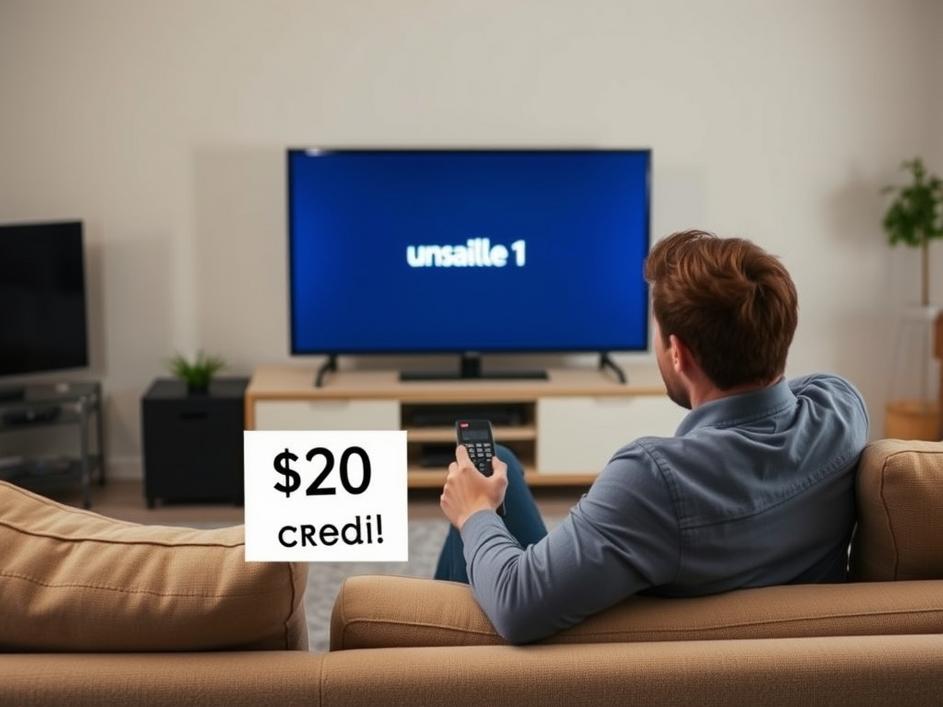
ToggleImagine you’re all set to watch the big game, catch up on a crucial news update, or maybe just relax with a beloved show. You flip to the channel, and… nothing. Just a blank screen, or perhaps a message telling you it’s gone. That’s precisely what a whole bunch of YouTube TV subscribers recently faced. For a good chunk of time, roughly a week, channels owned by Disney – think ESPN, ABC, FX, and so many others – were simply unavailable. It wasn’t a problem with your internet or your TV; it was a full-blown dispute between YouTube TV and Disney. Both companies couldn’t agree on how much YouTube TV should pay to carry those channels. When these big companies can’t shake hands, it’s the everyday viewer who gets caught in the middle. This kind of sudden blackout is super frustrating, especially when you’re paying good money for a service that’s supposed to deliver exactly these channels. It makes you wonder what you’re actually paying for if your access can just vanish overnight.
After the dust settled and the channels finally came back online, YouTube TV announced they would give every affected customer a $20 credit. This credit can be applied to their next bill, effectively lowering the cost for one month. Now, a $20 credit sounds like a nice gesture on the surface. It acknowledges the inconvenience and the frustration. But let’s be real for a second: for many, a week without key channels, especially during important sports seasons or when major network shows are airing, might feel like it deserved more. What’s the true value of missing those moments? For someone who relies on ESPN for daily sports coverage, or a parent whose kids missed their favorite Disney Channel shows, that $20 might feel a bit hollow. It’s certainly better than nothing, and it shows YouTube TV understood the anger. But it also highlights the disconnect between the companies’ bottom lines and the real impact on user experience. Is it enough to regain full trust? Probably not for everyone.
This whole episode isn’t just about YouTube TV and Disney. It’s a peek behind the curtain at the constant, often messy, negotiations that go on between content providers and streaming services. These big media companies, like Disney, want to get paid top dollar for their channels, and understandably so. Meanwhile, streaming providers like YouTube TV are trying to keep their monthly prices reasonable to attract and keep subscribers. They don’t want to pass every single cost increase directly to us. It’s a delicate balance, and sometimes, as we’ve seen, that balance breaks. These fights aren’t new; traditional cable companies have gone through them for years. But for streaming, which promised a simpler, more flexible way to watch TV, it feels especially jarring. We cut the cord to escape the old headaches, but now we’re seeing similar issues pop up in new forms. It’s a stark reminder that even in the modern streaming world, there are powerful gatekeepers determining what we can and can’t watch.
When you sign up for a streaming live TV service, you’re looking for a hassle-free experience. You expect your channels to be there, day in and day out. This blackout wasn’t just about losing access to specific shows; it was about losing the expectation of reliability. It makes you think twice about committing to one service. If channels can disappear so easily, what’s stopping it from happening again with different channels or a different provider? This situation forces subscribers to consider their options. Do you really need live TV? Should you go back to antenna for local channels? Or maybe piece together multiple streaming services, making the cost add up and the convenience disappear? The “cost” here isn’t just the $20 credit or your monthly bill; it’s the time spent researching alternatives, the frustration of missing content, and the erosion of trust in a service you rely on. It complicates the whole idea of “cord-cutting” and finding a simpler, cheaper way to watch TV.
This recent blackout and the resulting $20 credit are a sign of the times in the streaming world. As more people move away from traditional cable, these kinds of carriage disputes are likely to become more common, not less. Content owners know their channels are valuable, and streaming services need that content to attract subscribers. We, the viewers, are stuck in the middle, often feeling like pawns in a much bigger corporate game. It means we might need to adjust our expectations. Perhaps we can’t always expect every channel to be available all the time on one single service. It might lead to more people trying out free over-the-air antennas for local channels, or perhaps investing in multiple smaller, niche streaming apps rather than one big live TV bundle. The streaming future is still unfolding, but episodes like this remind us that it’s not always going to be smooth sailing. It’s a dynamic landscape, and staying flexible and informed about our options will be key.
So, YouTube TV gave a $20 credit, and the channels are back. That’s good news, no doubt. But the bigger picture here is about the power dynamics in the streaming world and how they affect us, the paying customers. We sign up for these services hoping for simplicity and reliability, but often, we get tangled in battles between giant corporations. The $20 credit helps, yes, but it doesn’t erase the week of missing content or the worry that it could happen again. It’s a reminder that even in the age of streaming, securing your favorite shows and channels can still be a tricky business. We’re all looking for the best way to watch what we want, when we want it, without breaking the bank or dealing with endless drama. This incident serves as a clear signal that the path to truly seamless, subscriber-friendly streaming is still very much under construction. As consumers, we have to stay alert and advocate for transparency and stability from the services we choose to pay for.


Comments are closed