

We are a digital agency helping businesses develop immersive, engaging, and user-focused web, app, and software solutions.
2310 Mira Vista Ave
Montrose, CA 91020

2500+ reviews based on client feedback
What's Included?
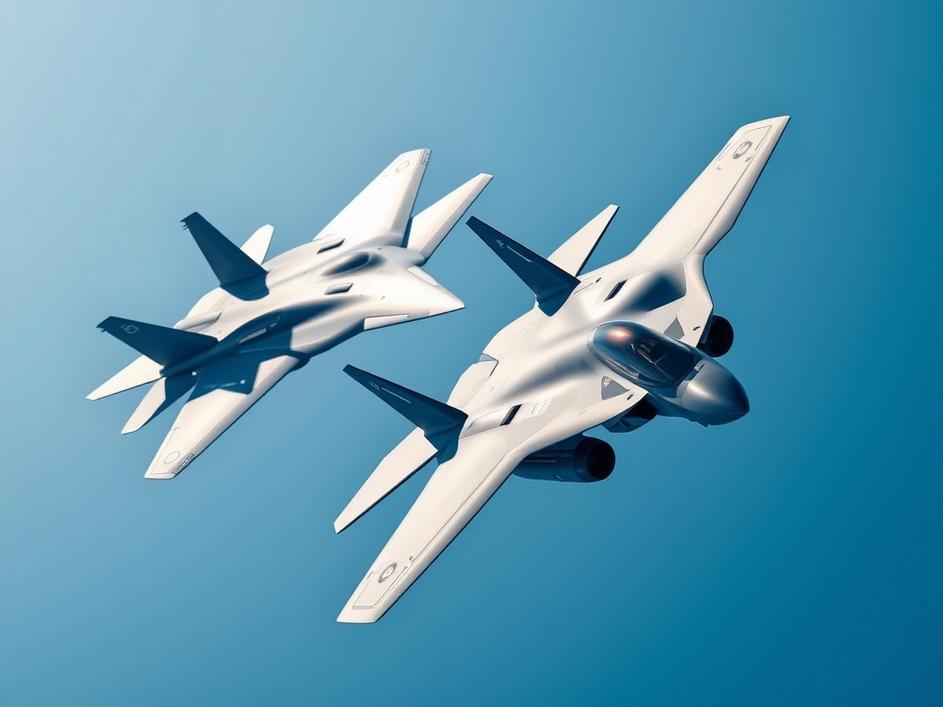
ToggleThe world of air combat just got a major update. Recently, a new type of aircraft, called “Fury” by Anduril, took to the skies for its very first test flight. This isn’t just any jet; it’s a pilotless plane, packed with smart computer brains, designed to work alongside human pilots. Think of it as a significant step into what many call the next big thing for our skies. Another big player, General Atomics, is also making progress, showing just how important these new machines are becoming. This moment marks more than a successful flight; it signals a big shift in how countries might defend themselves and how air battles could look. We’re moving into an era where machines and humans work together in ways only seen in movies until now. It’s a fascinating time, full of possibilities and big questions.
So, what makes these new jets like Fury so special? They’re known as Collaborative Combat Aircraft, or CCAs. The name says it all: they are built to “collaborate.” Imagine a fighter pilot in a traditional jet, but instead of flying alone, they have one or more AI-powered wingmen flying right beside them. These unmanned jets aren’t meant to replace human pilots entirely, at least not yet. Instead, they’re designed to expand what a human pilot can do. They can scout ahead, carry extra weapons, jam enemy signals, or even act as a decoy. Their strength comes from following complex orders, adapting quickly, and handling tasks too risky or dull for a human. It’s about teamwork, but with one advanced robot as a team member. This setup promises to make our air forces more capable and much harder for an enemy to deal with.
The reasons for developing these AI-driven jets are clear. First, cost. Building and operating an unmanned aircraft can be much cheaper than a traditional fighter jet, which is incredibly expensive to develop, build, and maintain. Second, risk. With no pilot on board, extremely dangerous missions no longer put human lives at direct risk. This is a huge factor, especially in highly contested airspace. Third, numbers. Fielding more aircraft, even if smaller or less complex than a top-tier fighter, can give a major advantage. Imagine a squadron of human-piloted jets, each controlling several AI wingmen. That’s a huge increase in presence and firepower. Plus, these machines can handle speeds and G-forces that would put extreme strain on a human body. This means they can perform maneuvers and missions impossible for a piloted aircraft, pushing airpower boundaries.
But, as exciting as these developments are, they also bring up very serious questions. The biggest one is about trust. How much trust can we place in an AI system flying a combat mission? While these systems assist human pilots, the idea of machines making critical decisions, even under human supervision, can be unsettling. What happens if the AI makes a mistake? Who is accountable? Then there’s the question of control. How do you ensure these systems always act within the rules of engagement? There’s a fine line between giving an AI enough freedom to be effective and giving it too much. Escalation is another concern; could an autonomous system unintentionally escalate a conflict faster than human decision-makers can react? These aren’t easy questions, and finding the right answers will be crucial. Technology advances quickly, but our understanding of its full impact and rules must keep pace.
Looking ahead, these unmanned jets are set to change more than how we fly missions. They will reshape military strategies and how nations think about defense. Countries mastering this technology will likely gain a significant edge. It also means big changes for defense companies and how they design and build aircraft. We might see more focus on modular designs, allowing these unmanned planes to swap out different sensors or weapons depending on the mission. Pilot training will also evolve; instead of just flying their own jet, they’ll need to learn how to command a small fleet of robotic wingmen. This isn’t just about faster planes or more weapons; it’s about a fundamental shift in how air forces operate, how conflicts are managed, and how technology plays a role in keeping peace or, unfortunately, fighting wars. The race is on, and the stakes are incredibly high.
The first flight of Anduril’s Fury marks a true milestone. It shows us that the future of air combat, with its smart, unpiloted jets, is not a far-off dream but a reality taking shape now. These Collaborative Combat Aircraft offer incredible potential: they can make our forces stronger, reduce risks to human lives, and introduce new tactical possibilities. But with all this promise comes deep responsibility. We need to think carefully about the ethical sides, the questions of control, and how these powerful tools will fit into a complex world. The journey into this new age of airpower is just beginning, and while the machines themselves are amazing, the real challenge will be ensuring we use them wisely and for the greater good. It’s a future both exciting and incredibly complex, and how we navigate it will define the next chapter of aerospace.


Comments are closed