

We are a digital agency helping businesses develop immersive, engaging, and user-focused web, app, and software solutions.
2310 Mira Vista Ave
Montrose, CA 91020

2500+ reviews based on client feedback
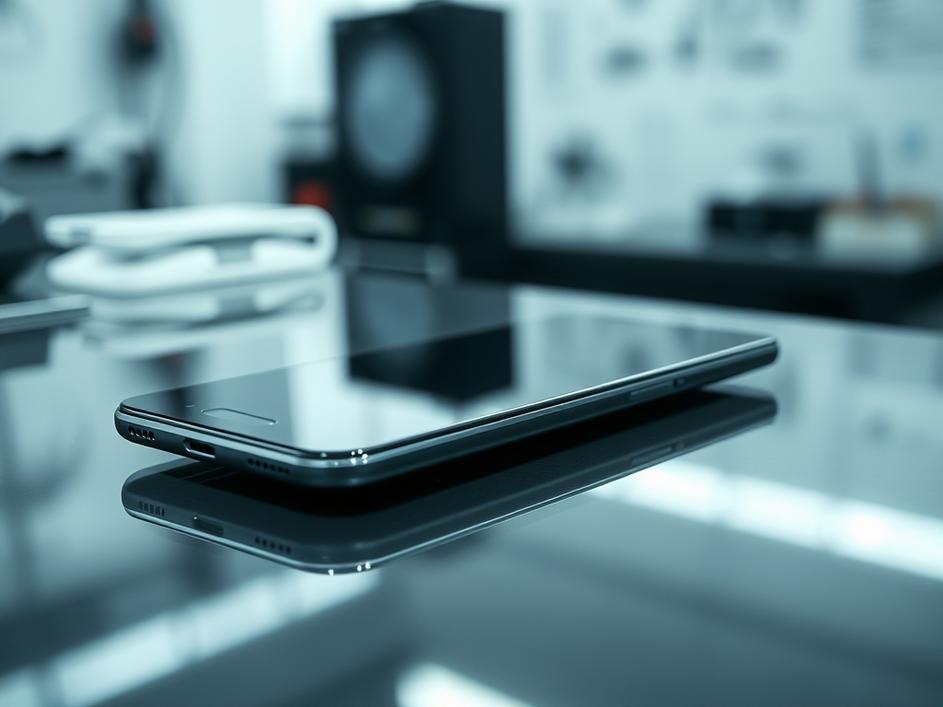
Big news often comes with little fanfare from Apple, but sometimes, what doesn’t launch speaks volumes louder than any keynote announcement. Reports are flying around that the much-anticipated iPhone Air 2 has been quietly, or not so quietly, put on hold. This isn’t just about a new phone; it’s about a potential rethink for one of the world’s most influential tech companies. The original iPhone Air, an extra-thin model, apparently didn’t quite hit the mark with buyers. We’re hearing that production lines might have even stopped. For a company known for pushing boundaries and setting trends, this move is a stark reminder that even giants can sometimes misread what people truly want. It makes you wonder: what happened? Was the idea of an ultra-thin phone simply not enough to get people excited, or were there bigger issues at play that pushed this innovative project to the sidelines?
For years, Apple has had a thing for making things thinner and lighter. Think back to the MacBook Air, which completely changed how we thought about portable laptops. The “Air” branding always stood for sleekness, portability, and cutting-edge design. It seemed like a natural step to bring this same idea to the iPhone. An ultra-thin iPhone Air sounded like the next logical evolution, promising a device that felt almost invisible in your hand or pocket. On paper, this vision must have been compelling inside Apple’s design labs. They probably imagined a future where our phones were barely there, reducing bulk without sacrificing power. It’s a testament to their engineering muscle that they could even create such a device. But sometimes, what looks good in a concept drawing or feels amazing in a prototype doesn’t quite translate to real-world use for millions of people. The question is, did the pursuit of thinness push other, more crucial features into the background?
So, if the iPhone Air was so innovative, why didn’t it fly off the shelves? There are a few guesses we can make. For starters, pushing for extreme thinness often means making compromises. Battery life, for example, is a huge deal for phone users, and a super-slim body usually means a smaller battery. Then there’s durability; a thinner phone can sometimes feel more fragile, and nobody wants to spend a lot of money on a device that feels like it could break easily. Price might also have played a role. Apple’s premium devices already come with a premium price tag. If the main selling point was just being thin, and it came with potential drawbacks, maybe people didn’t see enough value to justify the cost over a regular, robust iPhone model. It seems like the market has spoken, telling us that while thin is nice, it’s not the only, or even the most important, thing people are looking for in their daily driver phone. Sometimes, innovation means knowing when to stop, or at least when to pause and re-evaluate.
This reported decision to hit pause on the iPhone Air 2 isn’t a sign of failure; it’s a sign of a company listening. Even Apple, with all its market power, isn’t immune to consumer preferences. It shows a certain level of humility, a willingness to admit that maybe this particular direction wasn’t the winning one. For years, the tech world has watched Apple innovate, sometimes getting it absolutely right, and sometimes launching products that needed a generation or two to catch on. With the iPhone Air, it seems the feedback was swift and clear. This course correction means Apple can refocus its incredible resources on features that truly resonate with users. Perhaps they’ll invest more in camera technology, longer battery life, or new ways of interacting with our devices. It’s a good reminder that product development isn’t always a straight line; sometimes, you have to adjust your sails based on the winds of the market.
The story of the iPhone Air might just reflect a bigger shift in what we all expect from our smartphones. Are people still chasing the thinnest device, or have our priorities moved on? It feels like battery life, camera capabilities, and overall device performance are now much higher on the list for most buyers. Durability and longevity are also key, especially as phones become more expensive. We’ve seen the rise of foldable phones, which, while still a niche, show that people are open to different forms and functions, not just extreme thinness. Perhaps the market is telling Apple that there are other, more impactful ways to innovate and improve the user experience than just shaving off another millimeter. It pushes us to think about what ‘next generation’ really means. Is it about shrinking existing tech, or is it about introducing completely new possibilities?
Ultimately, the reported halt of the iPhone Air 2 project is a fascinating moment in Apple’s history. It underscores that even the most innovative companies sometimes take a detour before finding the right path. It’s a powerful lesson that true innovation isn’t just about what’s technically possible, but what truly enhances people’s lives and meets their unspoken needs. For Apple, this likely means stepping back, reassessing, and channeling their genius into areas where consumers are really looking for breakthroughs. The ‘Air’ might have gone out of this particular iPhone, but Apple’s commitment to pushing tech forward definitely hasn’t. It just means the next big thing might not be thinner, but something entirely different, and hopefully, something even more useful for all of us.


Comments are closed