

We are a digital agency helping businesses develop immersive, engaging, and user-focused web, app, and software solutions.
2310 Mira Vista Ave
Montrose, CA 91020

2500+ reviews based on client feedback
What's Included?
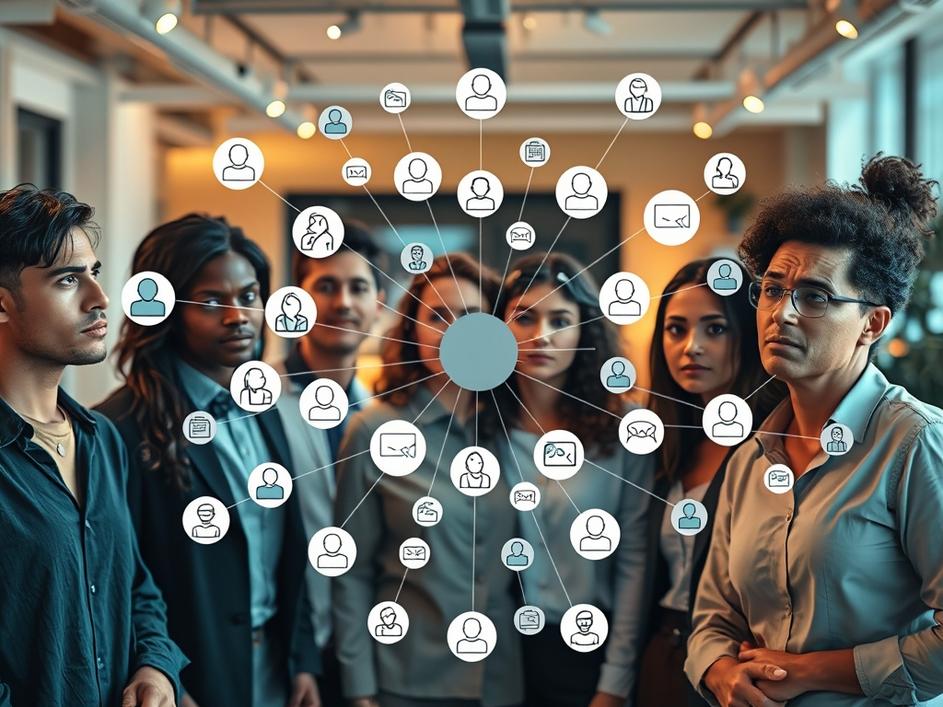
ToggleDoes this sound familiar? You start your workday, excited to tackle your tasks, but before you know it, your calendar is a patchwork quilt of back-to-back meetings. You leave these calls feeling like you’ve accomplished little, only to realize that the very people you just met with still haven’t delivered on crucial commitments. So, what happens next? More meetings, of course! We fall into this loop, thinking that if we just check in more often, things will get done. It’s a cycle that drains energy, slows down projects, and makes everyone feel like they’re just treading water instead of swimming forward. Many teams try to solve this by moving to ‘asynchronous’ work – using chat apps, project boards, and shared documents. But often, they find themselves right back in the same old rut. It leaves a lot of us scratching our heads, wondering why these fancy new tools aren’t making things better.
It’s natural to point fingers when something doesn’t work. When our asynchronous collaboration efforts stumble, our first instinct is often to blame the platform. ‘Slack is too noisy,’ ‘Our project management tool is too complicated,’ ‘Email just gets lost.’ We convince ourselves that if we just had the *right* software – a different chat app, a newer project board, a more intuitive wiki – all our problems would magically disappear. We spend countless hours researching, onboarding, and trying out new tools, hoping for that silver bullet. But here’s the kicker: the software itself is rarely the root cause. These tools are designed to facilitate communication, not dictate it. They are empty vessels waiting to be filled with our processes, our habits, and our intentions. If those underlying elements are messy, no amount of ‘game-changing’ tech will fix it. It’s like buying a brand new, expensive pen but still not being able to write a clear letter because you haven’t thought about what you want to say.
So, if it’s not the platform, what is it? Often, the issue lies in our approach to work and how we think about communication. Many teams dive into asynchronous work without actually defining what it means for *them*. We don’t set clear expectations for response times. We don’t establish guidelines for what kind of information belongs where. Decisions are made in quick, informal chats that get lost, instead of being documented clearly. There’s often a lack of trust – a feeling that if we don’t have a real-time conversation, things won’t get done right, or details will be missed. This leads to a constant need for verification, which then pulls everyone back into synchronous meetings. We try to be async, but our habits and our team culture still lean heavily on immediate, verbal confirmation. This tension creates frustration and makes the new tools feel like just another layer of complexity rather than a solution.
For asynchronous collaboration to truly succeed, we need to shift our focus from mere tools to our team’s culture and habits. It’s about building trust in written communication. This means being crystal clear in our messages. Every piece of asynchronous communication – a project update, a question, a decision – should be concise, complete, and actionable. It should answer the ‘who, what, when, where, why, and how’ without requiring a follow-up call. We need to empower team members to make decisions based on well-documented information, rather than waiting for a live huddle. This also means clearly defining roles and responsibilities within the asynchronous flow. Who is accountable for responding to this? By when? What’s the process if there’s a blocker? When teams know exactly what’s expected of them and their peers, they can work more independently and effectively, reducing the need for constant, real-time check-ins.
Leaders play a massive role in making this change happen. It’s not enough to just announce, ‘We’re going async now!’ Leaders need to model the behavior, clearly define the ‘why’ behind the shift, and set specific, actionable guidelines. This might involve creating team agreements on how quickly messages should be responded to in different channels, or establishing a clear process for making and documenting decisions outside of meetings. For instance, if a decision is made in a quick chat, the expectation should be that someone quickly summarizes and posts it to a designated channel for wider awareness. This kind of deliberate planning and clear communication transforms async tools from mere chatrooms into powerful engines for productivity. It frees up people’s time, letting them focus on deep work instead of chasing down scattered information.
Ultimately, making asynchronous collaboration work isn’t about finding the perfect app; it’s about perfecting our habits and expectations. It demands a thoughtful approach to how we communicate, how we make decisions, and how we build trust within our teams. When we intentionally design our processes to support asynchronous work, provide clear guidance, and empower our colleagues to communicate effectively without constant real-time interaction, we unlock a truly powerful way of working. It’s about less meeting noise and more meaningful output. It’s about giving everyone the space to do their best work, on their own terms, and still stay completely in sync. So, before you blame your chat app again, take a moment to look inward. The solution might just be in how you and your team choose to work together, not the tech you choose to work with.

Comments are closed