

We are a digital agency helping businesses develop immersive, engaging, and user-focused web, app, and software solutions.
2310 Mira Vista Ave
Montrose, CA 91020

2500+ reviews based on client feedback
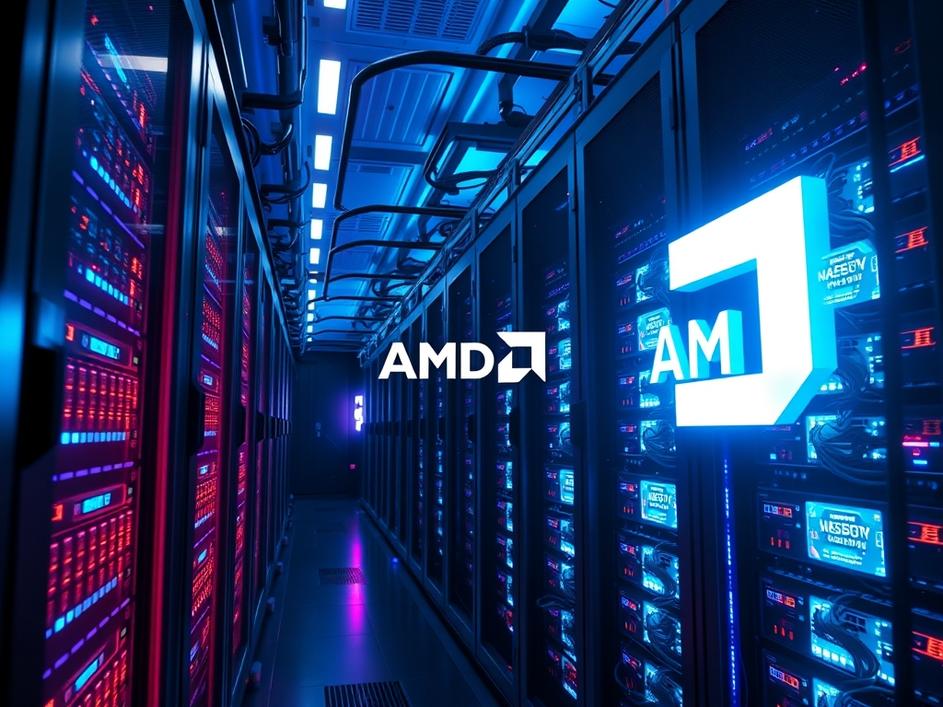
Imagine a tech giant confidently declaring a massive surge in one of its most critical business segments. That’s precisely what AMD has done, projecting an impressive 60% jump in its data center revenue over the next three to five years. This isn’t just a casual forecast; it’s a strong statement about where the company sees its future, and more broadly, where the entire digital world is headed. It paints a vivid picture of a world increasingly reliant on powerful computing, and AMD is positioning itself right at the heart of that transformation. This kind of growth isn’t accidental; it comes from strategic moves and a clear understanding of the market’s evolving needs. It signals a shift in the competitive landscape and highlights the crucial role that high-performance chips play in our daily lives, even if most of us don’t see them.
So, why are data centers becoming such a gold mine? Think about everything we do online: streaming movies, video calls for work, using smart assistants, scrolling through social media, or even relying on cloud-based software for business operations. Every single one of these actions, and countless others, requires immense computing power that lives in huge, specialized facilities known as data centers. These aren’t just big rooms full of computers; they are the central nervous system of the internet, processing, storing, and delivering information globally. As our reliance on digital services grows, so does the demand for these digital factories. From artificial intelligence and machine learning to the vast expansion of cloud computing, the need for faster, more efficient processors within these centers is exploding. AMD’s projection isn’t just about their chips; it’s a direct reflection of this insatiable global appetite for digital services and the underlying infrastructure that makes it all possible. It’s a trend that shows no signs of slowing down, making the data center market a prime battleground for tech companies.
AMD hasn’t just lucked into this position. They’ve been making smart moves for years, especially with their EPYC server processors. These chips have earned a reputation for offering strong performance and good value, catching the eye of major cloud providers and big businesses that need to power their complex operations. While Intel had a long-standing dominance in the server market, AMD has been steadily chipping away at that lead by delivering products that meet the growing demands for both raw power and energy efficiency. In a world where every watt of power and every inch of server rack space counts, AMD’s offerings have become increasingly attractive. Their focus on high core counts and advanced architecture has allowed them to compete fiercely, winning over key customers and building significant market share. This projected growth isn’t just a hopeful guess; it’s a direct result of these calculated product developments and successful market penetration strategies that have been unfolding over the past few years, setting them up for continued success.
This kind of growth from AMD isn’t just a win for their shareholders; it’s a seismic event for the entire semiconductor industry. For years, Intel held a near monopoly in the server processor space. AMD’s rise challenges that long-held dynamic, creating a much more competitive environment. This increased competition can actually be a good thing for everyone, pushing all players to innovate faster and offer better products at potentially more competitive prices. It also signals a shift in where the real money is being made in tech. While consumer PCs are important, the backbone of the digital economy lies in these high-performance data centers. Nvidia, another major player, is also heavily invested in the data center market, especially with its graphics processing units (GPUs) that are crucial for AI workloads. So, AMD’s projections mean the race to power the future of computing is hotter than ever, with major tech giants vying for every piece of the pie. It’s a fascinating time to watch these companies push the boundaries of what’s possible.
Even with such a bright outlook, the road ahead for AMD won’t be entirely smooth. The tech world moves incredibly fast. Keeping up with the rapid pace of innovation, managing complex global supply chains, and fending off fierce competition from established giants and nimble newcomers will be constant challenges. There’s also the ever-present need to adapt to new technological paradigms, like the continued explosion of specialized AI hardware and the demands for greener, more energy-efficient computing. However, these challenges also open doors to new opportunities. The global demand for computing power isn’t going anywhere; in fact, it’s only set to intensify. If AMD can continue to innovate, adapt, and execute on its strategy, it stands to benefit enormously from this ongoing digital transformation. The company’s ability to anticipate future needs and deliver cutting-edge solutions will determine just how high that 60% jump can truly go and for how long they can sustain that momentum.
AMD’s prediction of a significant revenue increase in its data center business is far more than just a financial forecast; it’s a testament to the surging demand for robust computing infrastructure that underpins our entire modern world. From the simple act of checking email to the complex algorithms driving scientific discovery, powerful data centers are the unseen heroes. AMD’s strategic investments and innovative chip designs have clearly paid off, positioning them as a critical player in this high-stakes game. This journey highlights not only their engineering prowess but also their foresight in anticipating market needs. As we move further into a data-driven future, the companies that can best power these digital engines will ultimately shape our technological landscape. AMD is not just riding this wave; they’re actively helping to steer it, making their projected growth a compelling indicator of future digital progress and the foundational role their technology will play in it.



Comments are closed