

We are a digital agency helping businesses develop immersive, engaging, and user-focused web, app, and software solutions.
2310 Mira Vista Ave
Montrose, CA 91020

2500+ reviews based on client feedback
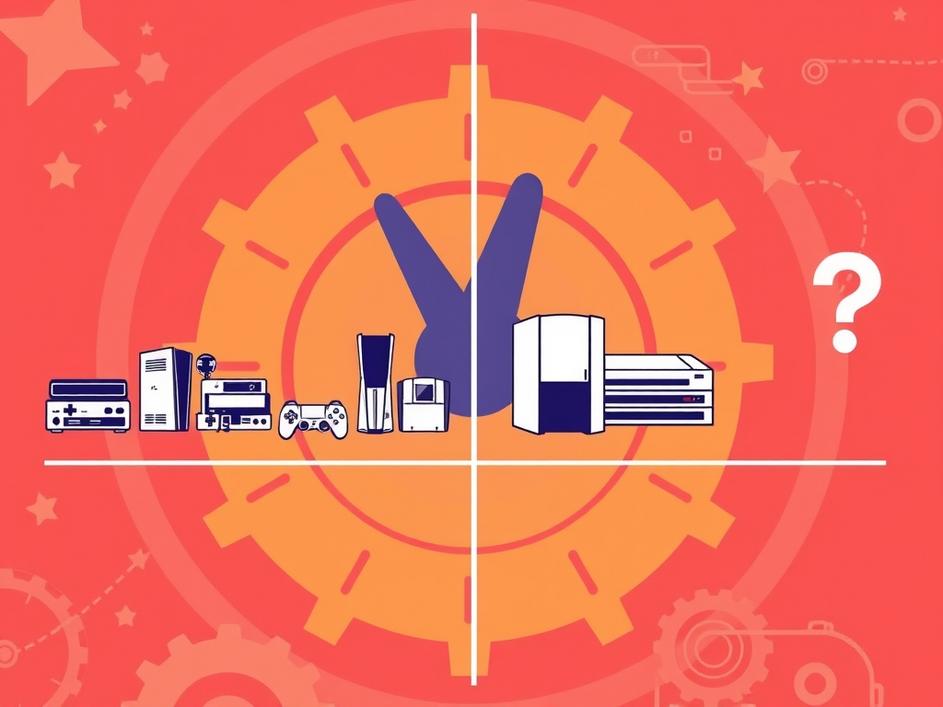
It feels like forever ago, but there was a time when you could almost set your watch to new game console releases. Every five years, boom! A shiny new PlayStation or Xbox would hit the shelves, promising a huge jump in graphics and gameplay. We’d all gather around, read the reviews, and dream of what could be. Think back to the PlayStation 1, 2, 3, 4 – they mostly followed that kind of beat. So, if we’re used to this rhythm, why does it feel like the music has stopped? Why are we still waiting for any real buzz about a PlayStation 6, especially when the PS5 has been out for a while now? It’s a question many gamers are asking, and the answer isn’t as simple as just “they’re taking their time.” The whole way consoles are made and sold seems to be changing, and that means our expectations for the next big machine need to change too.
Back in the day, the gaming world had a pretty clear heartbeat. You’d get a new console, enjoy it for about five years, and then get ready for the next one. This pattern was comforting. It gave developers a clear target for their games, and it gave us players something concrete to look forward to. Each generation brought something truly fresh – 3D graphics, online multiplayer as a standard, high-definition visuals. The leap from a PS1 to a PS2, or a PS2 to a PS3, felt monumental. You could visibly see and feel the difference, which made those upgrade cycles exciting and easy to justify. It felt like a natural progression, a steady climb up the technology ladder. This predictability helped build hype and set a rhythm for the entire industry. But like a favorite old song, that rhythm is now changing its tune.
One of the biggest reasons for the stretched-out console cycles is simply how technology works now. Think about it: going from blocky pixels to smooth 3D graphics was a massive jump. But what about the jump from really good 4K graphics to, well, even better 4K graphics? The gains aren’t as dramatic as they used to be. Processors are still getting faster, and graphics chips are still improving, but the “wow” factor isn’t always there in the same way. It costs a fortune to design and build these cutting-edge components, and if the improvements aren’t easily visible to the average player, then why rush it? It becomes harder to convince people to shell out hundreds of dollars for a new machine if the games look only a tiny bit better than before. We’re reaching a point where visual realism is so high that the next step might be more subtle, focusing on things like faster loading or more complex game worlds, rather than just raw graphical power. This makes the traditional “big leap” approach much trickier to pull off every few years.
Instead of full new consoles every five years, we’ve seen a different trend emerge: the “mid-gen refresh.” Companies like Sony introduced the PlayStation 4 Pro, and there are strong rumors about a PlayStation 5 Pro. These aren’t entirely new consoles, but souped-up versions of the current ones. They offer a bit more power, maybe better frame rates, or some nicer visual touches for those with fancy TVs. My take on this is that it’s a clever way for console makers to extend the life of a generation without needing to design a whole new system from scratch. It lets them capture some of the eager early adopters who want the very best, while still keeping the original console relevant for years longer. For us players, it means we don’t have to upgrade constantly to enjoy the latest games, but the option is there if we want a slight boost. This kind of staggered release helps bridge the gap between major console generations, pushing the need for a truly new machine further down the road. It’s a smart business move, even if it feels a little different than the old days.
The focus for console makers has shifted quite a bit. It’s not just about selling a powerful box anymore; it’s also about keeping you hooked into their ecosystem. Think about PlayStation Plus, Game Pass, and the push for digital game sales. These services offer recurring revenue, which is super important for companies. If you’re subscribed to a service, or you’ve built up a big digital library on your PS5, you’re less likely to jump ship to another platform. This means the hardware itself becomes more of a gateway to these services and a long-term commitment. So, instead of pouring all their resources into developing a brand-new console every few years, they might be spending more time and money on making their current platform and its services more appealing. They want to make sure the games keep coming, the online experience is smooth, and there are plenty of reasons to stay within their world. A new console generation is a massive undertaking, and if the money can be made by keeping current users happy, that’s a very attractive option.
Let’s be real, making a new console is incredibly expensive. We’re talking about billions of dollars in research, development, manufacturing, and marketing. With inflation and the increasing complexity of technology, those costs only go up. Plus, in today’s global economy, people are more careful with their money. A new console typically launches at around $500, and sometimes even more. That’s a significant investment for many households, especially when living costs are high. Console makers need to be sure there’s enough demand to justify such a huge spend. If a new console doesn’t offer a truly compelling reason to upgrade, sales might be slow, and that’s a risk they simply can’t afford. It makes sense for them to stretch out the current generation, let the manufacturing costs come down, and give consumers more time to save up and feel ready for the next big purchase. It’s a calculated financial decision that impacts everyone.
So, while many of us might miss the old five-year console cycle, it’s pretty clear those days are behind us. The gaming landscape has changed dramatically. We have powerful current-gen consoles that still have a lot of life left, thanks to impressive tech and clever mid-generation upgrades. The focus has moved from just raw hardware power to a more holistic experience that includes robust online services and a massive library of digital games. And let’s not forget the sheer cost and effort involved in creating a whole new machine. So, instead of constantly looking ahead for the PlayStation 6, maybe we should appreciate the games and experiences we have now. When the next big leap does arrive, it will likely be because the technology, the market, and the finances all line up perfectly for a truly groundbreaking step. Until then, there’s plenty of gaming to do on the consoles we already have.


Comments are closed