

We are a digital agency helping businesses develop immersive, engaging, and user-focused web, app, and software solutions.
2310 Mira Vista Ave
Montrose, CA 91020

2500+ reviews based on client feedback
What's Included?
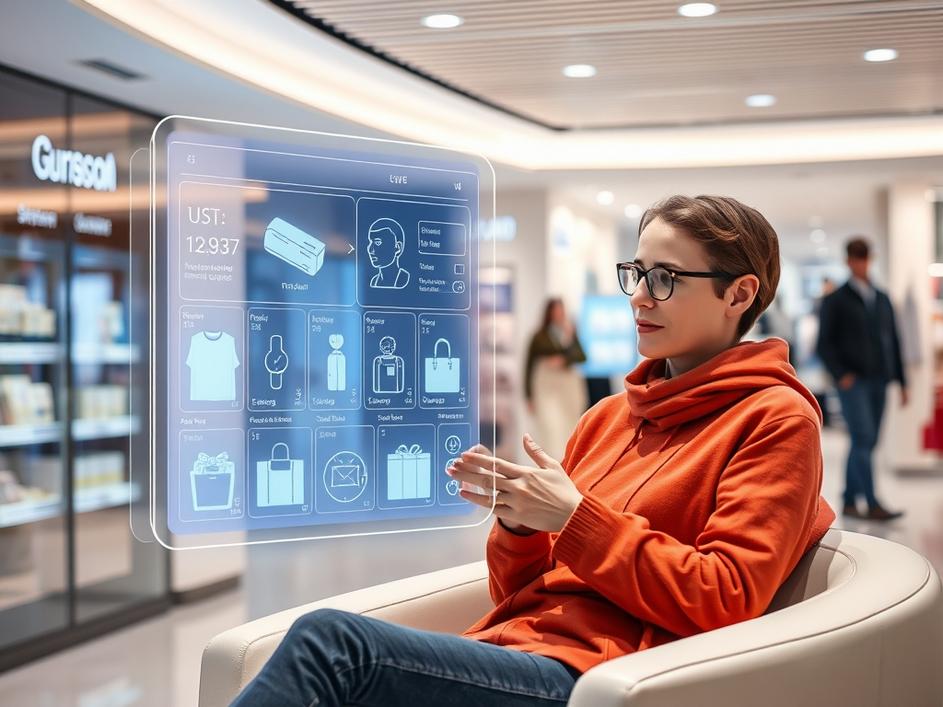
ToggleImagine a world where your refrigerator automatically orders milk when it’s low, or your closet suggests and buys a new shirt for an upcoming event, perfectly matching your style and budget. This isn’t just science fiction anymore. We’re talking about “agentic AI” – smart systems that don’t just help you look things up, but actually take action and make purchases on your behalf. It sounds incredibly convenient, right? But like any big change, it comes with a mix of excitement and a healthy dose of caution. A recent report from Bain & Company really shines a light on this, showing us that while a good chunk of people are already using AI for shopping help, about half of us are still a bit wary of letting these smart systems fully take over our spending.
It might feel like a huge leap to let an AI buy things for you, but the truth is, many of us are already leaning on artificial intelligence in our shopping journeys. Think about it: when you ask a chatbot for product ideas, compare prices online using a smart tool, or get personalized recommendations based on your past purchases, you’re interacting with AI. The Bain & Company survey found that a significant portion of US consumers – between 30% and 45% – are regularly using generative AI simply to research products or compare different options. We do this because it saves us time. It cuts through the endless options and helps us make sense of too much information. This shows a growing comfort level with AI as a helpful assistant, guiding us through the early stages of our shopping decisions. It’s a natural first step on the path to more autonomous shopping experiences, building a foundation of familiarity, if not yet full trust.
Here’s where things get interesting, and a little more complex. “Agentic AI” goes beyond just giving you information; it acts. This means the AI would directly complete a purchase, from adding items to a cart to processing the payment. While the idea of a smart assistant handling mundane tasks like restocking pantry staples sounds great, it also brings up some big questions. The Bain report highlights that about 50% of consumers feel cautious about fully autonomous purchases. Why the hesitation? Well, it’s a big jump from asking an AI for advice to letting it spend your money. People naturally worry about losing control. What if the AI buys the wrong brand, or an item you didn’t truly want? What about privacy concerns, and who holds the responsibility if something goes wrong? There’s a deep-seated need for transparency and a clear understanding of how these decisions are made. It’s about trusting a machine with your choices and your wallet, and that kind of trust doesn’t just appear overnight; it has to be carefully earned.
For retailers, this shift towards agentic AI presents both a massive opportunity and a significant challenge. It’s not enough to simply offer this new technology. They have to understand and address the cautious side of consumers. This means building systems that are not only efficient but also trustworthy and transparent. Retailers will need to clearly show customers how the AI makes its decisions, offer easy ways to review and approve purchases, and provide strong safeguards for data privacy and security. Think about customizable settings: maybe I only want my AI to handle recurring household items, or perhaps I want an approval step for any purchase over a certain dollar amount. The key is to make these AI assistants feel like genuine, helpful partners, not just automated order-takers. Businesses that prioritize consumer control, provide clear communication, and demonstrate tangible benefits – like finding better deals or saving significant time – will be the ones that succeed in getting people to embrace this new way of shopping.
Even as AI gets smarter and more capable, the human desire for choice, discovery, and personal connection in shopping won’t disappear. Agentic AI is likely to find its sweet spot in managing the more routine, low-engagement purchases – think restocking essentials or finding the best price on a specific item. But for things like fashion, hobbies, or unique gifts, many people will still want to browse, touch, compare, and make those decisions themselves. The enjoyment of discovering a new product, the experience of trying something on, or the satisfaction of making a thoughtful choice often goes beyond mere convenience. So, while AI can certainly make our lives easier by handling the transactional side of shopping, the emotional and experiential aspects will likely remain firmly in human hands. It’s about finding a harmonious blend where technology supports our lives without diminishing our personal agency or the joy of the shopping experience itself.
The future of retail is clearly heading into new territory with agentic AI leading the charge. It’s an exciting prospect, promising more convenience and personalized experiences for consumers who are willing to embrace it. But it’s also a journey that requires careful navigation. The data from Bain & Company shows us a clear split: while many are curious and already experimenting, a significant number of people remain hesitant about fully handing over their purchasing power. For businesses, this means the focus can’t just be on the technology itself, but on building confidence and proving real value to consumers. It’s about designing AI systems that are not only smart and efficient but also transparent, secure, and ultimately, user-friendly. The most successful implementations will be those that empower people, giving them the option to delegate tasks without feeling like they’ve lost control. The balance between automated convenience and personal choice will define how we shop in the years to come, shaping a retail landscape where smart tech works in harmony with human preferences.



Comments are closed