Shifting Paradigms
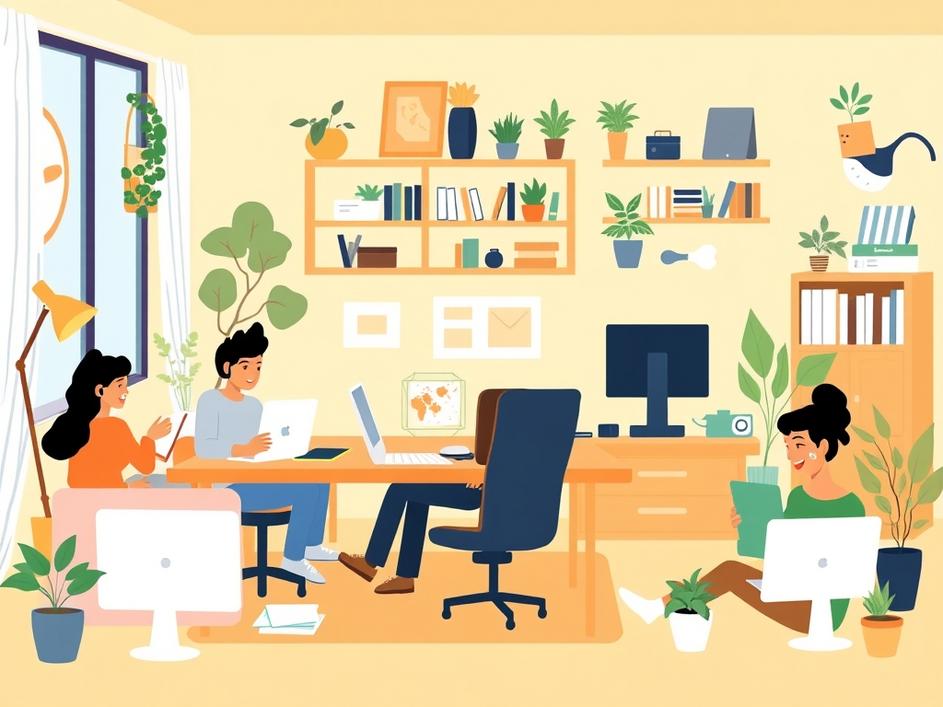
The way we work has changed dramatically in recent years. The pandemic acted like a catalyst, pushing many companies to adopt remote work policies almost overnight. Today, millions have embraced the flexibility of working from home, and this shift shows no signs of slowing down. As businesses learn to navigate this new landscape, it’s important to consider what these changes mean for both employers and employees.
Benefits of Remote Work
Many employees have found that remote work offers a better work-life balance. Commutes are gone, meaning time once spent in traffic can now be used for family, exercise, or personal projects. In addition, companies typically see reduced overhead costs. They save on rent and utilities, which often allows them to invest more in employee benefits or technology. This arrangement can be beneficial for everyone involved, fostering a culture of trust and flexibility.
Challenges on the Horizon
Despite the clear advantages, remote work isn’t without its hurdles. Communication can suffer when teams aren’t in the same location. The casual conversations that often spark creativity in an office setting can be hard to replicate online. Moreover, some employees struggle with isolation and maintaining boundaries between work and personal life. A consistent work-from-home situation requires strong self-discipline, which can be a challenge for many.
Cultural Shifts
The transition to remote work is also reshaping workplace culture. Companies must rethink how they engage their employees at a distance. Team outings, brainstorming sessions, and casual Friday chats have to evolve into virtual formats. Organizations are looking at new ways to build camaraderie and ensure employees feel part of a team, even when they are physically apart. The effectiveness of these efforts will likely define future workplace dynamics.
The Future of Work
As we consider the future, it seems remote work is here to stay, at least in some form. Hybrid models are becoming popular, allowing employees to split their time between home and the office. Flexibility may become the new standard, helping to attract talent in a competitive job market. The key will be finding the right balance that maximizes productivity while also fostering a positive work environment.





Comments are closed