

We are a digital agency helping businesses develop immersive, engaging, and user-focused web, app, and software solutions.
2310 Mira Vista Ave
Montrose, CA 91020

2500+ reviews based on client feedback
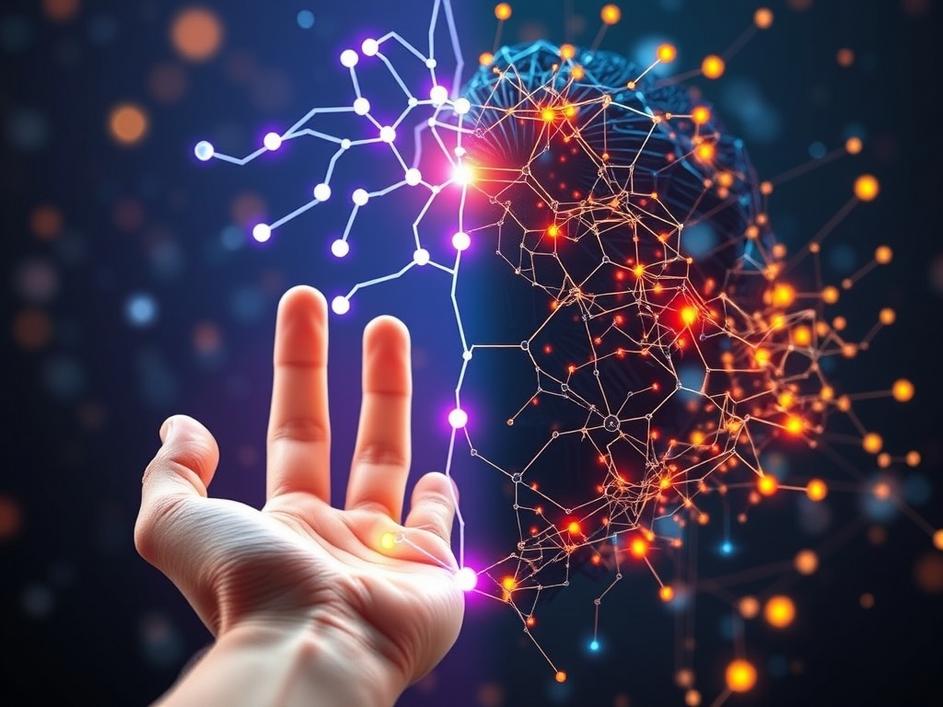
Everywhere we look these days, AI is doing something new. It helps us with our phones, suggests what movies to watch, and even writes pretty decent text. It feels like every conversation eventually gets around to artificial intelligence, and it makes sense why. This isn’t just another gadget; it’s something that changes how we live, work, and even think. But there’s a big question hanging over all of it: will AI ultimately make us better people, or will it slowly pull us down? This isn’t just about what AI can *do*, but what it does *to us*. It’s a conversation that smart people in places like Stanford are having, and it’s one we all need to be part of, right here and now, because the future isn’t just happening to us – we’re building it.
Let’s start with the good stuff, because there’s a lot of it. AI has this incredible power to make things faster and more accurate than we ever thought possible. Think about medicine: AI can spot tiny problems in X-rays that doctors might miss, helping people get treated earlier. It can speed up finding new medicines, which means less suffering and longer, healthier lives for millions. In science, AI can process mountains of data, helping researchers find patterns and make discoveries much quicker. Education can get a boost too. Imagine learning programs that perfectly adapt to how *you* learn, helping you understand tough subjects better and faster. For regular folks, AI takes care of boring, repetitive tasks, freeing us up to do more creative and meaningful work. So, in many ways, AI really can make us better by giving us tools to solve huge problems, live healthier, and learn more effectively.
But with all that good, there’s a real shadow side we need to talk about. The worry isn’t just that robots will take all our jobs, though that’s a big one for many. It’s also about what happens to *us* when we rely too much on machines. If AI always tells us what to do, do we stop thinking critically? If it writes our emails and summaries, do our own communication skills get rusty? There are also big concerns about fairness. AI learns from data, and if that data has human biases, the AI can end up being unfair to certain groups of people, which makes existing problems worse. Then there’s privacy. AI needs a lot of information to work well, and giving up too much of our personal data can feel risky, opening doors for misuse or manipulation. And let’s not forget the potential for really tricky things like deepfakes and misinformation, where it becomes super hard to tell what’s real and what’s not. These things can make society less trusting and more divided.
This whole AI thing really pushes us to think about what makes us human. If machines can do so many tasks, from writing to driving, what’s left for us? Some say it will force us to focus on our unique human strengths: creativity, empathy, complex problem-solving that requires intuition, and building deep relationships. Maybe AI can help us get rid of the boring stuff so we can focus on being more human. But there’s also the risk that we become less connected. If we’re always interacting with AI assistants, do our real-life social skills suffer? Will our patience for imperfect human interaction wear thin? It’s a tough balancing act. We want the convenience and power of AI, but we also need to protect and nurture the parts of ourselves that make us truly unique and allow us to connect with each other in meaningful ways. This isn’t just about making things efficient; it’s about preserving our humanity.
So, will AI make us better or worse? The truth is, it’s not a simple yes or no. It’s more like, AI *can* make us better, but it also *can* make us worse. The direction it goes depends entirely on us. It’s about the choices we make today and in the coming years. We need to actively decide how we want AI to fit into our lives and society. This means making sure that the people who build AI think about ethics and fairness from the very beginning. It means educating ourselves, so we understand what AI is and isn’t, and how to use it wisely. And it means having open, honest conversations, not just among tech experts, but with everyone. We need clear rules and laws that guide AI development and use. We can’t just let it happen to us; we have to steer it. The future isn’t predetermined; it’s something we create together, one decision at a time.
Ultimately, AI is a tool, a very powerful one, but still a tool. Like any tool, it can be used to build amazing things or to cause harm. Whether it pushes humanity towards a better, brighter future or drags us into complex problems depends on our collective wisdom, our moral compass, and our willingness to engage with its development and integration. We have the chance right now to shape this incredible technology so it truly serves humanity, enhancing our lives, our knowledge, and our connections, rather than diminishing them. It’s a huge responsibility, but also an exciting opportunity to define what a better future looks like, with AI as our partner, not our master. The conversation isn’t over; in many ways, it’s just beginning, and every one of us has a voice in it.


Comments are closed