

We are a digital agency helping businesses develop immersive, engaging, and user-focused web, app, and software solutions.
2310 Mira Vista Ave
Montrose, CA 91020

2500+ reviews based on client feedback
What's Included?
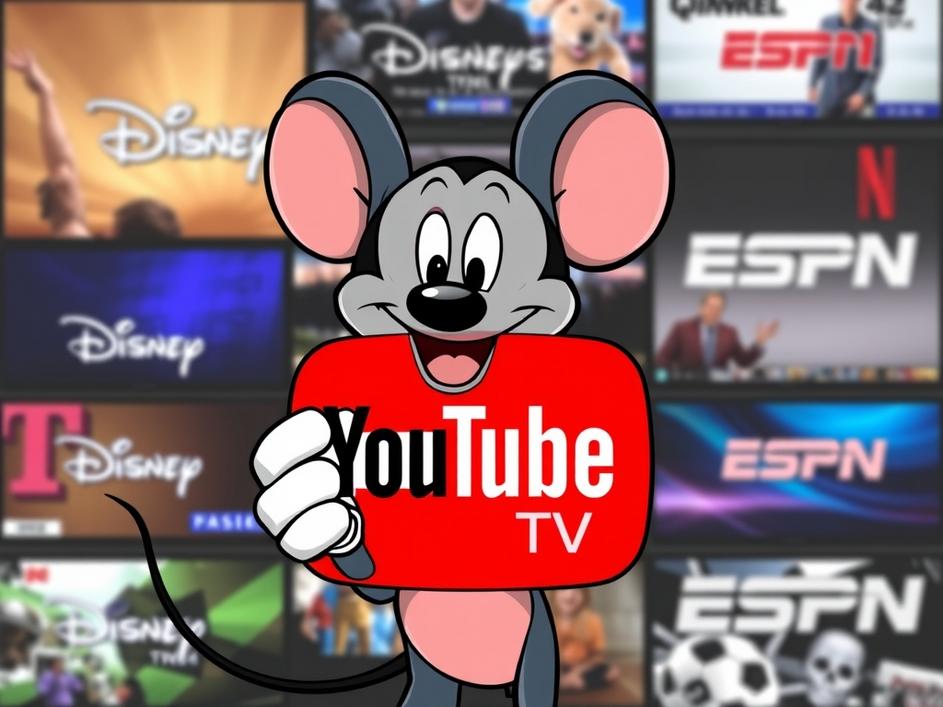
ToggleWell, folks, the streaming wars continue, but thankfully, one battle has come to a close. YouTube TV and Disney have finally reached a multi-year agreement, bringing back ABC, ESPN, and other Disney-owned networks to the platform. For about two weeks, subscribers were without these channels, leading to frustration and, likely, a few canceled subscriptions. But now, the House of Mouse is back in the YouTube TV house. It’s a win for consumers, a win for Disney, and a win for YouTube TV…or is it?
The dispute stemmed from disagreements over contract terms and carriage fees. Disney, of course, wanted more money for its content, and YouTube TV, naturally, wanted to keep costs down for its subscribers. When negotiations stalled, Disney pulled its channels, leaving a gaping hole in YouTube TV’s lineup. This isn’t the first time this has happened in the world of streaming; it’s a recurring drama as media giants jostle for position and revenue. These retransmission consent battles are becoming increasingly common, highlighting the evolving landscape of television consumption.
While the return of Disney-owned channels is undoubtedly good news for YouTube TV subscribers, it’s crucial to consider the long-term implications. These deals always come at a price. While the specific financial terms haven’t been publicly disclosed, it’s highly probable that YouTube TV will be paying Disney more for its content. And guess who ultimately foots the bill? That’s right, the subscribers. A price hike could be on the horizon, or perhaps YouTube TV will absorb the cost, potentially impacting other areas of its service. Either way, consumers should be prepared for potential changes.
The impact of this deal extends beyond just access to live sports and sitcom reruns. Disney’s portfolio includes a wide range of channels catering to diverse interests, from news and entertainment to children’s programming. The absence of these channels not only limited viewing options but also affected families with young children who rely on Disney Channel and Disney Junior. The return of these networks restores a sense of normalcy for many households and alleviates the pressure on parents to find alternative entertainment sources. For sports fans, the return of ESPN and ABC sports programming is critical. With college football playoffs and the NBA season in full swing, missing these channels was a major inconvenience. Now, subscribers can breathe a sigh of relief and catch their favorite games without interruption.
This resolution, while welcome, doesn’t signal an end to the streaming wars. These kinds of disputes are likely to become more frequent as media companies continue to consolidate and negotiate for dominance in the market. Consumers are caught in the middle, forced to navigate a fragmented landscape of streaming services, each with its own set of content and pricing structures. The question is, how much are consumers willing to pay for access to their favorite shows and channels? As the cost of streaming continues to rise, more people may start cutting the cord altogether, seeking out alternative, often less-than-legal, means of accessing content.
Speaking of cutting the cord, this whole situation highlights the complexities of the cord-cutting revolution. People ditched traditional cable hoping for cheaper, more flexible options. And streaming services *were* cheaper for a while. But as more companies launch their own platforms and demand higher fees for their content, the savings are dwindling. Suddenly, subscribing to multiple streaming services can end up costing just as much, if not more, than a traditional cable package. The dream of affordable, à la carte television is slowly fading, replaced by a new era of bundled streaming packages and content silos.
YouTube TV subscribers who stuck it out during the blackout are likely breathing a collective sigh of relief. But this incident serves as a reminder that streaming services are not immune to disruptions. Content can disappear at any time, depending on the outcome of these behind-the-scenes negotiations. This uncertainty can be frustrating for subscribers who rely on these services for their daily entertainment. The question now is whether this incident will lead some subscribers to reconsider their options and explore alternative streaming platforms or even return to traditional cable. The competition for viewers is fierce, and every disruption provides an opportunity for rival services to swoop in and snatch away subscribers.
Ultimately, the deal between YouTube TV and Disney is a temporary reprieve in the ongoing streaming wars. While it provides stability for the next few years, it’s unlikely to be the last time these companies clash over content and pricing. The landscape of media consumption is constantly evolving, and consumers must be prepared for continued disruptions and price fluctuations. The best strategy is to remain informed, evaluate your viewing habits, and choose the services that best meet your needs and budget. And be ready to switch if a better deal comes along.
In the end, the agreement between YouTube TV and Disney proves that even the most powerful corporations need each other to thrive in the streaming ecosystem. Disney needs the reach of YouTube TV to distribute its content to a wide audience, and YouTube TV needs Disney’s popular channels to attract and retain subscribers. It’s a symbiotic relationship, albeit one that is often fraught with tension. For now, the show goes on, the games are broadcast, and families can once again enjoy their favorite Disney movies. But the streaming wars are far from over, and the next battle is likely just around the corner.


Comments are closed