

We are a digital agency helping businesses develop immersive, engaging, and user-focused web, app, and software solutions.
2310 Mira Vista Ave
Montrose, CA 91020

2500+ reviews based on client feedback
What's Included?
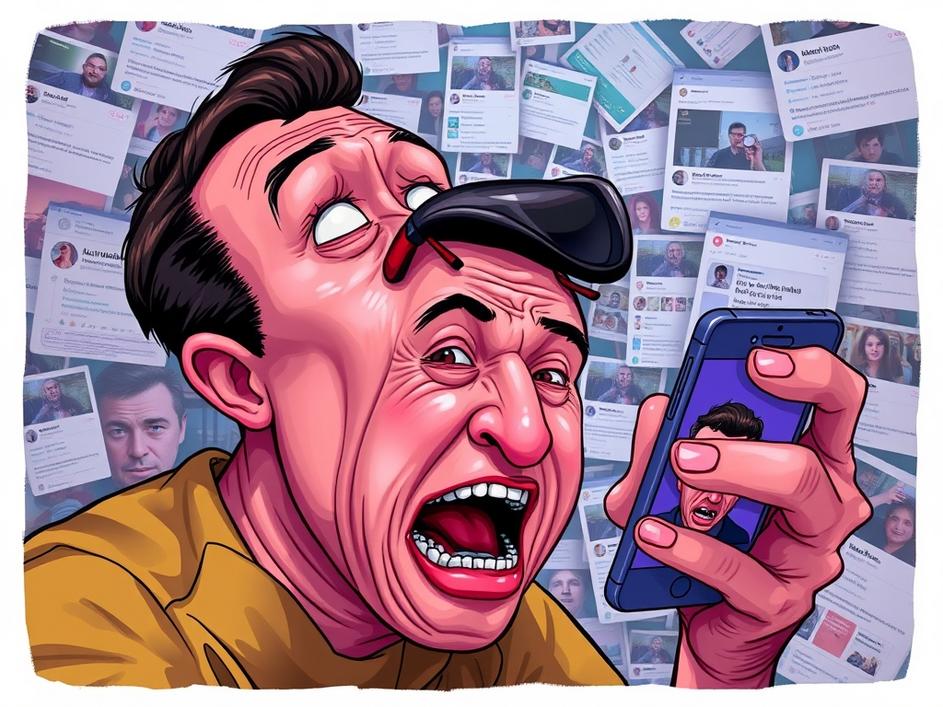
ToggleSo, I stumbled upon something online that I just had to share, even though it’s the kind of thing you wish you could unsee. It involves Elon Musk. Yes, *that* Elon Musk. And no, it’s not about rockets, cars, or whatever new social media venture he’s cooked up. It’s something far more… visceral. Think of it as a jump scare, but instead of a masked maniac, it’s the unsettling reality of a billionaire’s existence intruding into your otherwise peaceful doomscroll.
We’re used to seeing Musk in the news, right? Headlines about his companies, his pronouncements, his, let’s say, *unique* approach to public discourse. But this was different. This was a glimpse behind the curtain, a peek into the uncanny valley where the hyper-rich exist. It wasn’t about policy or innovation; it was about the sheer, unfiltered… presence of the man. And honestly, it was deeply unsettling. It was shared as a form of commiseration, a digital scream into the void hoping someone else felt the same shudder.
What *is* it about seeing the super-rich in unguarded moments that feels so wrong? Maybe it’s the jarring contrast between their carefully constructed public image and the messy reality of being a person, even a very wealthy one. Maybe it’s the reminder of the immense power they wield, a power that shapes our world in ways we often don’t fully grasp. Or maybe, just maybe, it’s the dawning realization that even with all the money in the world, they’re still just… human. And that’s a terrifying thought.
We live in a world saturated with celebrity culture, where we feel like we *know* people we’ve never met. Social media blurs the lines between public and private, creating a parasocial relationship where we invest our time and emotional energy into figures who are, ultimately, strangers. And when those figures are as polarizing as Elon Musk, that investment can turn toxic pretty quickly. The ‘jump scare’ wasn’t just about seeing him; it was about the realization of how much space he occupies in our collective consciousness, whether we want him to or not.
So, what’s the solution? How do we inoculate ourselves against these unwanted intrusions into our mental space? Maybe it’s time for a digital detox. Maybe it’s time to be more mindful about who and what we allow to occupy our attention. Or maybe, just maybe, it’s time to start focusing on the things that truly matter: our families, our communities, our own well-being. The internet offers endless distraction, but what is the value of those distractions if they only serve to create anxiety and unease? I propose we collectively decide to drastically downsize Elon Musk’s free space in our heads.
Ultimately, the Elon Musk jump scare serves as a potent reminder: we are in charge of our own narratives. We get to decide what deserves our attention, what gets to occupy our thoughts, and what simply fades into the background noise. The world is full of fascinating, inspiring, and meaningful stories just waiting to be discovered. Let’s make a conscious effort to seek them out, to amplify voices that deserve to be heard, and to reclaim our mental space from the billionaires and the bots. Let’s focus on the real, tangible things that make life worth living, and let the Muskian drama play out on a distant, unreachable stage. He may be building rockets, but we’re building our own lives, one intentional choice at a time.
And let’s not forget the power of humor. Sometimes, the best way to deal with the unsettling is to laugh at it. To find the absurdity in the situation and to share that laughter with others. After all, what’s more human than finding a way to cope with the bizarre realities of modern life? So, let’s laugh at the Elon Musk jump scare, acknowledge the discomfort, and then move on. There are far more interesting things to think about, to create, and to experience. And most of them don’t involve billionaires.
In the end, this whole experience underscores the importance of curating our online environment. We have the power to filter what we see, to block what we don’t want to see, and to create a digital space that is both informative and uplifting. It’s a constant process of refinement, of adjusting our filters and recalibrating our attention. But it’s a process that is well worth the effort. Because in a world saturated with information and noise, the ability to control our own online experience is a superpower. Use it wisely.



Comments are closed