

We are a digital agency helping businesses develop immersive, engaging, and user-focused web, app, and software solutions.
2310 Mira Vista Ave
Montrose, CA 91020

2500+ reviews based on client feedback
What's Included?
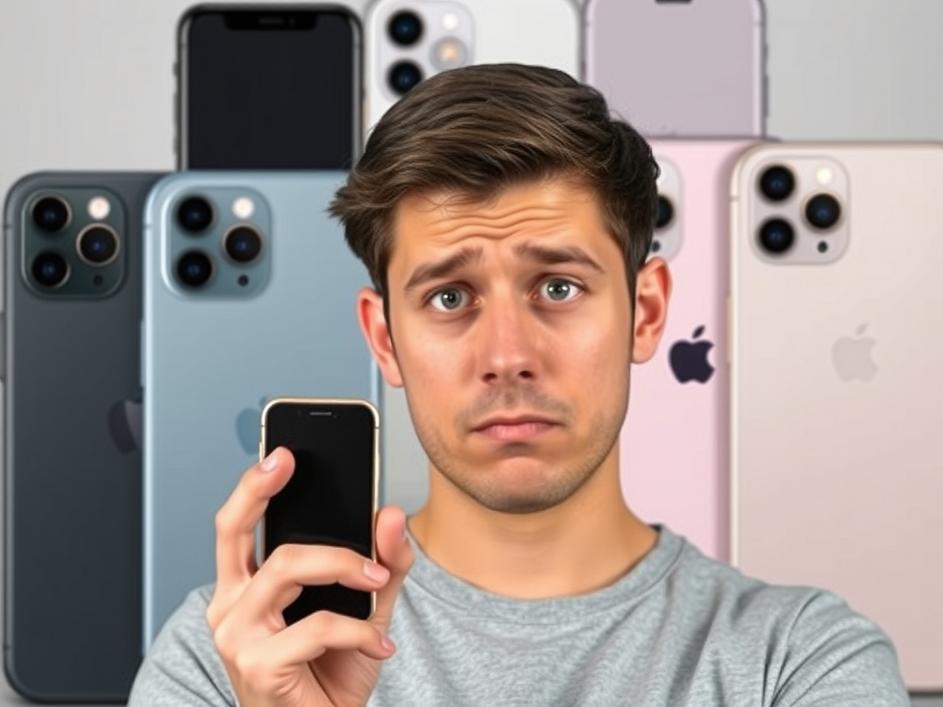
ToggleRumors have swirled for months, and now it’s finally here: the iPhone Pocket. Apple, a company renowned for its sleek designs and innovative technology, has unveiled its latest product. But initial reactions are mixed, to say the least. Is the iPhone Pocket a stroke of genius that we just don’t understand yet, or is it a rare misstep from a company that usually gets it right? It’s hard to say definitively right now, but this is what’s known so far.
So, what exactly is the iPhone Pocket? In short, it’s a smaller, simplified version of the iPhone. Think of it as an iPhone stripped down to its most basic functions. It makes calls, sends texts, and… well, that’s about it. It doesn’t have access to the App Store, doesn’t offer internet browsing, and lacks the advanced camera capabilities of its flagship sibling. The idea, according to Apple, is to provide a distraction-free communication device for those who want to disconnect from the digital noise.
There’s definitely a segment of the population that craves simplicity. In a world dominated by constant notifications, endless scrolling, and the pressure to always be connected, the idea of a phone that just makes calls and sends texts has a certain appeal. It’s a minimalist approach to technology, a digital detox in your pocket. Maybe Apple is on to something here. Maybe people are tired of being bombarded with information and just want a tool for basic communication.
But here’s where things get tricky. While the concept of a simpler phone is appealing, the iPhone Pocket seems to miss the mark in several key areas. First, there’s the price. Despite its limited functionality, the iPhone Pocket is priced surprisingly close to the standard iPhone. This raises the question: why would someone pay almost the same amount for a device that does so much less? Second, the lack of essential features like maps or even a basic camera feels like a step too far. Even those seeking a simpler phone still need certain conveniences in today’s world. Imagine being stuck in a new city without access to maps or needing to quickly snap a photo of an important document. The iPhone Pocket simply doesn’t offer these basic capabilities.
Then there’s the design. While Apple is known for its elegant aesthetics, the iPhone Pocket looks somewhat…clunky. Its small size is offset by a rather thick profile, making it less pocketable than one might expect. The screen, while clear and bright, feels cramped, especially for those accustomed to the expansive displays of modern smartphones. It’s as if Apple tried to shrink an iPhone without fully considering the ergonomic implications.
The biggest question surrounding the iPhone Pocket is: who is this phone actually for? It’s not for tech enthusiasts, who crave the latest features and capabilities. It’s not for budget-conscious consumers, who can find more versatile smartphones for a similar price. And it’s not even clear if it’s for those seeking a simpler phone, as the lack of essential features makes it impractical for many everyday situations. Apple seems to be targeting a niche market that may simply not exist. Or perhaps they are trying to *create* a niche market, banking on the power of their brand to convince people that they need a simpler phone, even if they don’t.
There’s also the risk of brand dilution. Apple has built its reputation on innovation, quality, and cutting-edge technology. The iPhone Pocket, with its limited functionality and somewhat awkward design, could tarnish that image. It could send the message that Apple is willing to compromise on quality in order to chase fleeting trends or cater to niche markets. This is a dangerous game for a company that has always prided itself on being at the forefront of technology.
Only time will tell if the iPhone Pocket is a bold experiment that pays off or a costly mistake that Apple will soon regret. The concept of a simpler phone is certainly intriguing, and there’s no doubt that some people will find value in a distraction-free communication device. However, the iPhone Pocket’s high price, limited functionality, and somewhat clunky design make it a hard sell. It remains to be seen whether Apple can convince consumers that they need a phone that does so little, especially when they can get so much more for a similar price. The Pocket might just be an answer to a question nobody was asking. This is a rare swing and a miss from a company that almost always knocks it out of the park.


Comments are closed