

We are a digital agency helping businesses develop immersive, engaging, and user-focused web, app, and software solutions.
2310 Mira Vista Ave
Montrose, CA 91020

2500+ reviews based on client feedback
What's Included?
ToggleFor months, maybe even years now, we’ve been bombarded with narratives of AI taking over. The robots are coming for our jobs! White-collar workers are trembling! Every other news article seems to paint a picture of mass unemployment thanks to these algorithms. But what if that’s not the whole story? What if, instead of fearing the rise of AI, we should be looking at who’s best positioned to actually benefit from it?
Anand Mahindra, the chairman of the Mahindra Group, recently offered a really interesting perspective. He suggested that the real “AI-era winners” won’t be the ones writing the code, but the ones who can actually *build* things with it. This isn’t just about understanding algorithms; it’s about applying them to the real world, to solve tangible problems, and to create innovative solutions.
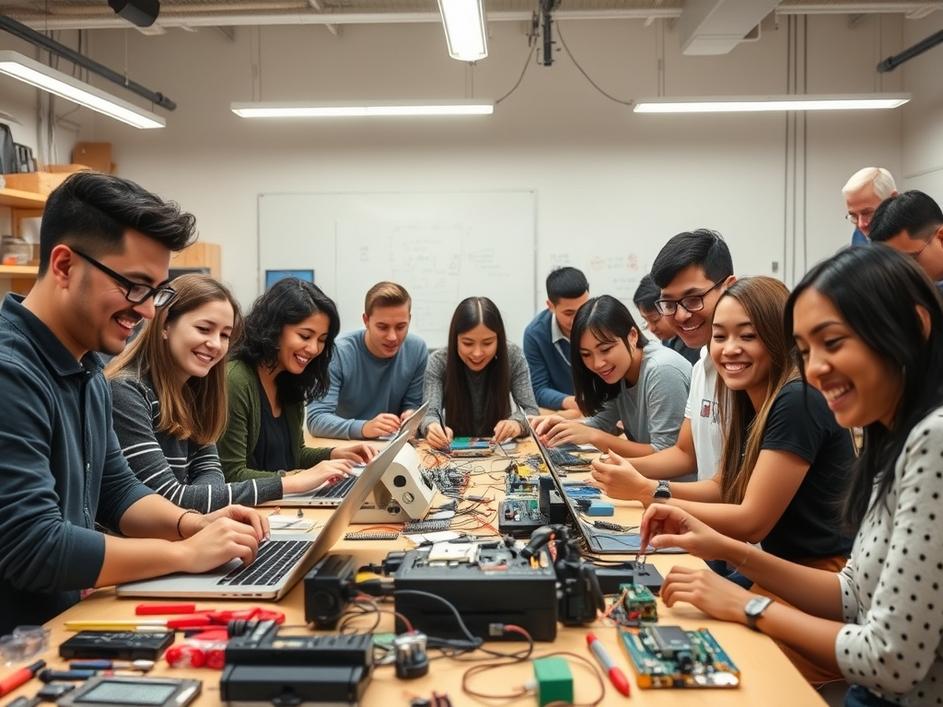
Think about it. AI is a tool, a powerful one, sure, but still just a tool. A hammer doesn’t build a house; a carpenter does. Similarly, AI algorithms won’t automatically create amazing products or fix societal problems. We need people who understand the technology but also possess the creativity, the practical skills, and the domain expertise to put it to good use. This is where the builders come in – the entrepreneurs, the engineers, the artists, the craftspeople, the everyday folks who see a problem and figure out how to solve it, often with their own two hands. These people are the actual inventors, the ones with know-how and grit. They are not just theorists; they are doers. And I think that is why they will succeed.
There’s a huge difference between understanding the theory behind AI and actually implementing it in a meaningful way. Knowing how a neural network works is one thing; using it to improve crop yields, design more efficient transportation systems, or create personalized learning experiences is something else entirely. That “something else” requires a different skillset – a blend of technical knowledge, creative thinking, and a deep understanding of the problem you’re trying to solve. It’s about identifying the right use cases for AI and then figuring out how to integrate it into existing systems or build entirely new ones.
We get so caught up in the hype surrounding AI that we often lose sight of the practical applications. Everyone’s talking about the potential, but fewer are focused on the actual implementation. And that’s a mistake. Because it’s in the implementation, in the messy, real-world application of AI, that the true value lies. It’s not about replacing human workers with algorithms; it’s about augmenting human capabilities and creating new opportunities. It’s about using AI to empower people to do things they couldn’t do before.
One of the most exciting aspects of this shift is the potential for the democratization of innovation. AI is becoming increasingly accessible, with open-source tools and cloud-based platforms lowering the barrier to entry. This means that anyone with a good idea and the willingness to learn can start experimenting with AI and building their own solutions. You don’t need to be a PhD in computer science to make a difference. You just need a problem to solve and the drive to find a solution.
So, how do we prepare for this future? We need to cultivate a “maker mindset” – a focus on hands-on learning, experimentation, and problem-solving. This means encouraging creativity, fostering collaboration, and providing access to the tools and resources that people need to bring their ideas to life. It also means embracing failure as a learning opportunity and celebrating the process of building, not just the final product.
Education plays a crucial role in this transformation. We need to move away from rote memorization and theoretical knowledge and towards practical skills and real-world application. This means incorporating more hands-on projects, encouraging students to work on interdisciplinary teams, and connecting them with mentors and industry professionals. It also means teaching them how to learn continuously, as the field of AI is constantly evolving.
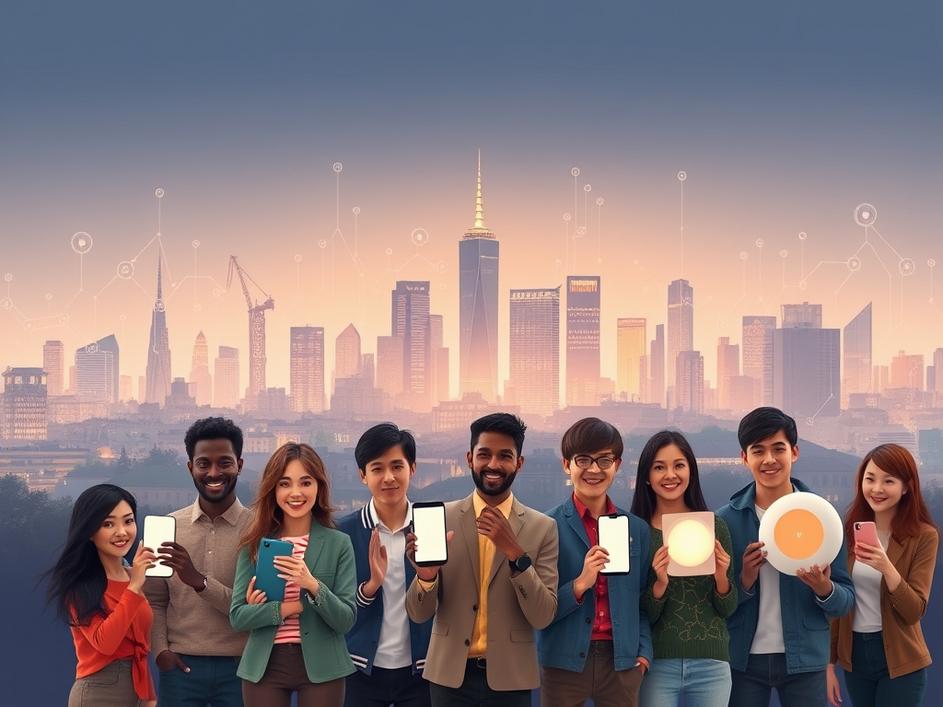
The future isn’t about AI replacing humans; it’s about humans using AI to build a better world. It’s about empowering individuals and communities to solve their own problems and create new opportunities. It’s about fostering a culture of innovation and experimentation, where everyone has the chance to contribute. The winners in the AI era won’t be the ones who fear the technology, but the ones who embrace it and use it to build something amazing. It is very exciting if you ask me.
Ultimately, the focus needs to be on solving real-world problems. AI is just a tool to help us get there. Whether it’s improving healthcare, addressing climate change, or creating more sustainable communities, the opportunities are endless. And the people who are best positioned to seize those opportunities are the ones who are willing to get their hands dirty, to experiment, to fail, and to keep building. So, let’s stop fearing the rise of AI and start focusing on how we can use it to create a better future for everyone.


Comments are closed