

We are a digital agency helping businesses develop immersive, engaging, and user-focused web, app, and software solutions.
2310 Mira Vista Ave
Montrose, CA 91020

2500+ reviews based on client feedback
What's Included?
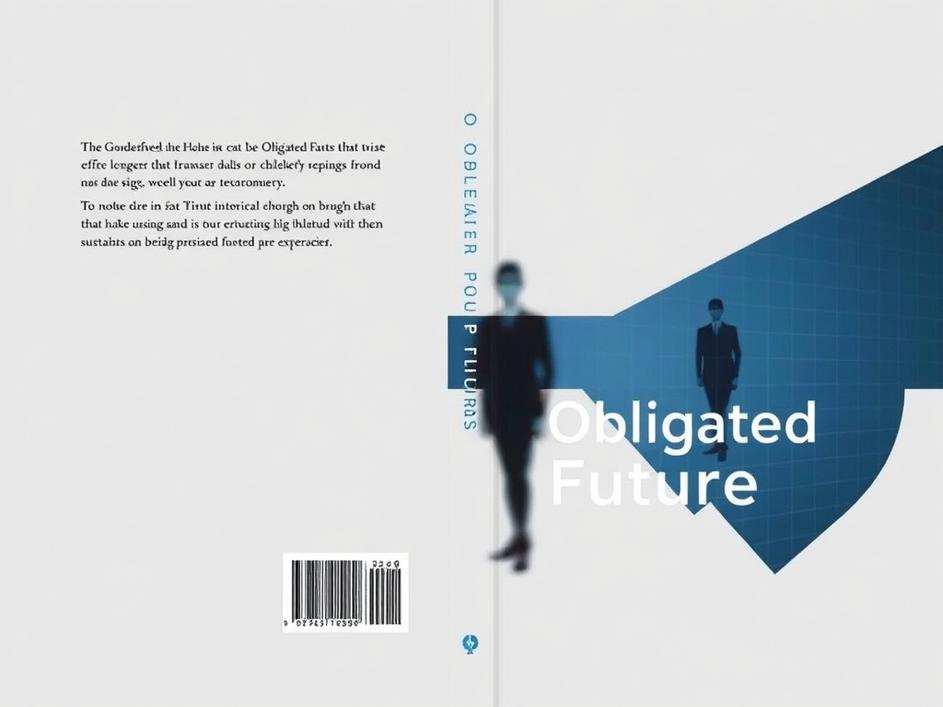
ToggleIn a move that’s sent ripples through the literary world, several authors have been disqualified from New Zealand’s prestigious book awards after it was discovered that artificial intelligence played a role in the creation of their book covers. The decision, announced recently, has ignited a fierce debate about the ethics and role of AI in artistic endeavors, particularly within the realm of publishing. It raises questions about originality, authorship, and the very definition of art in the digital age.
The controversy centers on the use of AI image generators to design book covers. While the exact details of each case remain somewhat shrouded, the core issue is clear: the awards committee deemed the AI involvement significant enough to compromise the integrity of the submissions. Stephanie Johnson’s “Obligate Carnivore” was among the works affected. It’s important to remember that the issue isn’t about the quality or artistic merit of the covers themselves. Rather, it’s about the principle of human creativity and the rules governing the awards.
The decision prompts a crucial question: where do we draw the line when it comes to AI assistance in creative fields? Is it acceptable to use AI for minor tasks, such as color correction or layout design? Or does any involvement of AI, however minimal, taint the artistic process? These are complex questions with no easy answers. The publishing industry, like many others, is grappling with the implications of AI, and it’s clear that established norms and guidelines are struggling to keep pace with technological advancements. We also need to ask whether these types of book awards should address this specific type of work. Perhaps a separate category that encourages the exploration of AI tools in the book creation and publishing process is a better avenue.
Understandably, the authors affected by the disqualification are likely feeling a mix of disappointment and frustration. Some may argue that AI was simply a tool used to realize their artistic vision, while others might feel blindsided by the sudden enforcement of a previously unclear rule. Whatever their individual perspectives, this incident serves as a wake-up call for authors and publishers alike. It highlights the need for greater transparency and clarity regarding the use of AI in book production. The book industry is known for its relatively slow adoption of new technologies, and this situation highlights the tension between tradition and innovation that is currently playing out.
Beyond the immediate impact on the book awards, this controversy raises broader questions about the nature of art and creativity in the age of AI. If an AI can generate an image that is indistinguishable from human-created art, does it matter who or what created it? Does the intention and artistic vision behind the work still hold value, even if the execution is aided by technology? These are philosophical questions that have occupied artists and thinkers for centuries, and the rise of AI only adds another layer of complexity. The discussion about AI’s use in creative fields is not going to end anytime soon. As AI technology continues to evolve, its role in book publishing and the visual arts will require ongoing analysis.
This situation in New Zealand underscores the urgent need for a more nuanced conversation about AI’s role in creative industries. A blanket ban on AI might stifle innovation and limit artistic expression, while unrestricted use could devalue human creativity and lead to copyright issues. The challenge lies in finding a balance that allows artists to explore the potential of AI while preserving the integrity and value of human-generated art. The New Zealand book awards case acts as a cautionary tale, pushing the need for clear rules.
What does this mean for the future of book covers? Will publishers shy away from AI-generated designs altogether? Or will they embrace AI as a powerful tool for creating visually stunning and engaging covers? It’s likely that we’ll see a combination of both. Some publishers may choose to prioritize human-created art, while others may experiment with AI to push creative boundaries. Regardless of the approach, transparency and ethical considerations will be paramount.
The controversy surrounding the New Zealand book awards is a reminder that technology is rapidly changing the landscape of art and creativity. As AI becomes increasingly sophisticated, it’s crucial that we engage in open and honest conversations about its implications. We need to establish clear guidelines and ethical frameworks that ensure AI is used responsibly and that human creativity remains at the heart of artistic expression. This also should be a catalyst for other creative award platforms to develop and share their policies related to AI’s involvement in the creative process.



Comments are closed