

We are a digital agency helping businesses develop immersive, engaging, and user-focused web, app, and software solutions.
2310 Mira Vista Ave
Montrose, CA 91020

2500+ reviews based on client feedback
What's Included?
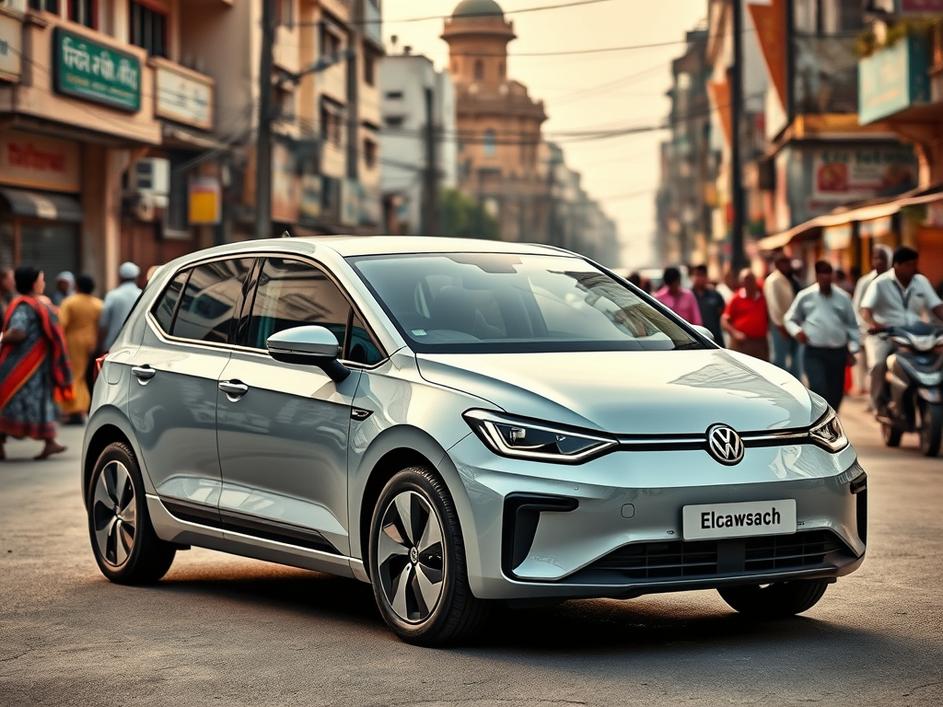
ToggleVolkswagen, the German automotive giant, is rethinking its approach to the electric vehicle (EV) market in India. Recent reports suggest that the company is looking to significantly cut the costs associated with developing EVs in the country, aiming for a reduction of around one-third. This shift comes alongside a search for a local partner to help boost its presence and market share in the rapidly growing Indian auto market. The move signals a potentially significant change in Volkswagen’s strategy, adapting to the unique challenges and opportunities presented by the Indian market.
The Indian auto market is unlike any other. It’s incredibly price-sensitive, with consumers often prioritizing affordability and value for money. Electric vehicles, while gaining popularity, still face a high price barrier compared to traditional gasoline-powered cars. For Volkswagen, known for its engineering prowess and premium brand image, entering the Indian EV market with its existing global EV models might not be the most viable strategy. These global models, while technologically advanced, often come with a higher price tag that could deter potential Indian buyers. So, the decision to cut development costs and seek a local partner makes a lot of sense in this context. It suggests Volkswagen is acknowledging the need to tailor its EV offerings to better suit the specific demands of the Indian consumer.
A key element of Volkswagen’s revised strategy is the search for a local partner. This is a common approach for international automakers entering or expanding in India. Local partners bring invaluable knowledge of the Indian market, including consumer preferences, regulatory landscapes, and established distribution networks. A partnership could help Volkswagen navigate the complexities of the Indian auto industry more effectively, reduce risks, and accelerate its growth. It can also provide access to existing manufacturing facilities, supply chains, and technology, further reducing costs and improving competitiveness. The ideal partner for Volkswagen would likely be a company with a strong understanding of the Indian market, experience in manufacturing affordable vehicles, and potentially, expertise in electric vehicle technology.
Cutting EV development costs by a third is a significant undertaking and highlights Volkswagen’s commitment to affordability in the Indian market. This could involve simplifying vehicle designs, sourcing components locally, and optimizing manufacturing processes. The move indicates a willingness to adapt its global engineering standards to meet the specific needs of Indian consumers, who are often more focused on value and practicality than on cutting-edge technology or premium features. Reducing costs is crucial for Volkswagen to compete effectively with established Indian automakers like Tata Motors and Mahindra, who already have a strong foothold in the EV market with their more affordable offerings.
Volkswagen’s revised EV strategy in India presents both challenges and opportunities. Successfully finding the right local partner and achieving significant cost reductions will be critical for its success. The company will also need to carefully balance its global brand image with the need to offer affordable EVs that appeal to Indian consumers. Despite these challenges, the Indian EV market offers immense potential for growth. As government policies continue to support EV adoption and as battery technology improves, demand for electric vehicles is expected to rise significantly in the coming years. Volkswagen, with its engineering expertise and global reach, has the potential to become a major player in the Indian EV market, but it will need to execute its revised strategy effectively and adapt to the evolving needs of the Indian consumer. Ultimately, this strategic pivot could be a very smart move for the long-term success of the brand in this critical market.
Volkswagen’s decision could have a ripple effect on the broader Indian EV market. Increased competition could drive innovation and affordability, benefiting consumers. Other international automakers may also be prompted to re-evaluate their strategies and consider similar partnerships or cost-reduction measures. Furthermore, a successful entry by Volkswagen could boost confidence in the Indian EV market and attract further investment from both domestic and international players. This could accelerate the adoption of electric vehicles in India and contribute to the country’s efforts to reduce emissions and improve air quality.
How Volkswagen manages its brand perception during this transition will be crucial. While affordability is key, Indian consumers also value quality and reliability. Volkswagen needs to ensure that any cost reductions do not compromise the core values that the brand represents. Maintaining a balance between affordability and quality will be essential to build trust and attract a loyal customer base. Additionally, understanding the specific needs and preferences of Indian consumers, such as range anxiety and charging infrastructure availability, will be crucial in developing EVs that are truly appealing and practical for the Indian market.
Volkswagen’s revised strategy in India is a calculated risk, but one that appears to be well-considered. The company is adapting to the realities of the Indian market, recognizing the need for affordability and local expertise. By cutting costs and seeking a strategic partnership, Volkswagen is increasing its chances of success in a highly competitive environment. The Indian EV market is poised for significant growth, and Volkswagen’s decision to adapt its approach could position it for long-term success in this important market. The next few years will be critical as Volkswagen implements its strategy and navigates the challenges and opportunities that lie ahead. It will be fascinating to observe how this unfolds and the impact it has on the future of electric mobility in India.


Comments are closed