

We are a digital agency helping businesses develop immersive, engaging, and user-focused web, app, and software solutions.
2310 Mira Vista Ave
Montrose, CA 91020

2500+ reviews based on client feedback
What's Included?
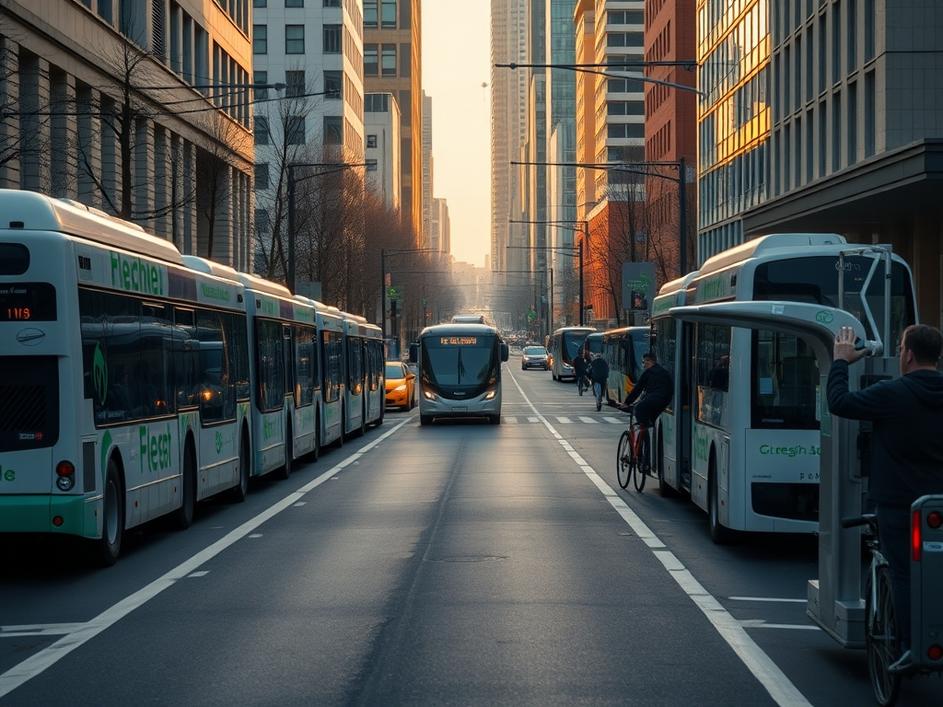
ToggleThe city rolled out a plan to swap a big chunk of its aging bus fleet for electric models and to test a few driverless shuttles in busy neighborhoods. It isn’t just a press event. It’s a long test. The goal: cut pollution, cut noise, and speed up trips. The numbers look big on paper, but the real test is in streets, stops, and wait times. People will judge this by how often buses run when they need them, not by glossy charts. If the plan works, a quick hop from home to work could be smoother than today. If it doesn’t, riders will feel it fast. The city promised listening sessions and quick fixes if issues pop up, which matters in the real world.
The city stacks money from public funds, state grants, and private partners. The plan spans a decade, with regular reviews. That matters. Too often projects look good on launch day and fade away. This time the goal is steady progress plus room to adapt. The private partners bring expertise in maintenance and software, but the city keeps the final say on routes and safety. Slow and careful is okay when the stakes are daily life. The plan isn’t a sprint; it’s a marathon. People need to see consistency before they start counting on it. Officials set up quarterly reports to show how far they’ve come and what still needs work.
A big mistake would be chasing gadgets while ignoring riders. The plan calls for accessible stops, low-floor buses, and real parity for riders with disabilities. Pricing stays fair, with subsidies where needed. Route maps will be easier to read. City crews plan to keep people informed with simple signs and friendly staff. The tech matters, but it’s the ride that counts. If the system feels cold or confusing, riders drop off. If it feels human and predictable, people will use it even when driving looks tempting. Local groups have asked for a simple complaints line and a rapid response team to handle issues like broken ramps or signage.
The weak spots are timing, training, and upkeep. Electric buses need charging stations, fire safety checks, and spare parts. Autonomous shuttles need operators and a clear policy on who takes over if a sensor glitches. The city aims to build a talent pipeline, from high school programs to re-skilling for current workers. Without people who know how to fix and operate these machines, the plan stalls. Weather, road works, and accidents can slow things down too. The plan accepts those limits and builds buffers. If you plan for delays, you survive them. The result should be fewer breakdowns over time, not more.
Transit choices reshape how streets feel. With more people on buses and fewer cars, a corner shop might see new customers. More reliable service could encourage someone to stay in town rather than drive to the next city. But a bigger fleet requires space: garages, charging yards, and safer routes for pedestrians. The city is betting on a warmer relationship between people and transit. It won’t fix every problem, but it could nudge routines toward more shared space and less rush hour stress. Neighborhood groups say streets should stay safe for kids and seniors and that bus lanes must not block deliveries or parking when they’re not needed.
The proof will show up in the clock. If buses arrive on time, transfer points work, and the app is friendly, riders stay aboard. If not, riders drift back to car lanes. The plan includes pilot zones to learn what works before a full roll-out. Those zones matter because they reveal the blind spots: where to put shelters, how to adjust frequencies, and how to handle late buses without wrecking the day. A good pilot respects riders’ time and earns trust. The plan also sets a clear path for scaling, so people know when their neighborhood might see changes.
This isn’t magic. It’s a patient effort to change a city’s habit. It asks people to share space, to switch from private cars to public options, and to trust new systems. The headlines shout ambition, but the real work lives in the small moments: a warm shelter on a cold night, a clear map at a corner stop, a bus that shows up when the schedule says. If the plan stays grounded and people feel heard, the city might not just move faster. It might move better, day after day, with less noise and more room for everyone. The outcome will depend on listening more than promises and on steady, visible progress that riders can feel in their daily routines.



Comments are closed