

We are a digital agency helping businesses develop immersive, engaging, and user-focused web, app, and software solutions.
2310 Mira Vista Ave
Montrose, CA 91020

2500+ reviews based on client feedback
What's Included?
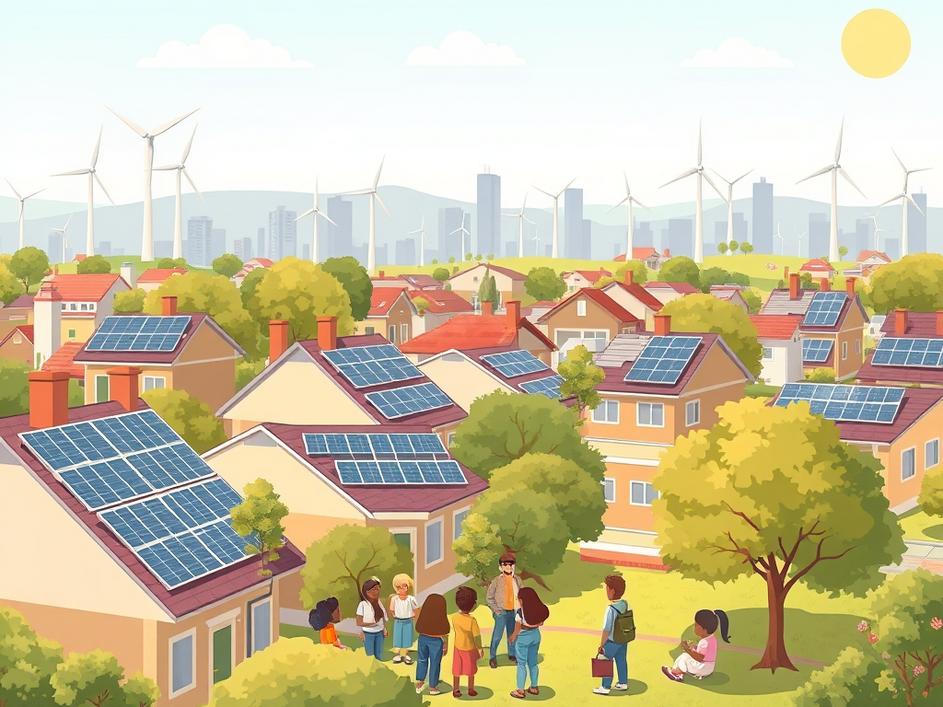
ToggleThis week a mid-sized city rolled out a plan to run on clean energy within the next decade. City hall framed it as a practical path, not a wild dream. The idea is to pair new solar farms with wind projects, smarter storage, and a stronger grid. It also calls for careful budgeting that shields households from big bills while phasing out older, dirty power sources. People may worry about costs, but the message is simple: you don’t have to wait for a miracle. Small steps, steady funding, and local input could steer the city toward cleaner air and steadier energy. The plan invites residents to watch the process, cite concerns, and suggest tweaks as the work unfolds. If neighbors stay engaged, the changes can feel local, not distant.
The city talks about keeping bills fair while shifting to cheaper power in the long run. Early numbers are still rough, but officials say the upgrade will reduce outages and improve reliability. We could see more homes with smart meters and better insulation programs. People who already invest in energy efficiency could see faster paybacks. Critics worry about upfront costs and who pays them. The answer, in practice, will come from careful design: grants for low-income households, transparent rate plans, and clear timelines. If the plan succeeds, a typical family might save some money each month, and the air around their block could get noticeably cleaner. The plan also hints at incentives for energy-efficient appliances and home upgrades. The point is not hype, but steady progress that people can track.
A big part of the plan focuses on people. The city wants to train workers for solar and wind projects, install crews for grid upgrades, and create local businesses tied to the new energy economy. That’s the hopeful part. It means real chances for good jobs that don’t require a four-year degree. Community colleges and unions would run programs to teach the basics and the safety rules. Small contractors could grow by joining the build-out. The city might partner with community groups to spread the word and recruit trainees. The hope is that this isn’t just a few big gigs, but a steady stream of work for years. When residents see real chances at home, belief in the plan becomes a personal story rather than a distant policy.
No plan this big comes easy. The biggest test is money. Upfront costs could strain budgets and require help from state or federal programs. There are also bumps in the road, like getting permits, securing land for new projects, and coordinating with utility companies. Storage is crucial to keep power steady when sun isn’t shining or wind isn’t blowing. The local wildlife and land use concerns will need careful work. If targets slip, or if costs creep, public trust can fade fast. The plan needs clear milestones and independent reviews to stay honest. Without that, people may feel watched instead of heard. Delays are normal, but steady, honest updates can keep trust.
The next steps will likely include public hearings, more detailed budgets, and a set of construction timelines. Look for how the city plans to fund the project and how it measures progress. A good sign would be simple dashboards showing energy saved, emissions cut, and jobs created. Public input should stay open as the work progresses. For residents, this is a chance to shape a future that touches everyday life. Share your concerns about costs, jobs, and local impact. Attend meetings, read reports, and ask for plain language explanations. Real participation can keep the project grounded and useful for everyone. A simple summary of goals helps people track progress.
This news matters because it tests a common question: can a city change how it powers itself without breaking the bank or leaving people behind? The answer isn’t simple, but the effort is worth a try. If done well, it can lower pollution, improve health, and give more people a stake in their community’s future. My take? Hope should be paired with scrutiny. Watch the numbers, but also watch how the plan treats neighbors who worry about costs or schedules. A plan that listens as it builds is more likely to last. It won’t be perfect, but it can push us toward practical, honest progress. A steady pace matters more than a bold sprint.



Comments are closed