

We are a digital agency helping businesses develop immersive, engaging, and user-focused web, app, and software solutions.
2310 Mira Vista Ave
Montrose, CA 91020

2500+ reviews based on client feedback
What's Included?
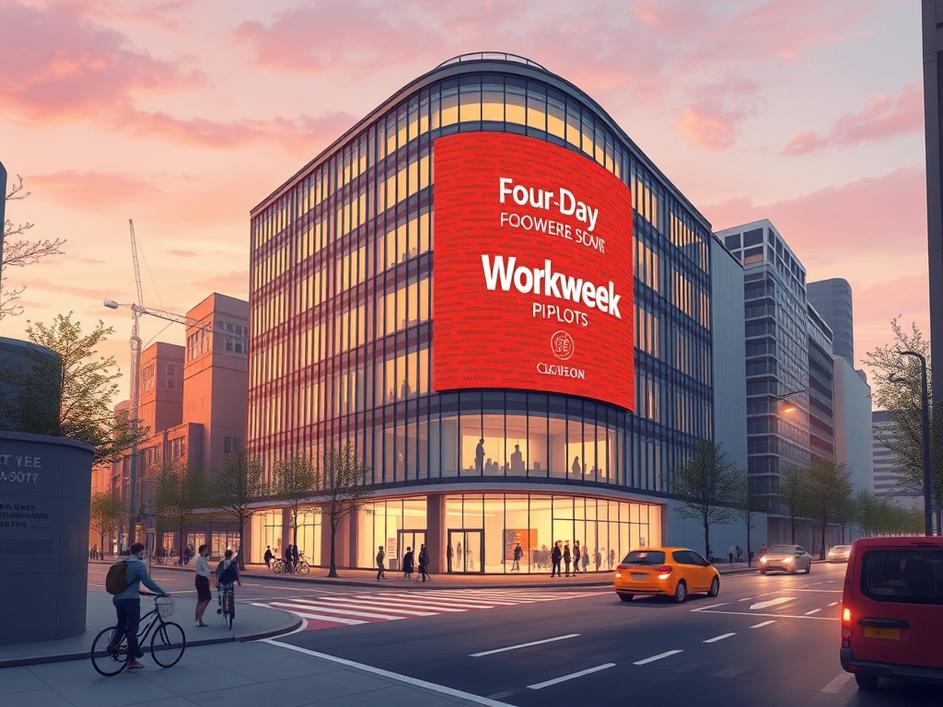
ToggleA medium sized city surprised many this week. It rolled out a four day work week for most public sector workers. Some private firms joined the pilot too. The idea is simple. Give people more time for rest, family, and learning. Keep essential services going. City officials say it could cut traffic and cut pollution. It could also help attract workers. They will watch the impact on office lines, trash pickups, and safety services. Residents are watching closely. If it works, other towns may try it too. The council approved the plan after months of talks with unions and local businesses. The timing fits a moment when people feel stretched by long commutes. The coming months will show if this bold step pays off.
On paper, the program shortens the work week by one day. Some teams switch to four longer days, others keep shorter days with fewer hours. The city says no major service gaps will happen. They add more staff in busy departments as a cushion. Workers get an extra day off, a longer weekend, and a shot at better balance. Critics worry about clinics, emergency lines, and city hall hours. If call centers shrink hours, people might wait longer. Trash routes, water teams, and road crews could face tighter schedules. The city plans to test a rotation so not all units shift at once. Still, the real test will be quiet but steady. Can the system run smoothly with one less day of service each week?
People are already feeling the change. Commuters say fewer days on the road cut costs and carbon. Some workers report better sleep and less stress. Others worry about arranging childcare and after school care. The plan could loosen afternoon crowds at libraries and centers. But there may be busy hours when doors stay shut. Residents who rely on late services might feel left out. Schools, clinics, and parks have to adapt. The city promises online options and flexible hours for most offices. Still, the shift will tip the balance for families who juggle work and care. If the schedule sticks, we could see a kinder rhythm in daily life. If not, people will push back quickly.
Local shops could win from longer weekends. People may spend more time in town, not just in the sun. Cafes near civic centers might see a lift in sales. But there are hidden costs. Small employers worry about coverage and overtime rules. Some businesses may need to hire temp workers to fill gaps. The city saves on energy bills and building maintenance on the off day. That money could go to other services. Parents may need more affordable care on the extra day off. The plan may also slow some projects that rely on city crews. If the city holds tight to its budget, the plan could be funded without big tax hikes. The real test is whether the money saved helps residents in a real way.
Here is how I see it. This is a signal, not a guarantee. If a city can run well on fewer hours, it shows the system is flexible. It asks workers to adjust, not just relax. The key is clear goals and honest reporting. The city should track wait times, service levels, and job happiness. It should check if the extra rest translates to fewer sick days. It should also look at equity. Who benefits most? Are renters and low income families seen in the numbers? We need a plan for child care, transit changes, and digital access. If other towns copy this idea, they must tailor it. Not every job fits a four-day week. The plan will work only if there is strong planning, open feedback, and a steady budget. The test lasts a year, then comes the review.
In the end, this news steps beyond a single policy. It asks people to rethink time at work and in public life. The results may not be dramatic at first, but the shift matters. If the city learns and adapts, the pilot could become a blueprint for other places. If it fails, it still teaches a lesson about limits and fairness. The story remains unfinished, and that is okay. We see a move to balance and care, wrapped in a practical plan. The next chapters will show how much a four-day week can alter work, life, and the pace of the city. For now, we watch, we learn, and we decide what kind of town we want to be.



Comments are closed