New Directions in Climate Strategy
The landscape of climate policy is shifting again as governments around the world implement new measures aimed at tackling climate change. These changes aim not only to address environmental concerns but also to foster economic growth. What does this mean for everyday citizens? The new regulations are stirring up conversations, debates, and even a bit of uncertainty among communities and industries alike.
The Role of Government Initiatives
Governments are increasingly taking action by introducing stricter regulations on emissions and incentivizing green energy alternatives. This is part of a worldwide movement to meet climate targets, including the ambitious goals set forth in international agreements. By encouraging renewable energy investments, governments hope to stimulate job growth in the green sector. But this shift isn’t just a matter of policy; it also impacts the energy landscape and consumers’ daily lives.
Community Response and Engagement
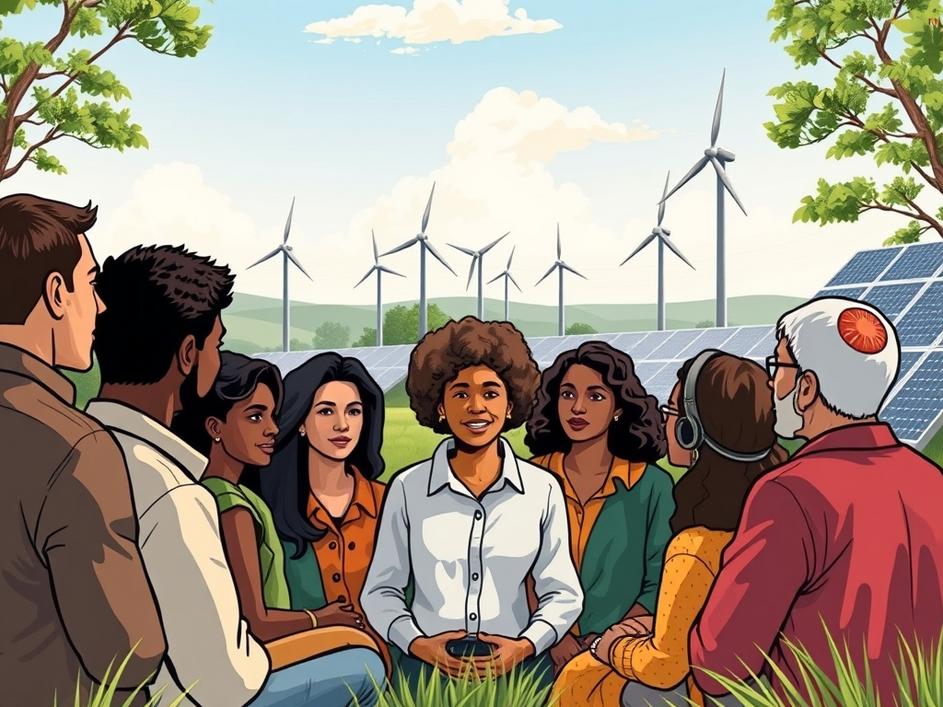
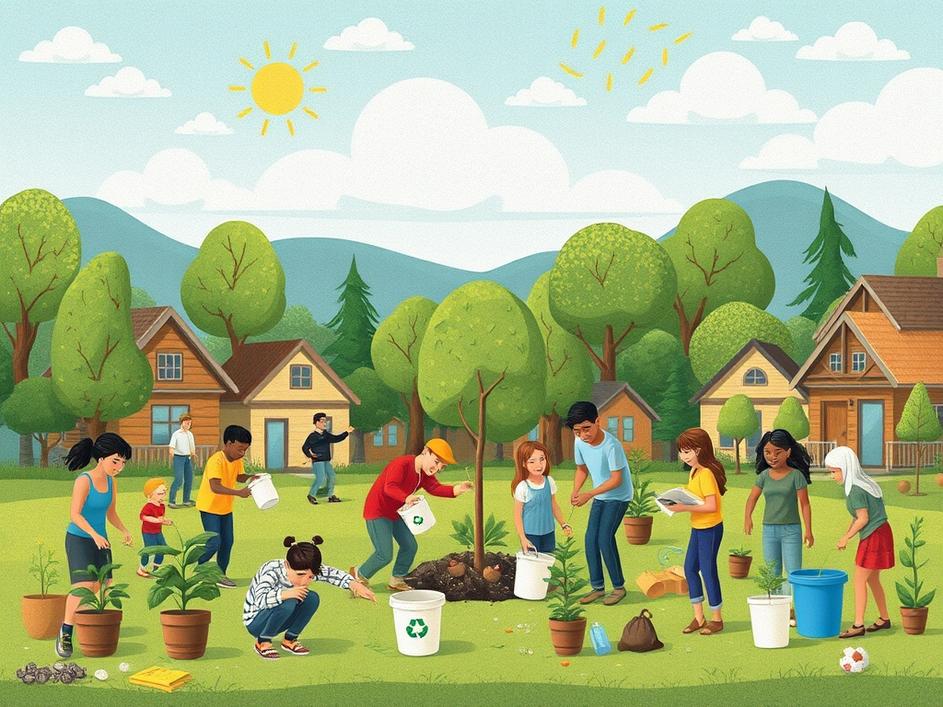
Communities are beginning to react to these policy changes. Some citizens are embracing the new approach, seeing it as a necessary step toward sustainability and environmental stewardship. Others, however, express frustration about the potential economic impact. Concerns include job losses in traditional industries and increased costs for consumers. Engaging the public in this dialogue is crucial as communities assess how these policies affect their lives directly.
The Intersection of Economy and Environment
The balancing act of fostering a healthy economy while protecting the environment poses a significant challenge. A successful transition relies on finding ways to innovate and adapt. Countries that lead in green technology stand to benefit economically, creating jobs in research, manufacturing, and clean energy. But those industries must be developed without sidelining workers in existing sectors. Finding solutions that work for everyone can feel like an uphill battle.
Looking Forward: A Collaborative Effort
The conversation about climate policy is far from over. It’s clear that we’re at a pivotal moment, and collaboration between governments, industries, and communities is vital. Building partnerships to foster innovation and share knowledge can ensure that transition efforts are both equitable and effective. The path forward needs to be inclusive, taking into account the varying perspectives and needs of all stakeholders.





Comments are closed