

We are a digital agency helping businesses develop immersive, engaging, and user-focused web, app, and software solutions.
2310 Mira Vista Ave
Montrose, CA 91020

2500+ reviews based on client feedback
What's Included?
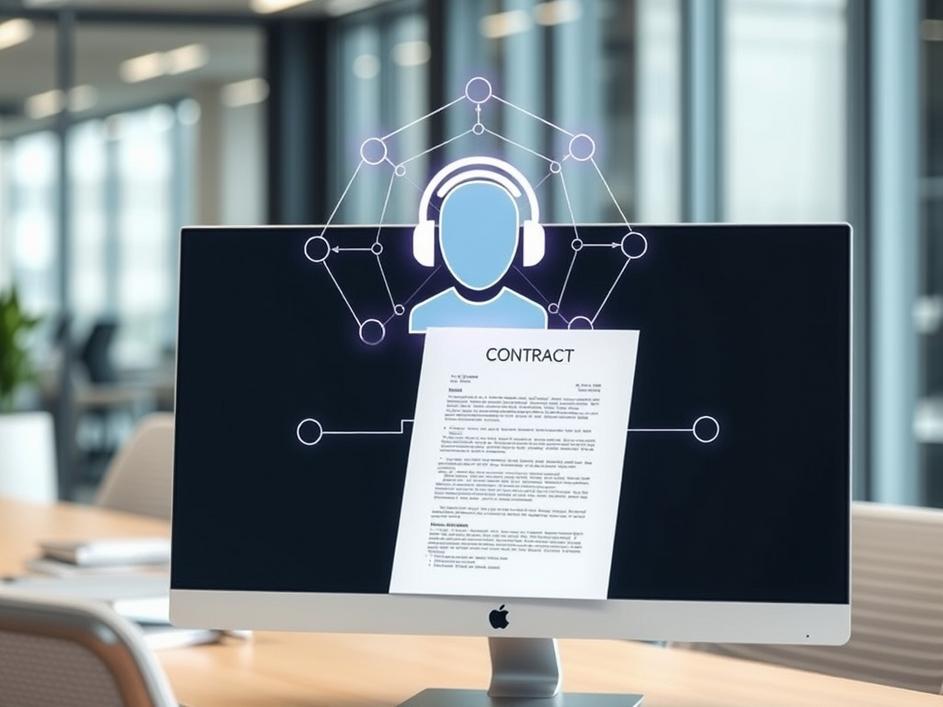
ToggleEvery company that signs a contract knows how messy the process can get. Papers pile up, deadlines slip, and people spend hours chasing signatures. CobbleStone Contract Insight adds a new kind of helper to the mix – an AI‑driven workflow agent. It sits inside the existing system and watches the flow of each agreement. When a clause needs a review or a date is coming up, the agent nudges the right person. The idea is simple: let the software take care of the routine nudges so people can focus on the real decisions. This approach feels like having a quiet assistant who never forgets a task. It is not a brand new platform, just a layer on top of what users already know. The result is a cleaner, more predictable path from draft to signed deal.
The agent is built on a set of rules that are fed by past contract data. It looks at patterns – how long a negotiation usually lasts, which clauses trigger extra review, which departments sign off last. By spotting these trends, the agent can predict the next step and suggest it. For example, if a renewal clause often needs legal sign‑off, the agent will create a reminder as soon as the renewal date appears. The system also pulls in external triggers like calendar events or policy updates. All of this happens in the background, so the user sees only a clear task list. The learning part is not magic; it is a steady accumulation of examples that the software turns into simple actions.
From a lawyer’s point of view, the biggest win is time. Instead of opening a folder, searching for a missing signature, and sending a follow‑up email, the workflow agent does it automatically. That cuts down the back‑and‑forth that normally drags projects out of schedule. It also reduces the chance of a missed deadline, which can be costly. Because the agent flags risky clauses early, teams can address them before they become a problem. The transparency of the task list also helps managers see where bottlenecks form. In practice, this means fewer late renewals, fewer compliance gaps, and a smoother hand‑off between departments. The overall effect is a more relaxed pace and a clearer picture of where each contract sits.
Even a helpful agent needs good data to work well. If the underlying contract records are incomplete or outdated, the suggestions can miss the mark. Teams should take time to clean up old files before relying on the AI layer. Another point is that the agent does not replace human judgment. It can point out a missing signature, but it cannot decide whether a clause is acceptable. Users must still review the content and make the final call. There is also a cultural side – some people may feel uneasy about a system that watches their work. Clear communication about what the agent does and does not do can ease that concern. Finally, the software must be kept up to date with any regulatory changes, otherwise its alerts could become irrelevant.
Putting an AI‑driven assistant into a contract platform feels like a natural next step. It brings a bit of order to a process that has long been chaotic. In my view, the real value will show up as companies start to trust the system with more complex tasks, like routing contracts based on risk scores or suggesting clause language. As the data pool grows, the agent will get better at spotting subtle patterns. That could free up legal professionals to work on strategy rather than paperwork. For now, the tool offers a practical lift – fewer emails, fewer missed dates, and a clearer view of the contract pipeline. If teams give it a fair try and keep the data clean, they will likely see a noticeable boost in efficiency without a big learning curve.
Source: Original Article


Comments are closed