

We are a digital agency helping businesses develop immersive, engaging, and user-focused web, app, and software solutions.
2310 Mira Vista Ave
Montrose, CA 91020

2500+ reviews based on client feedback
What's Included?
ToggleArtificial intelligence hardware is moving faster than most people think. Chips, edge devices, and custom accelerators are popping up in labs and factories worldwide. Yet many small teams still struggle to turn a prototype into a product that can be sold. They need cheap testing boards, reliable supply chains, and people who understand both silicon and software. That gap is why a dedicated launchpad makes sense. It gives founders a place to build, test, and learn without having to chase dozens of separate vendors. The result is a smoother path from idea to market, and a better chance that good ideas survive the early grind.
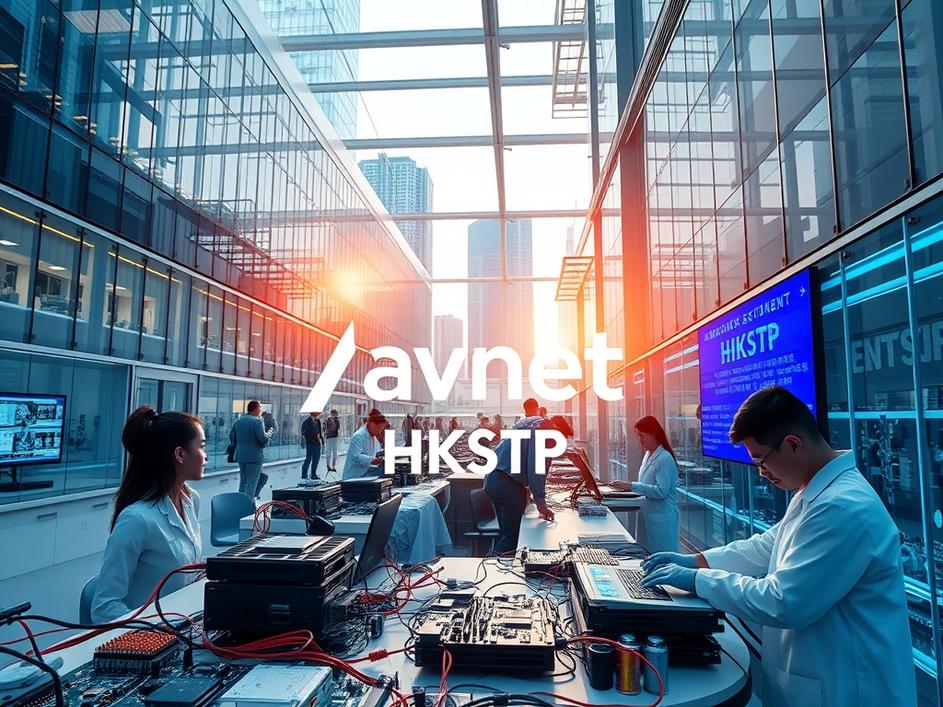
Avnet is a big name in tech distribution. It has warehouses, logistics know‑how, and relationships with most component makers on the planet. Hong Kong Science and Technology Parks (HKSTP) runs a network of labs, incubators, and funding programs for local innovators. When the two combine, they bring together a global supply chain and a local ecosystem that already supports start‑ups. Avnet can pull parts from Asia, Europe, and the US, while HKSTP can provide lab space and mentorship right in the heart of Hong Kong. The partnership feels natural – both want to make it easier for hardware teams to scale.
The new launchpad promises several concrete services. First, it gives startups access to a catalog of AI‑focused components at discounted rates. Second, it offers a set of prototype kits that include everything from sensors to high‑speed interconnects, so teams can build a working demo quickly. Third, there is a mentorship program that pairs founders with engineers who have built similar products before. Finally, the launchpad helps with small‑batch manufacturing, giving companies a way to order a few hundred units without the usual minimum‑order headaches. All of these pieces are bundled into a clear, step‑by‑step roadmap.
The program is aimed at early‑stage companies that already have a clear AI hardware concept. That could be a startup making a low‑power edge processor for smart cameras, a team developing a custom accelerator for natural‑language models, or even a group building a sensor‑fusion board for autonomous drones. The key is that the idea must be hardware‑centric, not just software. Teams that can show a prototype or a detailed design sketch are given priority. International founders are welcome, but local startups get a slight edge because HKSTP can offer on‑site lab access.
If the launchpad works as advertised, it could change the way AI hardware is built in the region. Startups that once had to ship designs to distant foundries for testing can now stay in one place, iterate faster, and keep costs low. That speed may attract more venture capital, because investors see a clearer path to revenue. Hong Kong could also become a hub for cross‑border collaboration, linking Chinese manufacturers with Western design talent. In the longer run, we might see more home‑grown AI chips that are tailored for specific markets, rather than relying on a few global giants.
Even a well‑designed program faces obstacles. Protecting intellectual property is a big concern when multiple parties share lab space and components. Avnet and HKSTP will need strong NDAs and clear ownership rules. Another issue is the rapid pace of AI hardware development – what is cutting edge today may be outdated in six months. The launchpad must keep its component catalog up to date, or risk becoming irrelevant. Finally, startups still need to find customers for their products; the launchpad can help build hardware, but it cannot guarantee market demand.
From my point of view, the collaboration feels like a practical answer to a real problem. It does not promise magic, but it removes a lot of the friction that keeps good ideas stuck in the lab. By giving founders a one‑stop shop for parts, testing, and advice, Avnet and HKSTP are lowering the barrier to entry for AI hardware. If the program stays focused on real‑world needs and keeps the process simple, it could become a model that other regions copy. For anyone watching the AI hardware space, this is a development worth keeping an eye on.


Comments are closed