Why the Centre Matters
DY Patil International University has just opened a space that feels more like a workshop than a traditional classroom. The Digital Engineering and Digital Manufacturing Experience Centre is meant to give students a chance to work with the kind of tools they will meet in real factories. In a city like Pune, where many tech firms already have a foothold, having a place to practice on campus makes a lot of sense. It bridges the gap between theory taught in lectures and the hands‑on work that companies expect from fresh graduates. The centre also signals that the university is listening to the fast‑changing demands of the job market, and it wants to stay ahead of the curve.
What the Facility Offers
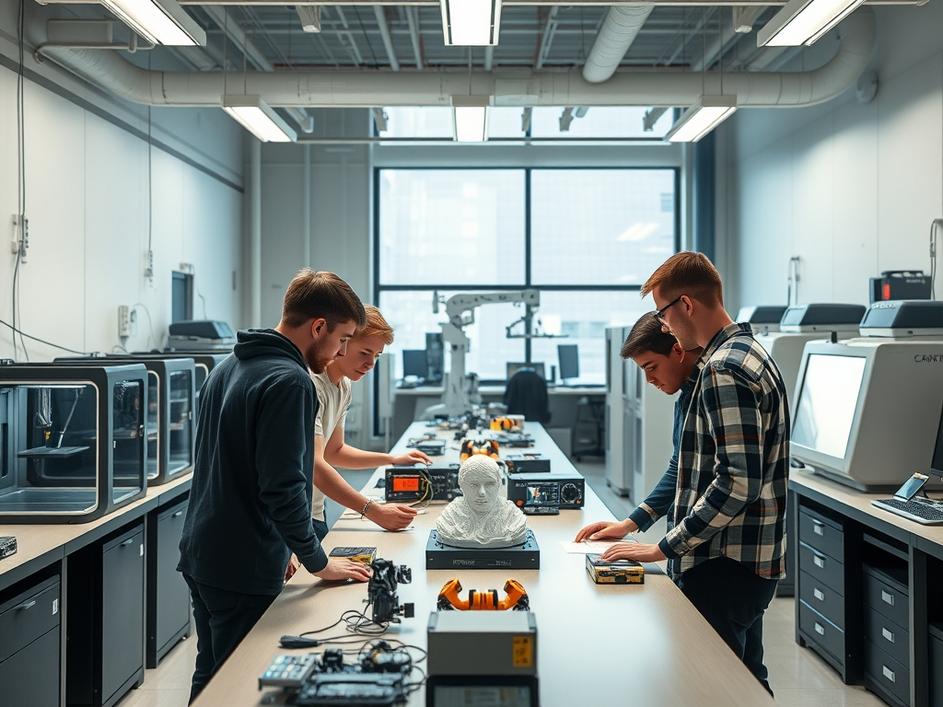
The new centre is packed with modern equipment. There are 3‑D printers that can produce prototypes in a matter of hours, CNC machines for precise metal work, and a suite of simulation software that lets students test designs before they ever cut a piece of material. A dedicated robotics lab lets learners program and troubleshoot autonomous systems. The layout is flexible, so groups can set up their own projects or work on guided assignments. All of this is supported by high‑speed internet and cloud‑based data storage, meaning students can collaborate even when they are not physically together.
Hands‑On Learning in Action
For a student who has only ever seen a formula on a whiteboard, being able to turn that idea into a physical object is a powerful moment. The centre encourages exactly that kind of trial and error. Teams can design a small drone, print its frame, and then test its flight stability on the in‑house wind tunnel. Mechanical engineering majors can take a CAD model of a gear assembly, run a stress analysis, and then mill the parts to see if the predictions match reality. This loop of design‑test‑refine helps students understand the limits of their knowledge and pushes them to fill those gaps.
How It Fits Into the Bigger Picture
India’s engineering colleges have been moving toward more practical curricula for a while now, but many still struggle with outdated labs and limited industry exposure. DYPIU’s centre is a clear example of how a university can invest in infrastructure that mirrors what employers use today. When graduates walk out of such a program, they already know how to handle the software and machines they will encounter on day one. This not only makes them more attractive to recruiters but also gives them confidence to take on more complex projects early in their careers.
Potential Hurdles and How to Overcome Them
Running a high‑tech lab is not without its challenges. The equipment needs regular maintenance, and software licenses can be expensive to renew. Moreover, teachers must stay up‑to‑date with the latest versions of tools, otherwise the centre risks becoming a showcase rather than a learning hub. To keep the momentum, the university should plan for continuous professional development for its staff and set up partnerships with companies that can provide mentorship or donate newer machines as technology evolves.
Looking Ahead
The Experience Centre is more than a collection of machines; it is a statement about what education can look like when theory and practice are given equal weight. If students make the most of the resources, they will graduate with a portfolio that shows real‑world problem solving, not just exam scores. That kind of preparation will serve them well, whether they join an established firm or start their own venture. In the end, the true success of the centre will be measured by how many of its alumni go on to create, build, and improve the world around them.






Comments are closed