

We are a digital agency helping businesses develop immersive, engaging, and user-focused web, app, and software solutions.
2310 Mira Vista Ave
Montrose, CA 91020

2500+ reviews based on client feedback
What's Included?
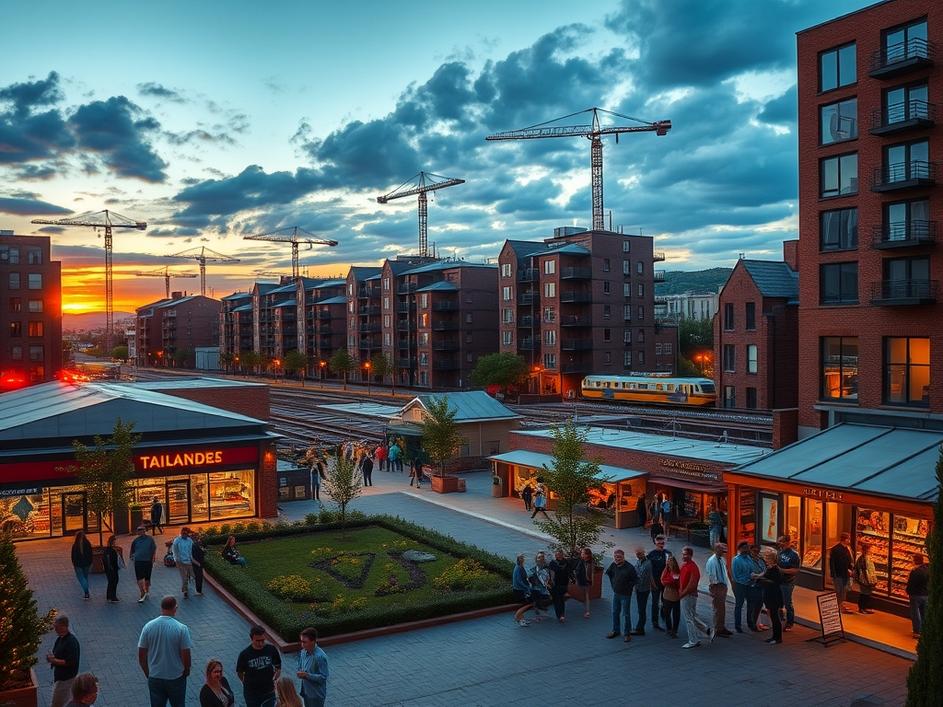
ToggleLast week the town learned about a bold plan. A long unused rail yard on the edge of downtown could become an open hub for work, living, and learning. The project mixes a tech stage, affordable apartments, new shops, and a big park. It also promises better trains and bike lanes, so people can move without cars. The idea sounds hopeful. It aims to bring steady jobs and fresh energy to a place that has seen more quiet years than loud headlines. But plans like this come with hard choices and big numbers. Before the first shovel hits the ground, the city has to show how this will work for neighbors who already worry about rent, schools, and traffic.
In every corner, you hear two tunes. Some say the project could lift the town from slow growth. They see new jobs in tech, construction, and care, plus clean streets. Others worry. They fear higher rents, crowded buses, and lost parking. A few people say the plan looks good on paper but hides costs. Local organizers hold listening sessions to hear these voices. They try to connect the dots between big promises and daily life. For many, the test is simple: will this change make life easier for families who already stretch every dollar? The challenge is to prove it, not just promise it.
Plans float until money lines up. This one leans on a mix of public funds and private partners. Grants, tax credits, and debt all mix in. There is risk. Delays push costs up. Critics demand milestones and audits. Advocates push for quick, visible wins like the park or the first tenants. Local leaders know the clock is ticking. They want to show that they listened, learned, and adjusted. Transparency helps. So does a clear timetable for housing, jobs, and transportation. If residents feel left out, even the best design will fail to land. The true test is simple: can the plan deliver small, steady gains as it grows?
Money shapes every corner of the story. The city hopes the project brings steady work and steady customers for local stores. Training programs could give people new skills and better pay. That helps families and keeps dollars in town. But there are costs too. Building costs rise. Maintenance and energy bills add up. If taxes rise, people notice. The best path is steady, inclusive growth. That means prioritizing affordable housing, good transit, and small business support. A strong economy for the few is not a win for the many. The plan should spread benefits, not just move them up the ladder.
Maybe the strongest signal is not a new building, but what fills its yards. A park becomes a place for kids to play, seniors to sit, neighbors to talk. A market and small workshops can stitch a sense of belonging. Schools and after-school care should be closer to the action, not left behind. The project can renew pride in the place if it invites all kinds of people to the table. That means design that sees the street as shared space, not a barrier. Public art, safe streets, and clean spaces matter as much as tall towers. In the end, a city grows when people feel at home in it.
Change takes time. A plan is not a guarantee, it is a map. Readers should stay curious and involved. Attend meetings, ask questions, and track progress. Support groups that work on housing, transit, and small business. Celebrate small wins and push for fixes when things go wrong. This is how communities stay warm as they wrestle with big ideas. The story is not just about steel and glass, but about people choosing to stay and build a life here. If the town keeps listening and acting with care, then the plan has a chance to become more than a headline. It can become a real home for tomorrow.

Comments are closed