

We are a digital agency helping businesses develop immersive, engaging, and user-focused web, app, and software solutions.
2310 Mira Vista Ave
Montrose, CA 91020

2500+ reviews based on client feedback
What's Included?
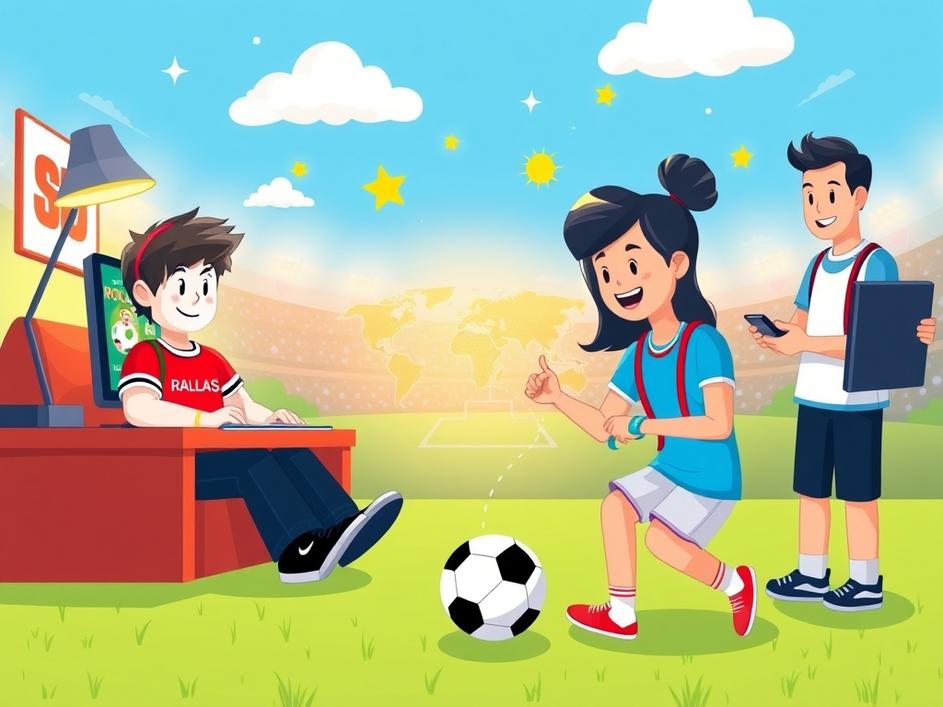
ToggleAfter school in Dallas, a teenager logs into Roblox to queue for a five-a-side match with friends. Across town, a parent steps up to a sponsor activation and grabs a free wristband. Both scenes sit inside the same moment: World Cup fever traveling through streets and screens. Roblox isn’t just a game here. It acts like a living room where people meet, plan, and celebrate. The scene shows how a big event can braid digital life and real life in a way that’s easy to join. There are no heavy instructions. Just press play, find friends, and start playing. That energy is what a Web3 game should copy: easy entry, immediate fun, and a sense of belonging.
Roblox makes it quick to enter. No wallet required on day one. You sign in with basic credentials and enter a lobby with others. You see teams, a timer, and a chat box. That’s enough to spark a smile and keep playing. For Web3 games, the lesson is clear: make the first touch effortless. If wallets are needed later, offer a gentle path. Gasless transactions, social login, or opt-in wallets can help. Put privacy and safety front and center. The longer someone stays without thinking about crypto, the more likely they are to stay for good.
Real-world activations tied to a sponsor feel tangible. A wristband given at a stadium activation can unlock an in-game badge, or a badge unlocks a real-world perk. The link between offline and online keeps people curious. But there is a risk: people participate only to grab rewards and drift away. The best approach ties rewards to effort and time spent in the game, not just attendance. The sponsor should be a partner, not the boss. In the long run, Web3 games should use partnerships to guide players toward meaningful digital ownership and ongoing play, not one-off promotions.
People queue, talk, brag, and organize crews. A hub thrives when players shape the rules and invite others in. Web3 games can borrow this by leaning into co-creation and content creation. Allow players to craft arenas, skins, or challenges and share them easily. Ownership matters because it gives people pride, but belonging matters just as much. When players feel seen and heard, they bring friends, create mods, and host events. The tricky part is moderation: you need clear norms, fast reporting, and fair handling of conflicts. A welcoming vibe beats a crowded marketplace every time.
Tokenomics can be exciting on a slide, but simple UX wins runs. Roblox shows you can host big experiences with clean menus, friendly guidance, and predictable paths. For Web3, design comes first: create smooth token flows, obvious rewards, and transparent terms. Governance should be a choice, not a maze. If you fold on-chain features into the game slowly and clearly, players feel in control. Offer opt-outs where possible and provide clear examples of how owning a token changes gameplay. In the end, the goal is to invite players to explore, not to overwhelm them with crypto jargon.
Roblox markets safety and age-appropriate content. Web3 projects live in a different risk space: scams, rug pulls, phishing, and wallet prompts that pop up at the worst time. Builders should bake privacy controls, simple explanations, and visible rewards into the design. Early onboarding should teach players what ownership means, not just how to click a token. Clear terms, robust moderation, and transparent fee structures help. When people feel protected, they stay longer and invite others. A community built on trust grows, while a space that hides costs or hides risks with jargon burns out fast.
Start with a social hub, not a wallet demo. Make real-world events a bridge, not a checklist. Keep entry points welcoming and keep ownership meaningful but understandable. Use simple token goals anchored to fun, not paywalls. Let the community vote on tweaks that matter and show which changes came from players. And above all, listen. The Roblox World Cup hubs point to a future where games live in the real world as much as they live on screens, and where friendly Web3 tools serve people, not confuse them. If builders take that path, they can grow games that last and communities that endure.



Comments are closed