

We are a digital agency helping businesses develop immersive, engaging, and user-focused web, app, and software solutions.
2310 Mira Vista Ave
Montrose, CA 91020

2500+ reviews based on client feedback
What's Included?
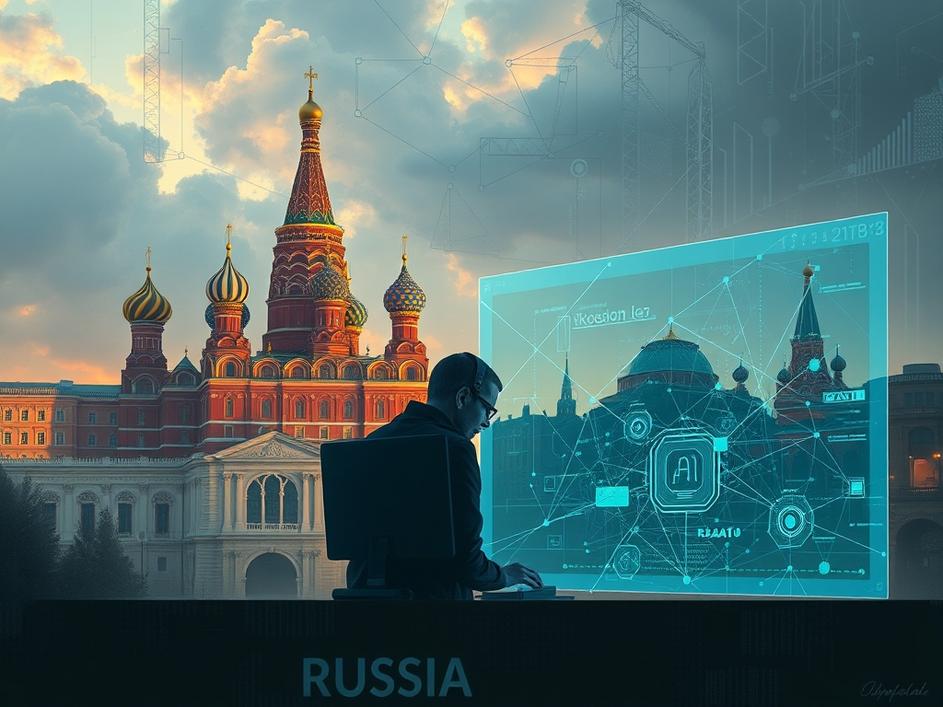
ToggleFor years, President Vladimir Putin has declared that Russia needs to be at the forefront of artificial intelligence. He envisioned a future where Russia was not just a player, but a leader, setting the pace for AI development globally. This wasn’t just about technological pride; it was seen as crucial for national security, economic growth, and maintaining Russia’s influence on the world stage. The government launched various initiatives, promising funding and support for AI research and development. Putin himself spoke of AI as a key to Russia’s future success, a sentiment echoed by other high-ranking officials. The message was clear: Russia was serious about AI.
However, the reality on the ground paints a different picture. Instead of leading the charge, Russia is struggling to keep up with the rapid advancements in AI happening in other parts of the world, particularly in the United States and China. While these nations are pouring billions into AI research, attracting top talent, and fostering innovation, Russia’s efforts seem to be falling short. The reasons are complex and multifaceted, ranging from economic challenges to brain drain and the impact of international sanctions. The gap is widening, and the initial ambition of AI supremacy now looks increasingly like a distant dream.
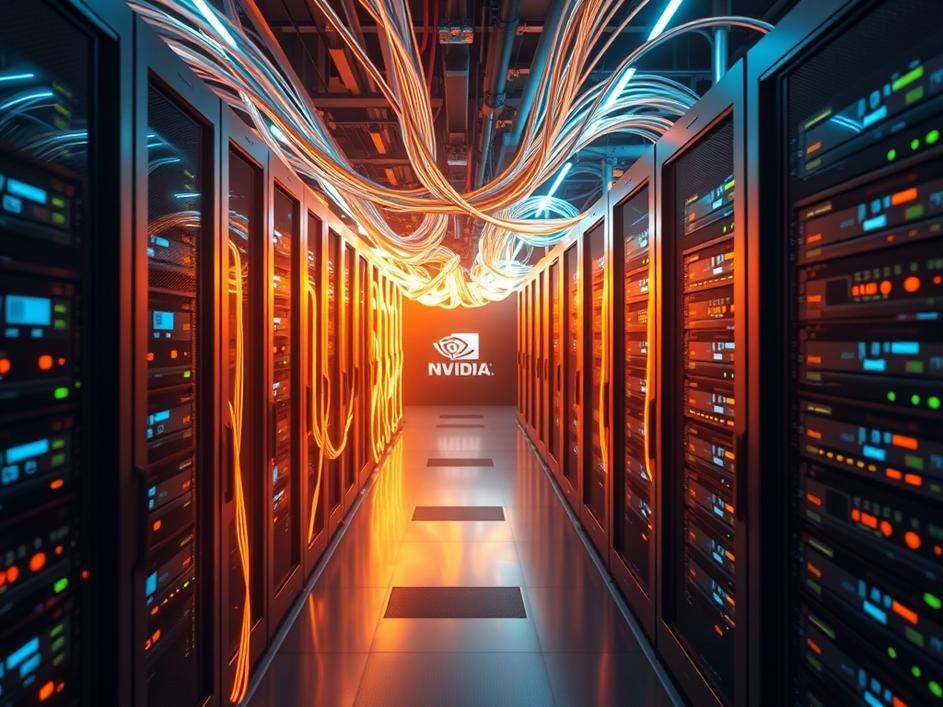
One of the biggest obstacles to Russia’s AI ambitions has been the impact of international sanctions. Following the invasion of Ukraine, many Western countries imposed severe economic sanctions on Russia, limiting its access to critical technologies and financial resources. This has had a devastating effect on the Russian tech industry, including the AI sector. Russian companies have found it difficult to import advanced hardware, such as high-end GPUs, which are essential for training AI models. Furthermore, many talented Russian AI researchers and engineers have left the country, seeking opportunities in countries with more favorable conditions and fewer restrictions. This “brain drain” has further weakened Russia’s AI capabilities.
Beyond sanctions, Russia’s AI development is also hampered by broader economic challenges and limited investment in research and development. Compared to the massive investments being made in the US and China, Russia’s financial commitment to AI is relatively small. The Russian government has allocated some funding, but it’s not enough to compete with the resources being poured into AI by other global powers. Moreover, the Russian economy is heavily reliant on natural resources, and there hasn’t been a significant shift towards investing in technology and innovation. This lack of investment is holding back the development of a robust AI ecosystem in Russia.
Despite the challenges, Russia does have some strengths in the field of AI. The country has a strong tradition in mathematics and computer science, producing generations of talented engineers and researchers. Russian universities have a solid reputation for technical education, and there is a pool of skilled individuals who could contribute to AI development. Additionally, Russia has made some progress in specific areas of AI, such as facial recognition technology and autonomous vehicles. However, these isolated successes are not enough to overcome the broader challenges and achieve the goal of AI supremacy. To truly compete, Russia needs to address the systemic issues that are holding back its AI sector, including sanctions, limited investment, and brain drain.
The path to AI supremacy may be out of reach for Russia in the near future, but that doesn’t mean the country should abandon its AI ambitions altogether. Instead, Russia needs to adopt a more realistic and focused approach. This could involve prioritizing specific areas where it has a competitive advantage, such as cybersecurity or defense-related AI applications. It could also involve fostering collaboration with other countries that are not subject to the same sanctions. The key is to focus on practical applications of AI that can benefit the Russian economy and society, rather than trying to compete head-to-head with the US and China in all areas of AI. Ultimately, Russia’s success in AI will depend on its ability to overcome the current challenges and create a supportive environment for innovation and technological development.
Putin’s initial vision of Russia dominating the AI landscape seems increasingly unrealistic. The combination of sanctions, economic constraints, and a talent exodus has significantly hampered the country’s progress. While Russia possesses some inherent strengths in technical education and specific AI applications, it needs to recalibrate its expectations and adopt a more pragmatic approach. Focusing on niche areas, fostering international collaborations where possible, and addressing the underlying economic and political issues will be crucial for Russia to remain a relevant player in the global AI race. The dream of AI supremacy may be fading, but a more focused and realistic AI strategy could still yield significant benefits for Russia in the long run.
Comments are closed