

We are a digital agency helping businesses develop immersive, engaging, and user-focused web, app, and software solutions.
2310 Mira Vista Ave
Montrose, CA 91020

2500+ reviews based on client feedback
What's Included?
ToggleArtificial intelligence is on everyone’s mind, and for good reason. We’re constantly hearing about how it can boost productivity in the workplace. The idea is that AI can automate tasks, analyze data faster, and generally make things more efficient. It seems like a dream come true for companies looking to improve their bottom line. And, in some ways, it is. AI definitely has the potential to streamline processes and free up employees to focus on more creative or strategic work.
But there’s a catch. Work isn’t just about maximizing output. It’s not just about how much we can produce in a given amount of time. It’s about people. It’s about connection, purpose, and the sense of accomplishment we get from doing a job well. If we focus solely on productivity, we risk losing sight of these crucial elements. It is very important to acknowledge this. When work becomes all about hitting targets and exceeding expectations, it can lead to burnout, stress, and a feeling of disconnection.
Think about it. What motivates you to go to work each day? Is it just the paycheck? Or is it also the relationships you have with your colleagues, the challenges you overcome, and the feeling that you’re contributing to something meaningful? For most people, it’s a combination of these things. And that human element is something that AI can’t replicate. While AI can automate tasks, it can’t replace the collaboration, empathy, and creativity that come from human interaction. Nor should we want it to.
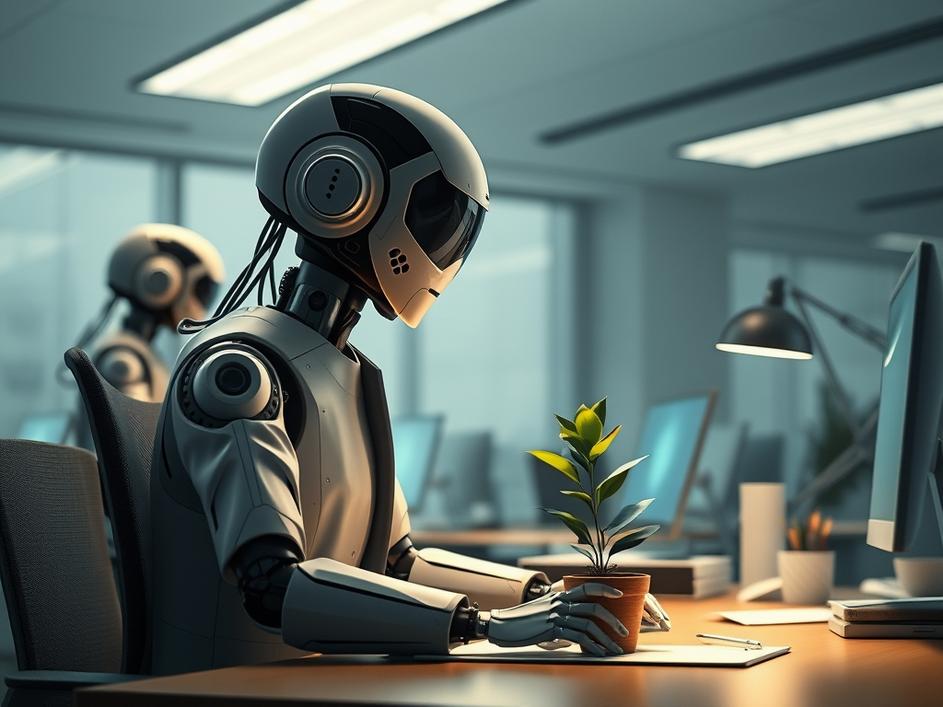
There’s a real danger that the relentless pursuit of productivity through AI could dehumanize the workplace. Imagine a scenario where every task is measured, every process is optimized, and every employee is treated as a cog in a machine. It doesn’t sound very appealing, does it? This kind of environment can stifle creativity, discourage innovation, and lead to a workforce that feels disengaged and unfulfilled. It would be terrible if our jobs were completely taken over by emotionless bots. It is important to consider this risk.
So, how do we strike the right balance? How do we harness the power of AI to boost productivity without sacrificing the human element of work? I think it starts with a shift in mindset. We need to stop viewing work solely as a means to an end and start recognizing its broader social and emotional dimensions. This means prioritizing employee well-being, fostering a culture of collaboration and creativity, and ensuring that everyone feels valued and respected.
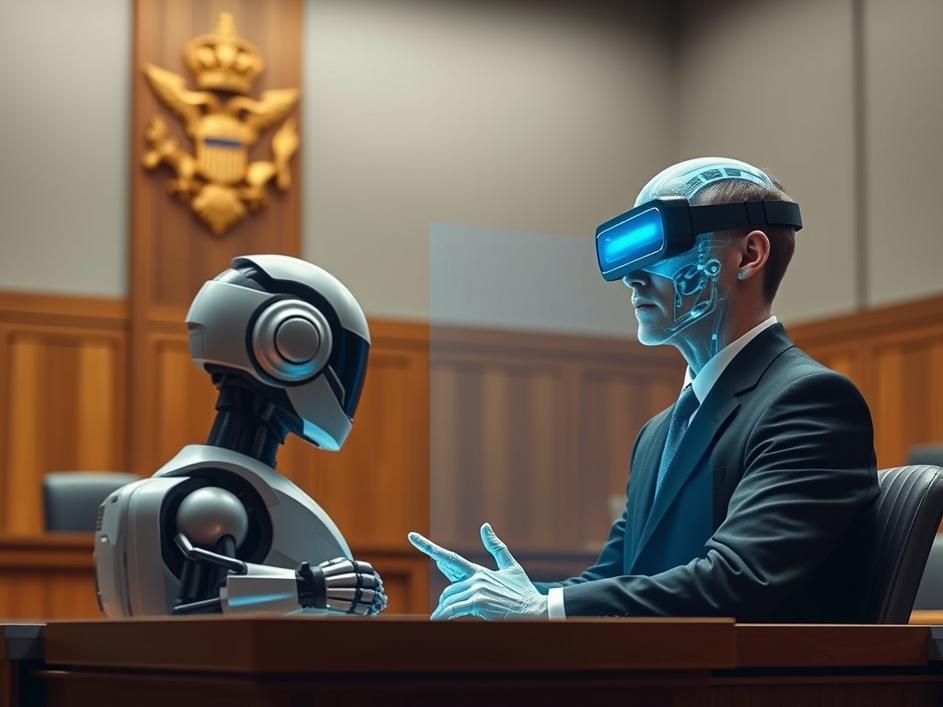
We also need to invest in training and development to help employees adapt to the changing nature of work. As AI takes over routine tasks, employees will need to develop new skills in areas like critical thinking, problem-solving, and communication. By investing in people, we can ensure that they remain relevant and engaged in the workforce. The best thing to do is to train people on how to work alongside AI.
Finally, we need to remember the importance of purpose. People want to feel like their work matters. They want to know that they’re making a difference in the world. By connecting employees to the broader purpose of the organization, we can inspire them to be more engaged, more creative, and more productive. And we can create a workplace that is not only efficient but also fulfilling.
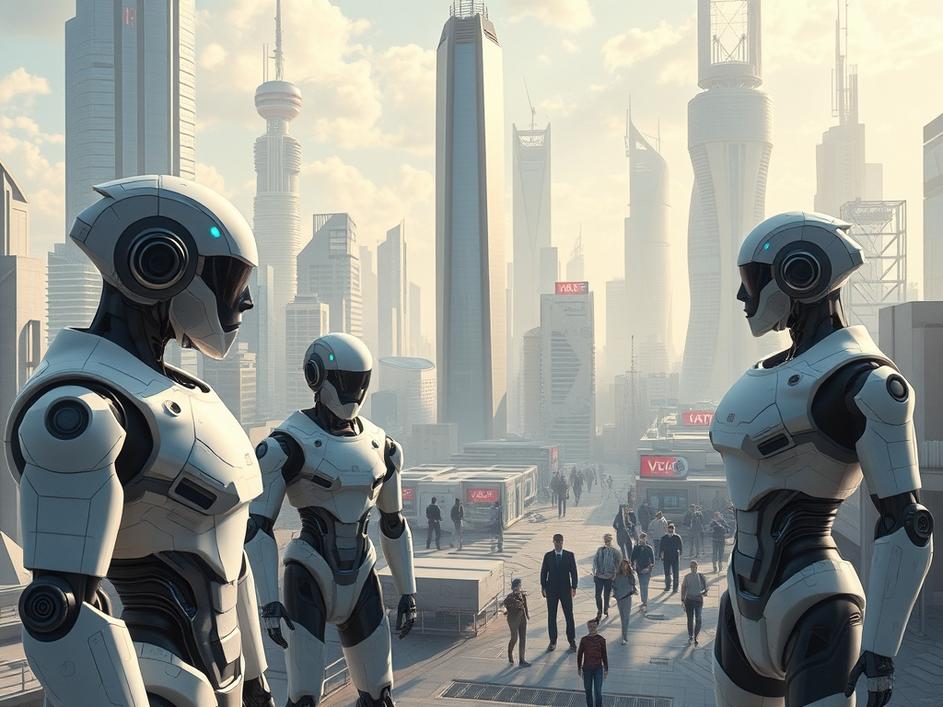
AI offers incredible opportunities to improve productivity and efficiency. But it’s crucial that we approach this technology with caution and awareness. We need to ensure that we’re using AI to enhance the human experience of work, not to replace it. By prioritizing people, purpose, and well-being, we can create a future of work that is both productive and fulfilling, a future where technology empowers us to be our best selves and do our best work. Work needs to be about more than just numbers and output.

Comments are closed