

We are a digital agency helping businesses develop immersive, engaging, and user-focused web, app, and software solutions.
2310 Mira Vista Ave
Montrose, CA 91020

2500+ reviews based on client feedback
What's Included?
ToggleArtificial intelligence is making its way into more and more aspects of our lives. From suggesting products we might like to driving our cars, AI algorithms are constantly making decisions that affect us. But what happens when these algorithms aren’t so sure of themselves? What happens when AI guesses, and those guesses turn out to be wrong? It turns out that those wrong guesses can be costly, and even dangerous.
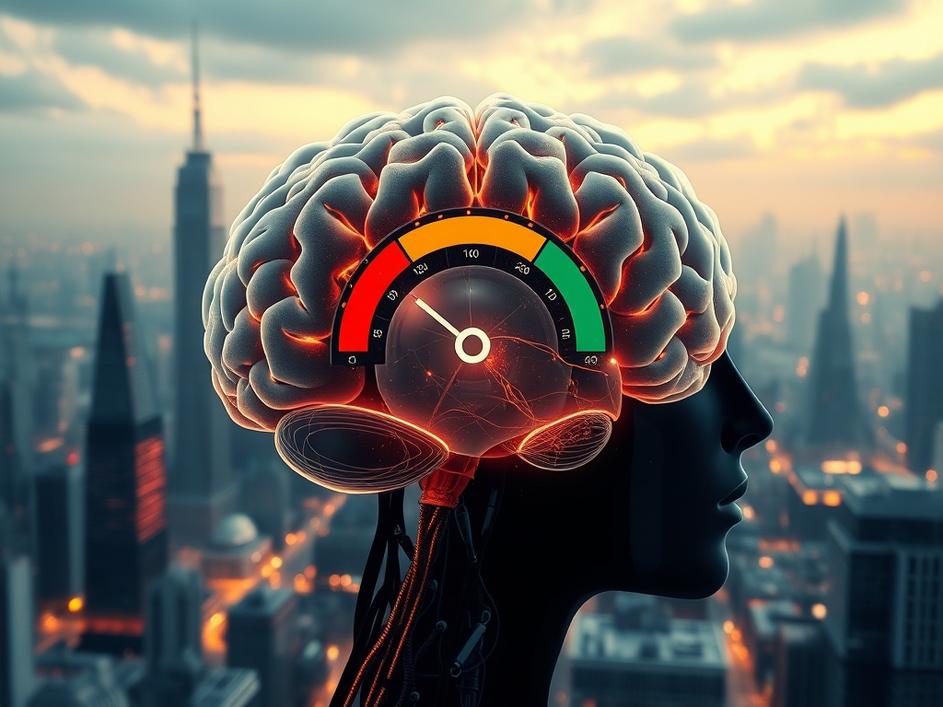
Enter Appier, a company that’s tackling this problem head-on. Appier has developed a system that allows AI agents to assess their own confidence levels before taking action. Think of it like this: instead of blindly following an algorithm’s recommendation, the system pauses and asks, “How sure are we about this decision?” If the confidence level is low, the system can flag the decision for human review or even take a different course of action altogether. It is a pretty cool idea.
So, how does Appier’s system actually work? It’s all about adding a layer of self-awareness to AI agents. By analyzing the data they’re working with, the algorithms can determine how reliable their predictions are. For example, if an AI is recommending a product to a customer based on limited information, it might have a low confidence level. On the other hand, if it has a wealth of data and a clear pattern emerges, its confidence level would be much higher. This confidence score then acts as a gatekeeper, preventing the AI from acting on uncertain information. This could dramatically reduce the chance for error.
The potential applications of this technology are vast. In marketing, it could prevent AI from targeting the wrong customers with irrelevant ads, saving companies money and improving customer satisfaction. In finance, it could help prevent fraudulent transactions by flagging suspicious activity that the AI isn’t entirely sure about. And in autonomous vehicles, it could prevent accidents by ensuring that the AI only makes decisions it’s confident in, especially in tricky situations. The benefits extend beyond just avoiding errors. By incorporating confidence assessments, AI systems can become more transparent and trustworthy. We’re able to see *why* an AI made a certain decision, and how confident it was in that decision. This level of transparency is crucial for building trust in AI and encouraging its widespread adoption.
But there’s another benefit. By identifying areas where AI lacks confidence, we can also identify areas where we need more data or better algorithms. The confidence score becomes a valuable feedback mechanism, guiding us toward improving the accuracy and reliability of AI systems. It’s not just about stopping AI from guessing; it’s about helping it learn and become more effective over time. The integration of confidence metrics could lead to more robust and dependable AI solutions.
Appier’s confidence assessment technology represents a significant step forward in the responsible development and deployment of AI. As AI becomes more integrated into our lives, it’s crucial that we prioritize safety, transparency, and reliability. By giving AI agents the ability to assess their own confidence levels, we can mitigate the risks associated with overconfident algorithms and build AI systems that are truly trustworthy. This isn’t just about making AI smarter; it’s about making it more human, or at least, more self-aware.
Of course, implementing confidence assessment isn’t without its own set of considerations. How do we define the right confidence thresholds? What happens when an AI is overly cautious and refuses to act even when it should? These are questions that we need to grapple with as we continue to develop and refine this technology. It’s vital to consider the biases that might be baked into the algorithms themselves. For example, if the data used to train the AI is biased, the confidence scores could also reflect those biases. This means that confidence assessment should not be seen as a silver bullet, but rather as one tool in a larger toolkit for responsible AI development.
Ultimately, Appier’s work highlights a critical shift in the AI landscape. We’re moving beyond simply building AI systems that can perform complex tasks to building AI systems that are aware of their own limitations. This is a crucial step toward creating AI that is not only powerful but also safe, reliable, and trustworthy. In a world increasingly shaped by algorithms, that’s a goal worth striving for. As AI continues to evolve, the ability for these systems to understand their own confidence levels will become increasingly essential. It’s a sign that the field is maturing and moving toward more responsible and ethical development practices, and that’s a good thing.



Comments are closed