

We are a digital agency helping businesses develop immersive, engaging, and user-focused web, app, and software solutions.
2310 Mira Vista Ave
Montrose, CA 91020

2500+ reviews based on client feedback
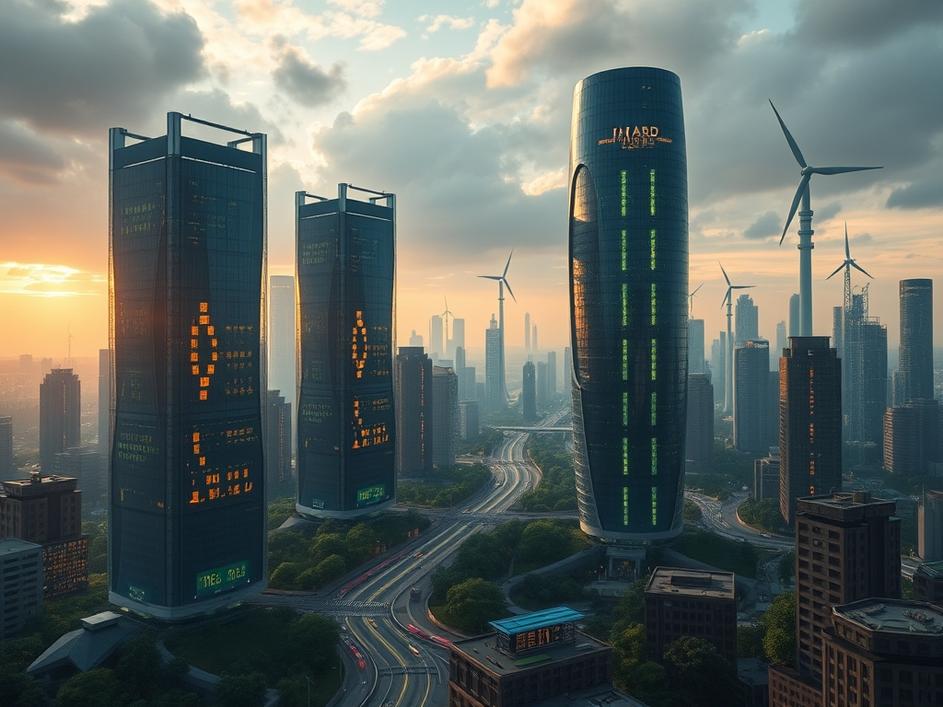
The buzz around artificial intelligence is everywhere, and with it comes plenty of debate about how we should manage its growth. Recently, Senator Bernie Sanders proposed a moratorium on new AI data centers, raising concerns about their impact on energy consumption and communities. But Michael Dell, the CEO of Dell Technologies, isn’t on board. In a recent interview, Dell made it clear that he thinks putting the brakes on AI data centers is “not a great idea.” This difference in opinion highlights the complex questions surrounding AI development and its real-world effects.
Sanders’ proposal likely stems from the very real concerns about the massive amounts of energy that AI data centers require. Training AI models and keeping these centers running takes a lot of power, which can strain resources and potentially increase carbon emissions. It’s a valid point, and finding sustainable solutions is crucial. However, Dell likely believes that a complete freeze would stifle innovation and prevent us from realizing the potential benefits of AI.
The core of this debate boils down to how we balance innovation with responsible regulation. Too much regulation can hinder progress and push development overseas. Too little, and we risk overlooking the potential negative consequences of unchecked growth. Dell likely sees a moratorium as a drastic measure that would throw the baby out with the bathwater. Instead, he probably favors a more nuanced approach that encourages energy efficiency and addresses community concerns without halting progress altogether.
Beyond the energy concerns, there’s also the economic impact to consider. AI data centers represent significant investments and create jobs. A moratorium could put a damper on these opportunities, potentially harming local economies and slowing down overall economic growth. Dell, as a major player in the tech industry, is likely very aware of these economic implications. Dell likely believes that AI will drive economic growth, innovation, and is important to the US economy.
So, what’s the right answer? It’s probably somewhere in the middle. We need to find ways to mitigate the environmental impact of AI data centers, perhaps through investments in renewable energy or the development of more energy-efficient technologies. We also need to ensure that communities are involved in the decision-making process and that their concerns are addressed. A blanket moratorium might not be the best solution, but neither is ignoring the potential downsides of rapid AI development. What is really needed is better regulation and oversight on the building of data centers, as well as where they can be built.
It’s important to consider why Dell would take such a strong stance against the moratorium. Dell Technologies is a major provider of the hardware and software that powers these data centers. Slowing down their growth would directly impact Dell’s business. But it’s probably more than just that. Dell, like many in the tech industry, likely believes that AI has the potential to solve some of the world’s biggest problems, from climate change to healthcare. Stifling that potential would be a loss for everyone.
The interview also touched on Trump accounts. While the AI moratorium was the central focus, the conversation also ventured into the realm of social media and freedom of speech. The interviewer asked Michael Dell about the potential reinstatement of former President Trump’s accounts on social media platforms. This tangential topic highlights the broader discussions happening around technology and its role in shaping public discourse. It’s a complex issue with strong opinions on both sides.
The debate over AI data centers and their future is far from over. It’s a complex issue with no easy answers. We need a collaborative approach that brings together policymakers, industry leaders, and community members to find solutions that are both sustainable and beneficial. A moratorium might grab headlines, but it’s unlikely to be the best way to ensure a responsible and innovative future for artificial intelligence. Instead of an all-out ban, a more targeted and thoughtful approach is needed. One that promotes energy efficiency, protects communities, and allows us to harness the immense potential of AI for the benefit of all.


Comments are closed