

We are a digital agency helping businesses develop immersive, engaging, and user-focused web, app, and software solutions.
2310 Mira Vista Ave
Montrose, CA 91020

2500+ reviews based on client feedback
What's Included?
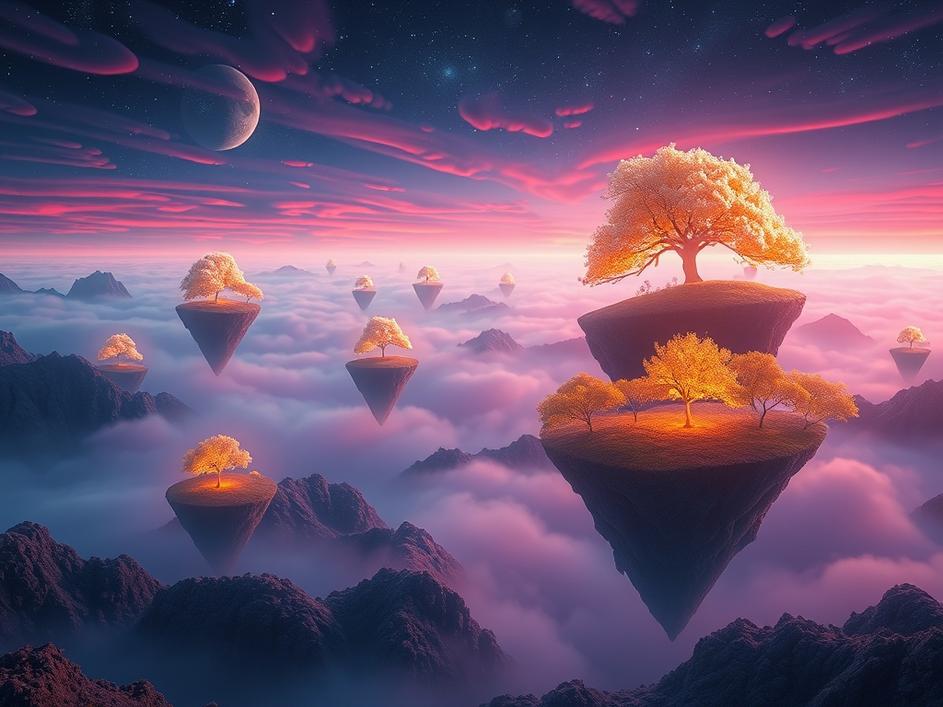
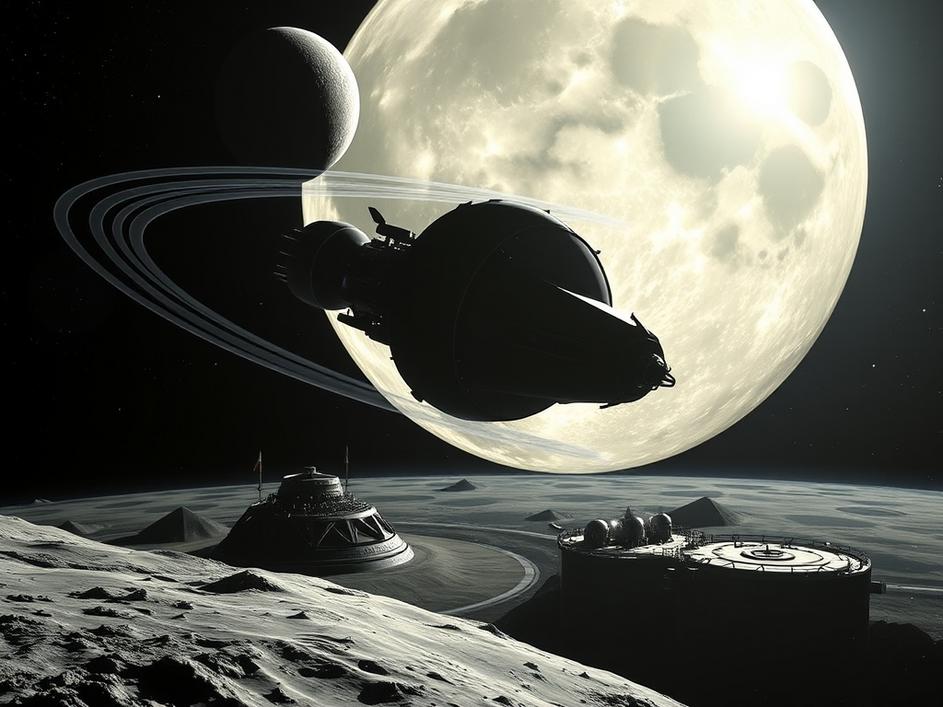
ToggleArtificial intelligence is rapidly changing how we create and consume art. It feels like every week there’s a new tool or technique emerging, blurring the lines between human creativity and algorithmic precision. The recent buzz around platforms like Stable Diffusion has sparked a wave of experimentation, leading artists and hobbyists alike to explore the possibilities of AI-generated imagery. One such exploration, shared on Reddit under the title “Z-Image , i’m done,” showcases a fascinating blend of different AI tools to produce a visually stunning sequence. This is more than just playing around; it’s art in its rawest form.
At the heart of this project lies a combination of three key elements: Z-Image, Nano B, and Kling. Z-Image appears to be the foundation, used to generate the initial images that serve as the starting point for the artistic journey. Nano B then steps in, providing the tools for editing and refining these initial creations, as well as adding supplementary scenes to enrich the overall narrative. Finally, Kling enters the picture, presumably contributing its own unique capabilities to finalize and polish the sequence. It’s akin to a digital relay race, where each AI tool hands off the baton, adding its unique touch to the evolving artwork. The beauty of this collaborative approach lies in its ability to overcome the limitations of any single AI model, resulting in a richer, more nuanced final product.
The original poster described the project as “just a simple sequence done for fun.” But this description belies the complexity and artistry that is evident in the final product. The sequence, while perhaps simple in its conception, demonstrates the potential of AI to create compelling visual narratives. It’s a testament to the fact that impactful art doesn’t always require elaborate concepts or intricate storylines. Sometimes, the most captivating works are those that embrace simplicity and allow the visuals to speak for themselves. This project showcases that constraint can be a powerful creative tool, fostering innovation and leading to unexpected artistic outcomes.
While the AI tools play a crucial role in the creation process, it’s important to remember that they are merely instruments in the hands of the artist. The true driving force behind any AI-generated artwork is the artist’s vision, their ability to conceive an idea and guide the AI towards its realization. It’s the artist who chooses the initial prompts, selects the appropriate editing techniques, and ultimately decides when the artwork is complete. In this sense, AI art is not about replacing human creativity, but rather augmenting it, providing artists with new tools and techniques to express their ideas. The artist needs to be able to guide the AI to create what they imagine; otherwise, it’s a mess.
The “Z-Image , i’m done” project offers a glimpse into the future of art creation, where AI and human creativity work in harmony. As AI tools continue to evolve and become more accessible, we can expect to see even more artists experimenting with these technologies, pushing the boundaries of what’s possible. This will undoubtedly lead to new forms of art that we can barely imagine today. The key will be to embrace these tools not as replacements for human artists, but as collaborators, empowering them to create even more compelling and innovative works. And as these tools become more commonplace, expect new ethical questions to surface. Copyright will be a particularly thorny problem.
One of the most exciting aspects of AI art is its potential to democratize creativity. Traditionally, creating art required specialized skills and access to expensive equipment. However, AI tools are making it possible for anyone to create high-quality images and videos, regardless of their technical abilities or financial resources. This opens up new avenues for self-expression and allows individuals to share their unique visions with the world. It has never been easier to be a creator; expect a lot more people to show their creative side!
The combination of Z-Image, Nano B, and Kling represents a significant step forward in the evolution of AI-assisted art. It showcases the power of combining different AI tools to achieve a desired artistic outcome, and it highlights the importance of the artist’s vision in guiding the creative process. As AI technology continues to advance, we can expect to see even more innovative approaches to art creation, blurring the lines between human and artificial intelligence. This is an exciting time for artists and art enthusiasts alike, as we embark on a new era of artistic exploration.
The simple sequence born from Z-Image, Nano B, and Kling is a powerful reminder that art can emerge from unexpected places. It shows how quickly the technology is evolving and just how accessible these tools are becoming. The future of art is being written now, and the possibilities are limitless. It will be exciting to see what artists create as these tools continue to get better and better!
Comments are closed