

We are a digital agency helping businesses develop immersive, engaging, and user-focused web, app, and software solutions.
2310 Mira Vista Ave
Montrose, CA 91020

2500+ reviews based on client feedback
What's Included?
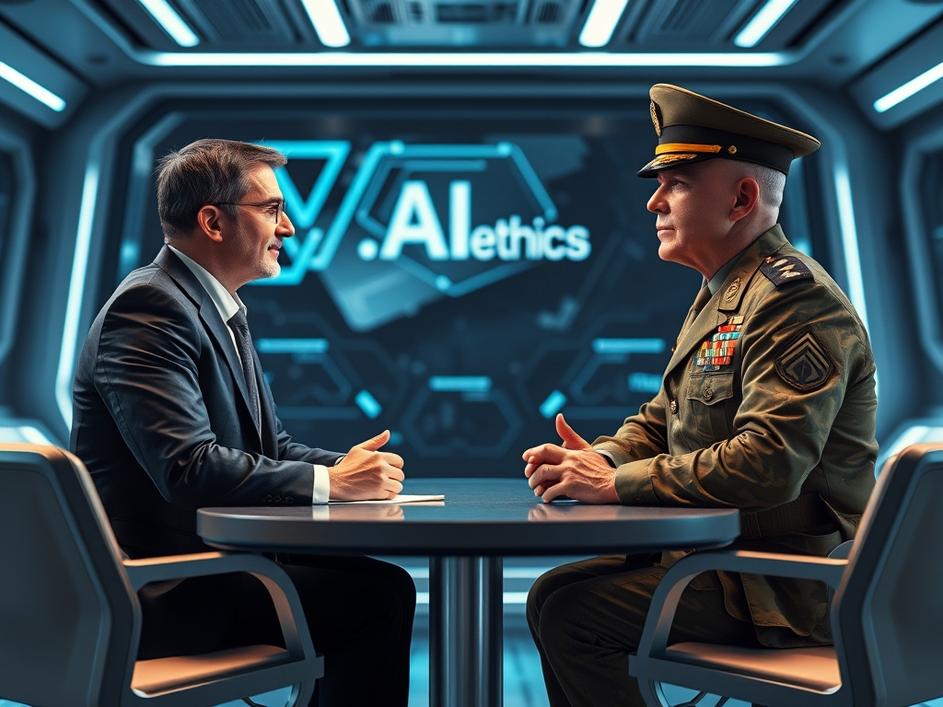
ToggleAnthropic, a leading AI safety and research company, is locked in a tense disagreement with the Pentagon over safeguards built into its AI systems. The Department of Defense reportedly wants Anthropic to remove certain safety measures, a request the company has firmly rejected. This clash highlights the growing pains as AI becomes more integrated into sensitive areas like national security, and raises crucial questions about the ethical boundaries of AI development and deployment.
The core of the issue is the potential for AI systems to be misused or to operate in unintended ways, particularly in high-stakes military applications. AI systems can make decisions faster than humans, analyze vast amounts of data, and operate in environments too dangerous for people. However, without proper safeguards, these systems could also make errors with devastating consequences, discriminate unfairly, or be vulnerable to manipulation. Anthropic has invested heavily in techniques like constitutional AI to ensure its models are aligned with human values and avoid harmful outputs, and they’re understandably hesitant to compromise on these principles.
It’s easy to see the Pentagon’s side, too. The military is actively exploring how AI can enhance its capabilities, from intelligence gathering and threat analysis to autonomous vehicles and weapons systems. They likely see safeguards as potential obstacles to innovation and speed of deployment. In a rapidly evolving geopolitical landscape, the US military wants to maintain its technological edge, and might believe that overly cautious AI development could put them at a disadvantage. Additionally, some argue that safeguards could make AI systems less effective in certain situations, hindering their ability to perform critical tasks.
This dispute also touches on the issue of control and responsibility. Who decides what safeguards are necessary and appropriate for AI systems used in military contexts? Should it be the developers of the AI, the end-users in the military, or some independent oversight body? These questions are complex and don’t have easy answers. Ultimately, it boils down to who bears the responsibility when an AI system makes a mistake or causes harm. If Anthropic removes safeguards at the Pentagon’s request and something goes wrong, who is accountable?
This situation has broader implications for the field of AI ethics. As AI becomes more powerful and pervasive, there will inevitably be more clashes between developers who prioritize safety and organizations that prioritize performance or other objectives. The Anthropic-Pentagon disagreement serves as a reminder that AI ethics isn’t just an academic exercise; it’s a real-world challenge with significant consequences. It emphasizes the need for clear ethical guidelines, robust oversight mechanisms, and open dialogue about the risks and benefits of AI. Companies need to consider carefully what their responsibilities are if they do AI work for organizations that might use the models in ways that violate the companies’ principles. Can a company refuse to allow its technology to be used in applications it deems unethical? This situation suggests this is possible, but not without creating conflict.
While the conflict is ongoing, hopefully a mutually acceptable path forward can be found. Perhaps that path involves a more nuanced approach to safeguards, where certain measures are selectively removed or modified based on specific use cases and risk assessments. Perhaps there are ways to improve the safeguards to make them more effective while also minimizing their impact on performance. Maybe there are certain use cases that are simply too dangerous for AI at this point. Or maybe the path involves Anthropic digging in its heels and refusing to work with the Pentagon. Whatever the solution, it’s essential that all stakeholders prioritize safety and ethical considerations, and engage in open and transparent communication.
The outcome of this dispute could set a significant precedent for future collaborations between AI companies and government agencies. If Anthropic caves to pressure from the Pentagon, it could signal that safety is secondary to other concerns. On the other hand, if Anthropic stands its ground, it could empower other AI companies to prioritize ethics and resist demands that compromise safety. This is a pivotal moment that could shape the future of responsible AI development.
This situation underscores the importance of ongoing public discourse about AI ethics. As AI becomes more integrated into our lives, it’s crucial that we have open and honest conversations about the potential risks and benefits. We need to develop a shared understanding of what constitutes responsible AI development and deployment, and we need to hold both companies and governments accountable for adhering to ethical principles. The future of AI depends on our ability to navigate these complex ethical challenges thoughtfully and responsibly.

Comments are closed