

We are a digital agency helping businesses develop immersive, engaging, and user-focused web, app, and software solutions.
2310 Mira Vista Ave
Montrose, CA 91020

2500+ reviews based on client feedback
What's Included?
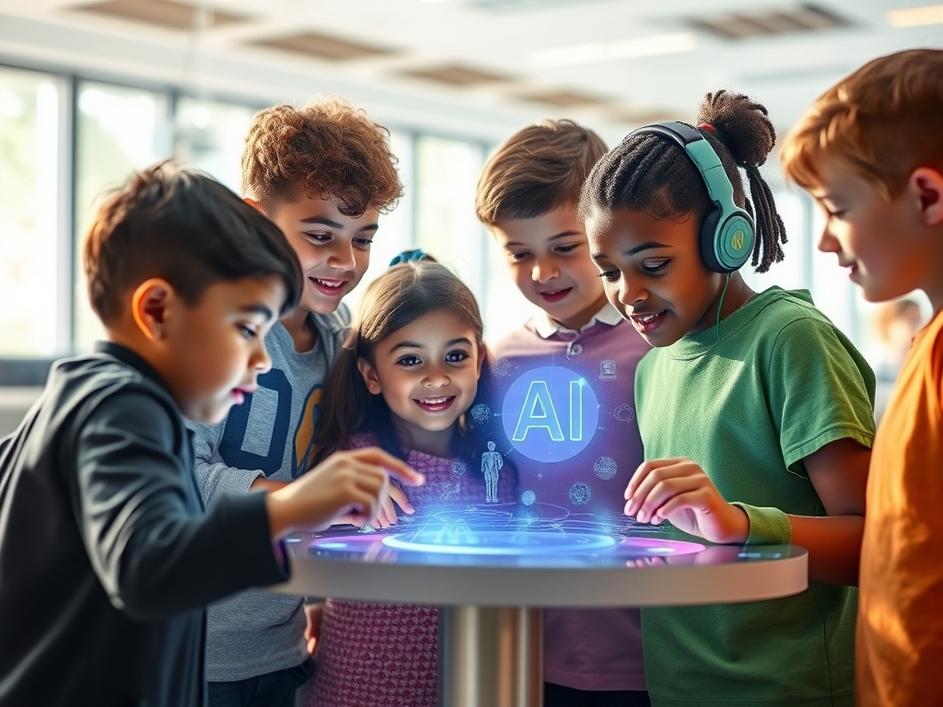
ToggleArtificial intelligence. The term conjures up images of robots taking over the world, or complex algorithms that only computer scientists can understand. But the reality is, AI is already deeply embedded in our lives, from the way we search the internet to the recommendations we get on streaming services. And, as Thomas Davin, Director of UNICEF’s Global Office of Innovation points out, AI has the potential to be a powerful force for good, especially when it comes to helping children.
UNICEF isn’t just sitting on the sidelines, watching the AI revolution unfold. They’re actively involved in shaping its direction, ensuring that AI benefits the world’s most vulnerable children. Davin emphasizes the importance of responsible AI development, focusing on ethical considerations, data privacy, and inclusivity. It’s about making sure AI tools are designed and used in a way that protects children’s rights and promotes their well-being.
So, how is UNICEF using AI in practice? Davin gives some compelling examples. Imagine using AI to predict disease outbreaks, allowing healthcare workers to respond quickly and effectively. Or, think about using AI to personalize education, tailoring learning experiences to meet the unique needs of each child. AI can also help identify children at risk of violence or exploitation, enabling timely interventions and support. These are just a few of the ways AI is being used to tackle some of the most pressing challenges facing children today.
One of the key takeaways from Davin’s perspective is the importance of collaboration. UNICEF recognizes that no single organization can solve these complex problems alone. They’re actively working with governments, researchers, businesses, and civil society organizations to share knowledge, develop common standards, and build open-source AI tools. This collaborative approach ensures that AI solutions are accessible to everyone, not just the privileged few.
Of course, AI also presents risks and challenges. Bias in algorithms can perpetuate inequalities, and data privacy is a major concern. Davin acknowledges these challenges and stresses the need for careful consideration and proactive measures. It’s crucial to ensure that AI systems are fair, transparent, and accountable, and that children’s data is protected at all times. This requires ongoing dialogue, ethical frameworks, and robust regulatory oversight.
Davin’s insights highlight the potential of AI as a powerful tool for improving the lives of children around the world. From predicting disease outbreaks to personalizing education, AI offers innovative solutions to some of the most pressing challenges facing young people. But it’s not just about technology. It’s about people – the researchers, developers, policymakers, and advocates who are working together to ensure that AI is used responsibly and ethically.
After hearing Davin speak, I feel a sense of cautious optimism. The potential for AI to do good is enormous, but it requires a commitment to ethical principles and a willingness to address the risks. UNICEF’s leadership in this area is crucial, and their emphasis on collaboration and open-source solutions is particularly encouraging. It’s a reminder that technology is just a tool, and it’s up to us to decide how we use it. If we prioritize the well-being of children and work together to build a more equitable and inclusive world, AI can be a force for positive change.
The future of AI is not predetermined. It’s being shaped by the decisions we make today. As individuals, we can educate ourselves about AI and its potential impact. As policymakers, we can develop regulations that protect children’s rights and promote responsible innovation. As businesses, we can prioritize ethical considerations and invest in AI solutions that benefit society. And as a global community, we can work together to ensure that AI empowers children to reach their full potential.
AI’s role extends beyond just helping children; it touches on broader global development goals. Consider how AI-powered systems can optimize resource allocation in humanitarian aid, ensuring that assistance reaches those who need it most efficiently. Or think about AI’s potential to accelerate progress in areas like clean energy and sustainable agriculture, contributing to a healthier planet for future generations. The responsible development and deployment of AI is not just a technological imperative; it’s a moral one.
Ultimately, the future of AI depends on our ability to collaborate across disciplines and sectors. We need experts in AI, ethics, law, and child development to come together and address the complex challenges and opportunities that AI presents. We need to foster open dialogue and share knowledge to ensure that AI is used in a way that is both innovative and responsible. And we need to empower children themselves to be active participants in shaping the future of AI, ensuring that their voices are heard and their needs are met.


Comments are closed