

We are a digital agency helping businesses develop immersive, engaging, and user-focused web, app, and software solutions.
2310 Mira Vista Ave
Montrose, CA 91020

2500+ reviews based on client feedback
What's Included?
ToggleArtificial intelligence. It sounds like something out of a sci-fi movie, right? But it’s becoming a bigger and bigger part of our everyday lives, including how we learn. And for students, understanding AI isn’t just about knowing cool tech; it’s about preparing for the future. The world is changing fast, and AI is one of the main drivers of that change. So, let’s break down what AI means for you, the student.
When you hear “artificial intelligence,” you might picture robots taking over the world. But AI is much broader than that. At its core, AI is about teaching computers to think and learn like humans. This can involve things like recognizing patterns, solving problems, and even understanding language. Think about the spam filter on your email. That’s AI at work, learning to identify and filter out unwanted messages. Or consider the voice assistant on your phone. That’s AI understanding your commands and responding accordingly.
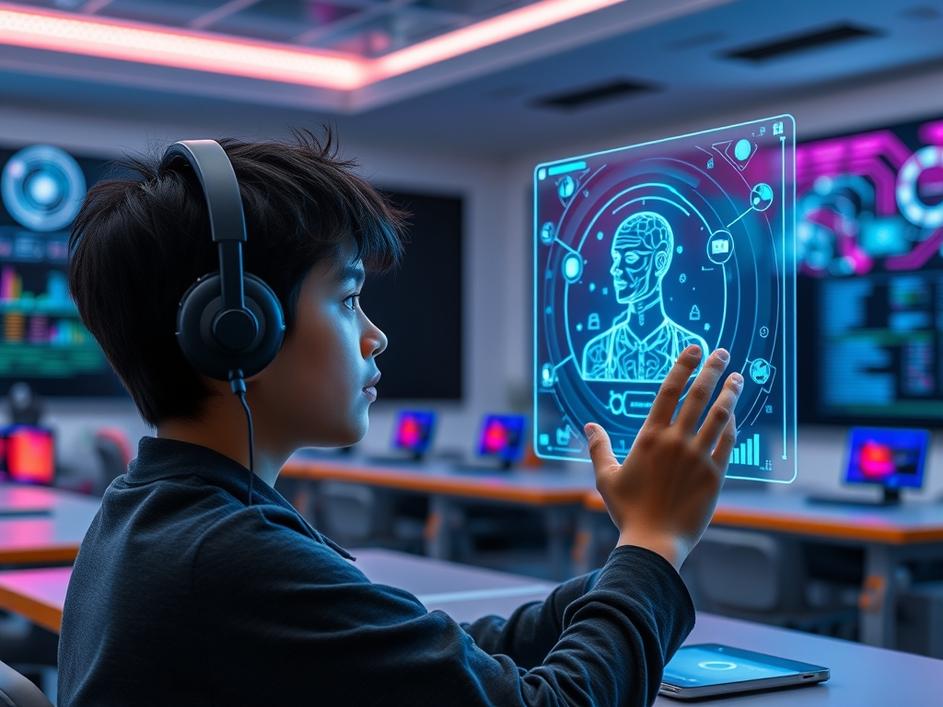
You might be surprised to know that AI is already being used in education in many ways. For example, some educational software uses AI to personalize learning experiences. It can track your progress, identify areas where you’re struggling, and then adjust the difficulty level or offer extra support. This means you get a learning experience that’s tailored specifically to your needs. Another example is AI-powered tutoring systems. These systems can provide students with personalized feedback and guidance, helping them to improve their understanding of various subjects. Think of it as having a virtual tutor available 24/7.
So, why is everyone so excited about AI in education? Well, it offers several potential advantages. First, as we mentioned, it can personalize learning, making it more effective and engaging. Instead of a one-size-fits-all approach, AI can adapt to each student’s unique learning style and pace. Second, AI can help to free up teachers’ time. By automating tasks like grading and administrative work, AI can allow teachers to focus more on what they do best: interacting with students and providing them with individualized support. Third, AI can make education more accessible. Online learning platforms powered by AI can provide students with access to educational resources and opportunities, regardless of their location or background.
Of course, there are also challenges and concerns associated with using AI in education. One concern is data privacy. AI systems collect vast amounts of data about students, and it’s important to ensure that this data is protected and used responsibly. Another concern is the potential for bias. AI algorithms are trained on data, and if that data reflects existing biases, the algorithms may perpetuate those biases. This could lead to unfair or discriminatory outcomes. It’s important to make sure the training data for AI is fair and representative of diverse populations. Also, some people worry that over-reliance on AI could diminish the role of human teachers. While AI can be a valuable tool, it’s important to remember that human interaction and guidance are still essential for effective learning.
So, what does all of this mean for you as a student? First, it means that you’ll need to develop a solid understanding of AI. This doesn’t necessarily mean becoming an AI expert, but it does mean understanding the basic concepts and principles. Second, you’ll need to develop critical thinking skills. As AI becomes more prevalent, it will be increasingly important to be able to evaluate information critically and to distinguish between reliable and unreliable sources. Third, you’ll need to be adaptable and willing to learn new things. The world is changing rapidly, and the skills that are in demand today may not be in demand tomorrow. So, it’s important to be prepared to adapt to new technologies and new ways of working. Embrace lifelong learning; never stop being curious.
Looking ahead, AI is likely to play an even bigger role in education. We can expect to see more personalized learning experiences, more AI-powered tutoring systems, and more online learning platforms that use AI to enhance the learning process. We may also see new and innovative applications of AI that we can’t even imagine today. It’s an exciting time to be a student, and by embracing AI and developing the skills you’ll need to succeed in the future, you can position yourself for a bright and fulfilling career.
The best way to prepare for this AI-driven future? Stay informed. Read articles, follow blogs, and attend workshops to learn more about AI and its potential impact on education. Ask questions. Don’t be afraid to ask your teachers, your parents, or your friends about AI. Get involved. Look for opportunities to participate in AI-related projects or activities. And remember, AI is a tool. Like any tool, it can be used for good or for bad. It’s up to us to ensure that AI is used to create a more equitable and sustainable future for all.
Artificial intelligence is rapidly changing the landscape of education, offering personalized learning experiences, automating administrative tasks, and enhancing accessibility. While challenges related to data privacy, bias, and the role of human teachers exist, understanding and embracing AI is crucial for students today. By developing critical thinking skills, staying informed, and actively participating in AI-related activities, students can prepare themselves for a future where AI plays an increasingly significant role, ultimately contributing to a more equitable and innovative educational environment.



Comments are closed