

We are a digital agency helping businesses develop immersive, engaging, and user-focused web, app, and software solutions.
2310 Mira Vista Ave
Montrose, CA 91020

2500+ reviews based on client feedback

What's Included?
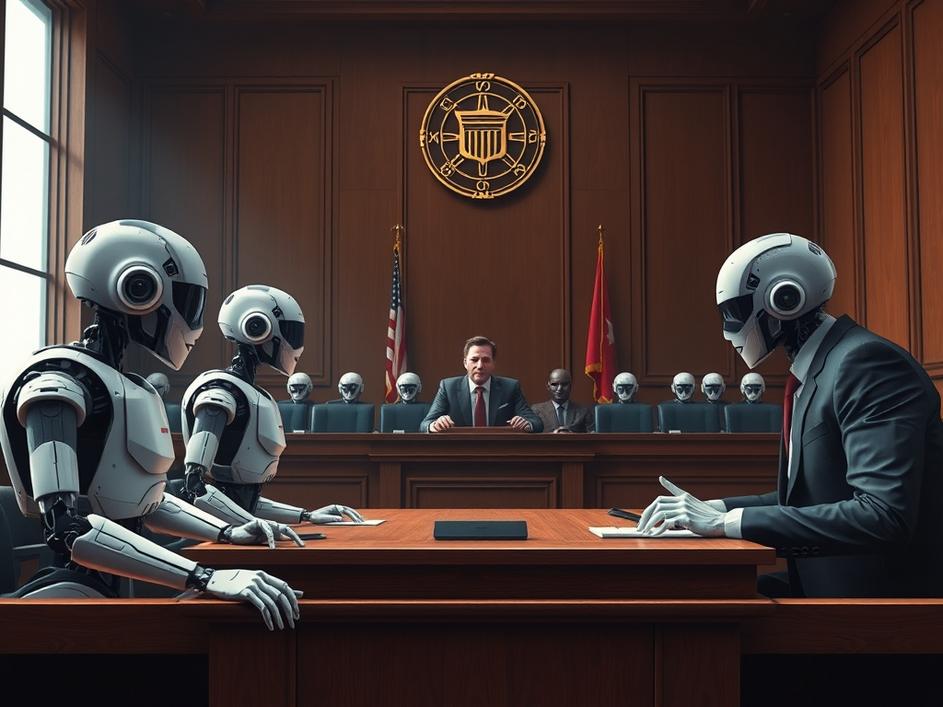
ToggleArtificial intelligence is making waves in pretty much every corner of our lives, and the job market is no exception. We’re not just talking about robots replacing factory workers anymore. Now, AI is getting involved in creating job postings themselves, leading to what some are calling “ghost jobs.” These are positions that are advertised but either don’t really exist in the way they’re presented, or are filled internally without a real external search. Congressman Mark DeSaulnier recently raised concerns about this during a House Committee on Education and the Workforce hearing, questioning how we can even begin to regulate something so new and rapidly evolving.
Think of it this way: a company might use AI to generate a job description that sounds amazing, packed with buzzwords and promises of growth. But behind the scenes, the role might be significantly different, or the company might already have someone in mind for the position. Sometimes, companies post jobs just to gauge the market, gather resumes, or give the appearance of growth, even if they aren’t actively hiring. AI makes it easier and faster to create these phantom listings, potentially flooding job boards with misleading information. This wastes job seekers’ time and creates frustration, making the already difficult process of finding a job even more disheartening.
DeSaulnier’s question about regulation hits at the heart of the issue. How do you regulate something that’s constantly changing? AI development is moving at warp speed, and our legal frameworks often struggle to keep pace. Trying to define what constitutes a “ghost job” and then crafting rules around it is a challenge. Would it be the responsibility of the companies posting the jobs? The job boards hosting them? Or some new regulatory body? And how would you even enforce such regulations, especially when AI can make it difficult to distinguish between a genuine and a disingenuous posting?
Beyond the practical challenges of regulation, there are ethical considerations. Is it fair to use AI to create job postings that might be misleading or designed to attract candidates for roles that don’t truly exist? What responsibility do companies have to be transparent about their hiring practices, especially when using AI? Many argue that transparency is key. Companies should be upfront about their use of AI in the hiring process, and job seekers should be wary of postings that seem too good to be true. This also puts a greater onus on job boards to develop ways to identify and flag potentially misleading listings, helping to protect job seekers from wasting their time on phantom opportunities.
This whole situation underscores the need for enhanced critical thinking skills, especially in the digital age. Job seekers need to be savvier about evaluating job postings, researching companies, and networking to get a clearer picture of available opportunities. It’s no longer enough to simply apply for every job that looks interesting. Candidates need to dig deeper, ask tough questions during interviews, and be prepared to walk away if something doesn’t feel right. We also need greater media literacy, helping people understand how AI is being used in different contexts and how to identify potential biases or deceptive practices. This isn’t just about finding a job; it’s about navigating a world increasingly shaped by artificial intelligence.
The rise of AI-driven ghost jobs is a symptom of a larger shift in the labor market. AI is automating tasks, changing job requirements, and creating new kinds of work. We need to adapt to this new landscape by investing in education and training programs that equip people with the skills they need to succeed in an AI-driven economy. This includes not just technical skills, but also critical thinking, problem-solving, and communication skills. Furthermore, we need to have a broader societal conversation about the role of AI in the workplace and how we can ensure that it benefits everyone, not just a select few. If AI is going to generate some of the jobs, humans should focus on how it can improve conditions in other professions.
Ultimately, addressing the issue of AI-driven ghost jobs requires a multi-pronged approach. It’s a combination of sensible regulation, ethical guidelines for companies, increased transparency in hiring practices, and empowered job seekers who are equipped to navigate the complexities of the modern job market. We can’t simply ignore the problem or hope that it will go away. We need to proactively address the challenges and opportunities presented by AI, ensuring that the future of work is fair, equitable, and beneficial for all.
AI is reshaping the job market, but it’s not a foregone conclusion that it will lead to negative outcomes. By staying informed, demanding transparency, and advocating for responsible AI practices, we can help shape a future where AI enhances, rather than hinders, our opportunities. The question isn’t whether AI will play a role in hiring, but how we can ensure that its role is fair, transparent, and ultimately beneficial for job seekers and the economy as a whole. As AI advances it is imperative that we stay vigilant and proactive in addressing the challenges and maximizing the opportunities it presents.


Comments are closed