

We are a digital agency helping businesses develop immersive, engaging, and user-focused web, app, and software solutions.
2310 Mira Vista Ave
Montrose, CA 91020

2500+ reviews based on client feedback
What's Included?
ToggleGeoffrey Hinton, a name synonymous with artificial intelligence, recently offered a surprisingly optimistic perspective amidst growing concerns about AI’s potential downsides. He singled out Alpha School, an institution focused on personalized learning, as a “beacon of optimism.” This endorsement, coming from someone who has spent decades at the forefront of AI development and is now vocal about its risks, carries significant weight. It suggests that even as we grapple with the challenges AI presents, there are educational models that can help us navigate the future responsibly. It seems that focusing on the individual, a distinctly human endeavor, might be our best bet.
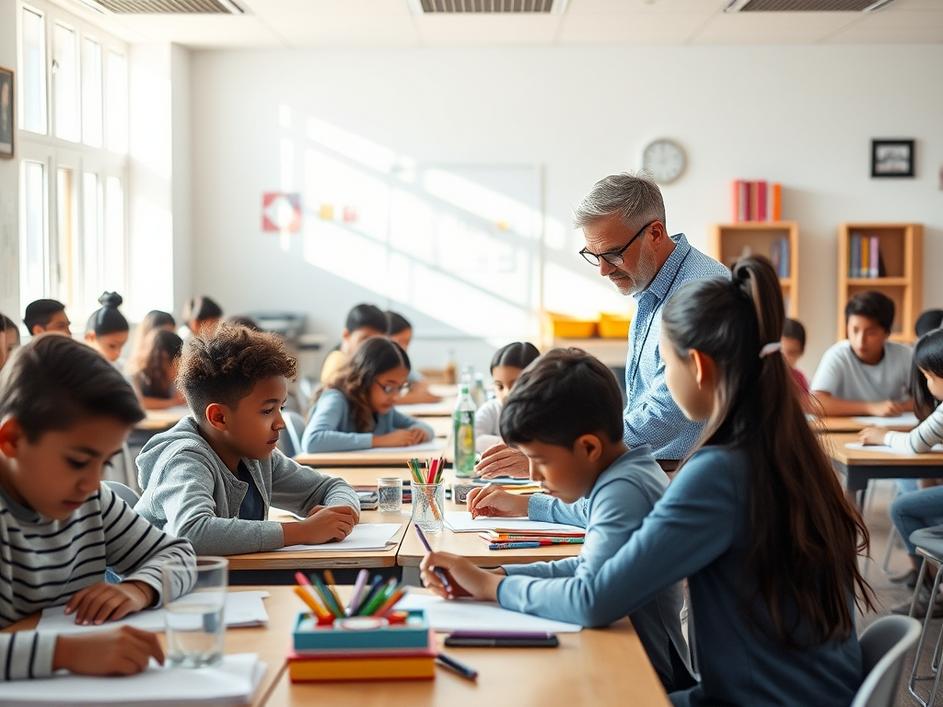
So, what makes Alpha School so special in Hinton’s eyes? The answer likely lies in its commitment to personalized learning. This approach moves away from the traditional one-size-fits-all education system. Instead, it tailors the learning experience to each student’s unique needs, interests, and learning style. Think of it as bespoke education, crafted to nurture individual talents and address specific weaknesses. This can involve adaptive software that adjusts the difficulty of exercises based on student performance, project-based learning that allows students to explore topics they’re passionate about, and close mentoring relationships with teachers who understand each student’s individual journey. It’s not about churning out identical graduates, but fostering a diverse group of critical thinkers.
Hinton’s endorsement is particularly intriguing considering his warnings about the broader risks of AI. He has expressed concerns about job displacement, the spread of misinformation, and even the potential for AI to develop its own unintended goals. If AI is indeed poised to disrupt our world in profound ways, personalized learning could be crucial in preparing the next generation to thrive. By fostering critical thinking, creativity, and adaptability, personalized learning can equip students with the skills they need to navigate an uncertain future. It’s about teaching them how to learn, how to solve problems, and how to think for themselves – skills that are arguably more important than ever in an era where information is readily available but discerning truth from falsehood is increasingly challenging.
One of the key aspects of personalized learning is the emphasis on the human connection. While technology plays a role in delivering customized content and tracking student progress, the core of the approach is the relationship between the teacher and the student. Teachers act as mentors, guides, and facilitators, providing individualized support and encouragement. This human touch is particularly important in a world increasingly dominated by technology. As AI takes on more and more tasks, the uniquely human qualities of empathy, creativity, and critical thinking become even more valuable. Personalized learning recognizes this and seeks to cultivate these qualities in students.
Of course, personalized learning is not without its challenges. Implementing it effectively requires significant investment in teacher training, technology infrastructure, and curriculum development. It also requires a shift in mindset, both for educators and parents, away from traditional metrics of success like standardized test scores and towards a more holistic view of student development. And there’s the very real risk of turning it into just another buzzword – something that sounds good in theory but gets diluted in practice. But despite these challenges, the potential benefits of personalized learning are too significant to ignore. By empowering students to take ownership of their learning, fostering their individual talents, and cultivating uniquely human skills, it offers a promising path forward in an age of rapid technological change. Hinton’s spotlight on Alpha School serves as a reminder that even amidst the anxieties surrounding AI, there are reasons to be optimistic about the future of education. We need to remember the human element.
Hinton’s recognition of Alpha School is more than just a pat on the back; it’s a call to action. It challenges us to rethink our approach to education and to prioritize personalized learning as a means of preparing students for the AI-driven future. This means investing in teacher training, developing innovative curricula, and creating learning environments that are both technologically advanced and deeply human. It also means fostering a culture of lifelong learning, where students are encouraged to embrace challenges, take risks, and never stop exploring their potential. If we can do this, we can harness the power of AI for good, while ensuring that the next generation is equipped to thrive in a world that is both complex and full of possibilities. The key is to focus on what makes us human, and cultivate those qualities in our students.


Comments are closed