

We are a digital agency helping businesses develop immersive, engaging, and user-focused web, app, and software solutions.
2310 Mira Vista Ave
Montrose, CA 91020

2500+ reviews based on client feedback
What's Included?
ToggleThe U.S. Department of Defense is seriously pursuing artificial intelligence. Recent reports indicate that Pentagon officials have presented Anthropic, an AI company, with their “best and final offer.” This offer aims to secure unrestricted military use of Anthropic’s AI technology. The details are still under wraps, but the implications of such a deal are significant and spark important conversations about the role of AI in warfare and national security.
Anthropic is not your average tech startup. It’s known for its focus on AI safety and ethics, aiming to develop AI systems that are both powerful and beneficial to humanity. Their approach centers on “Constitutional AI,” where AI models are trained to adhere to a set of principles or values. This emphasis on safety distinguishes them from other AI developers and makes the Pentagon’s interest all the more noteworthy. It also makes the details of the Pentagon offer critical – how will the military use be restricted and overseen?
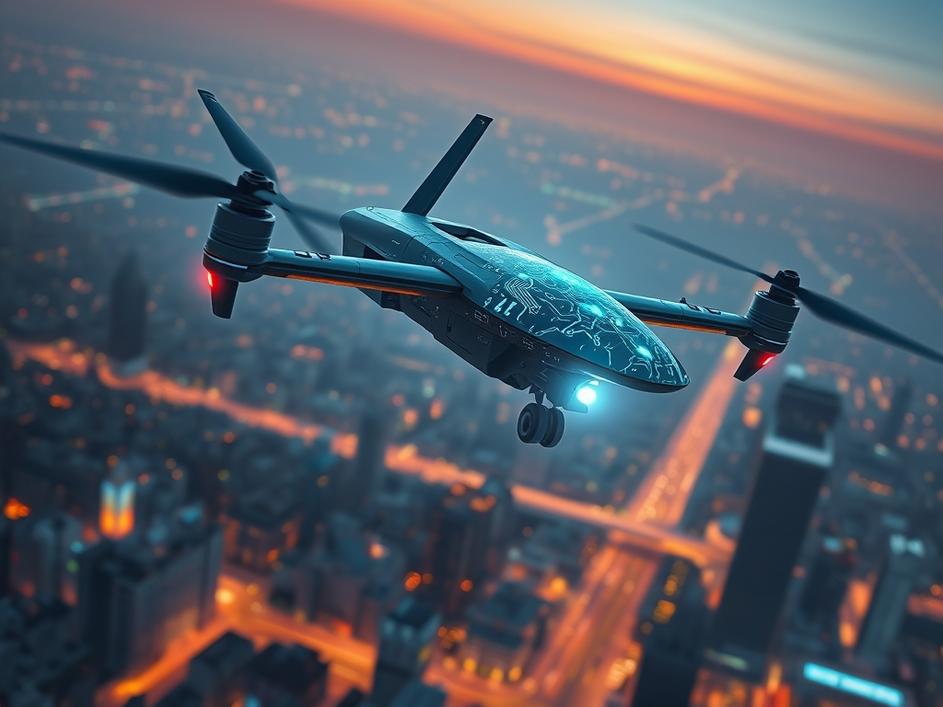
So, why is the Pentagon so keen on getting its hands on Anthropic’s AI? The answer lies in the potential applications of AI in modern warfare and defense. AI can enhance situational awareness by analyzing vast amounts of data to identify threats and patterns. It can improve decision-making by providing commanders with real-time insights and predictions. AI can also automate tasks, freeing up human soldiers for more complex operations. Think of AI-powered drones performing surveillance, logistical systems optimizing supply chains, or cybersecurity tools detecting and responding to attacks. The possibilities are vast, and the military sees AI as a critical tool for maintaining a competitive edge.
But the integration of AI into the military is not without its challenges and ethical dilemmas. One of the biggest concerns is the potential for autonomous weapons systems – AI-powered machines that can make life-or-death decisions without human intervention. Critics warn that such weapons could lead to unintended consequences, escalate conflicts, and violate international humanitarian law. There are also worries about bias in AI algorithms, which could lead to discriminatory outcomes on the battlefield. Ensuring accountability and transparency in the use of AI is crucial to mitigating these risks. Who is responsible when an AI makes a mistake? What safeguards are in place to prevent unintended harm?
The Pentagon’s pursuit of “unrestricted military use” of Anthropic’s AI raises even more concerns. What does “unrestricted” really mean? Does it imply a willingness to deploy AI in any way deemed necessary, regardless of ethical considerations? This is where the negotiations between the Pentagon and Anthropic become so important. Anthropic’s commitment to AI safety suggests that they will likely push for safeguards and limitations on how their technology is used. However, the Pentagon’s desire for flexibility and operational effectiveness could create tension. The outcome of these negotiations will set a precedent for future collaborations between AI companies and the military.
This is a watershed moment. The agreement, or lack thereof, between the Pentagon and Anthropic could set a course for how AI is adopted and regulated in military operations. The public should be aware of this deal and its implications. The conversation needs to involve not only government officials and tech experts, but also ethicists, legal scholars, and concerned citizens. AI is too important to be developed in secret, and its use in warfare demands careful scrutiny and open dialogue.
Ultimately, the goal should be to harness the power of AI for good while minimizing the risks. This requires a commitment to ethical principles, transparency, and accountability. It also requires ongoing dialogue and collaboration between stakeholders to ensure that AI is used responsibly and in a way that promotes peace and security. The future of AI in the military is uncertain, but by approaching it with caution and foresight, we can shape its trajectory in a way that benefits humanity.



Comments are closed