

We are a digital agency helping businesses develop immersive, engaging, and user-focused web, app, and software solutions.
2310 Mira Vista Ave
Montrose, CA 91020

2500+ reviews based on client feedback
What's Included?
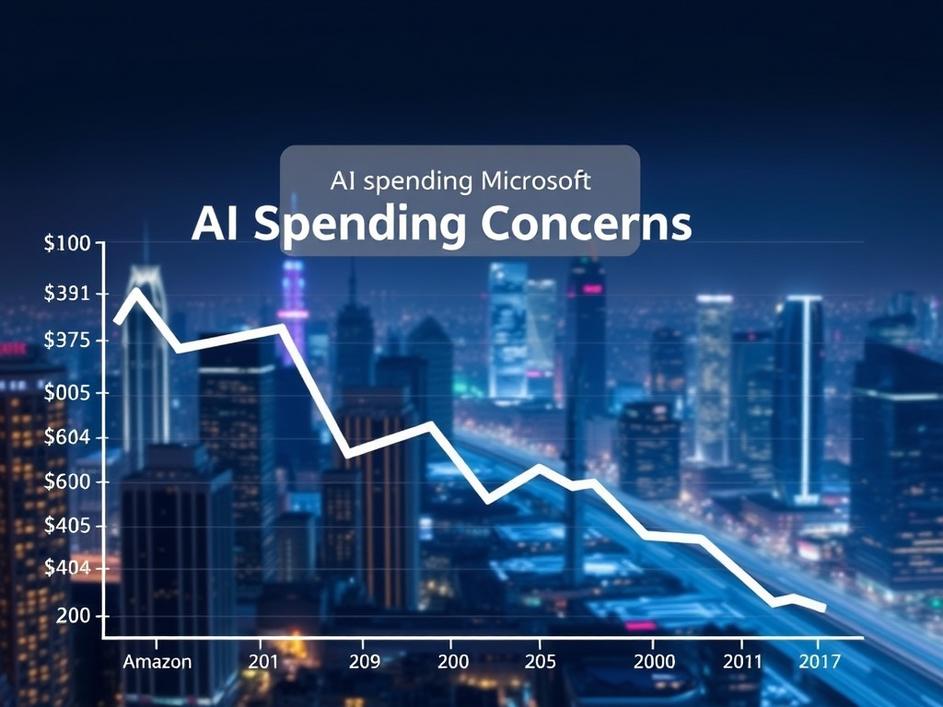
ToggleShares of tech giants Amazon, Google (Alphabet), and Microsoft all experienced a roughly 3% drop recently, sparking conversations about the sustainability of current AI investment levels. While artificial intelligence continues to be a hot topic and a major focus for these companies, some investors are seemingly growing cautious about the immediate returns on these massive expenditures. The market’s reaction highlights the delicate balance between future potential and present-day financial realities in the fast-evolving AI landscape.
The race to dominate the AI sector is undoubtedly expensive. Developing cutting-edge AI models, securing top AI talent, and building the necessary infrastructure require significant capital. Each of these companies has publicly committed billions to AI research, development, and deployment. This commitment includes everything from building massive data centers to acquiring promising AI startups. While the potential long-term rewards are substantial, the short-term costs are raising eyebrows among some investors who are accustomed to more immediate and predictable returns. And that pressure could be felt even more acutely in the current economic climate.
The question many investors are grappling with is whether the current level of AI spending will translate into tangible profits soon enough. AI projects often have long development cycles and uncertain outcomes. It can take years for an AI product to go from the drawing board to generating significant revenue. This extended timeline requires patience and a willingness to accept short-term losses in anticipation of future gains. Some analysts are arguing that the market is simply experiencing a temporary correction as it adjusts to the new realities of AI investment.
It’s important to remember that AI is already having a tangible impact on various industries. From improving search algorithms and personalizing customer experiences to automating business processes and accelerating drug discovery, AI applications are becoming increasingly prevalent. Amazon, Google, and Microsoft are at the forefront of many of these innovations. However, translating these advancements into direct and attributable revenue streams is a challenge. Investors are looking for concrete evidence that AI investments are generating a measurable return on investment, not just impressive demos and future promises.
The recent stock dip likely reflects a combination of factors. General economic uncertainty, rising interest rates, and concerns about potential regulatory hurdles for AI could all be contributing to investor anxiety. Additionally, some investors may be reallocating their portfolios to sectors perceived as less risky or offering more immediate returns. The market often overreacts to short-term news, so it’s crucial to consider the long-term prospects of these companies and the potential of AI technology. The drop in share price might represent a buying opportunity for investors who believe in the long-term potential of AI and the ability of these companies to navigate the challenges ahead.
The AI landscape is constantly evolving, and it’s likely that we will see continued volatility in the stock prices of companies heavily invested in this area. As AI technology matures and becomes more integrated into the fabric of our lives, the financial rewards will likely become more apparent. However, it is also likely that there will be a period of consolidation, where only the most successful and efficient AI companies will thrive. The current market jitters serve as a reminder that investing in AI is a long-term game that requires a careful assessment of both the opportunities and the risks. Ultimately, the companies that can effectively monetize their AI investments and demonstrate a clear path to profitability will be the ones that ultimately succeed. It is crucial to separate the hype from the reality and focus on the fundamental value that AI can bring to businesses and society.



Comments are closed