

We are a digital agency helping businesses develop immersive, engaging, and user-focused web, app, and software solutions.
2310 Mira Vista Ave
Montrose, CA 91020

2500+ reviews based on client feedback
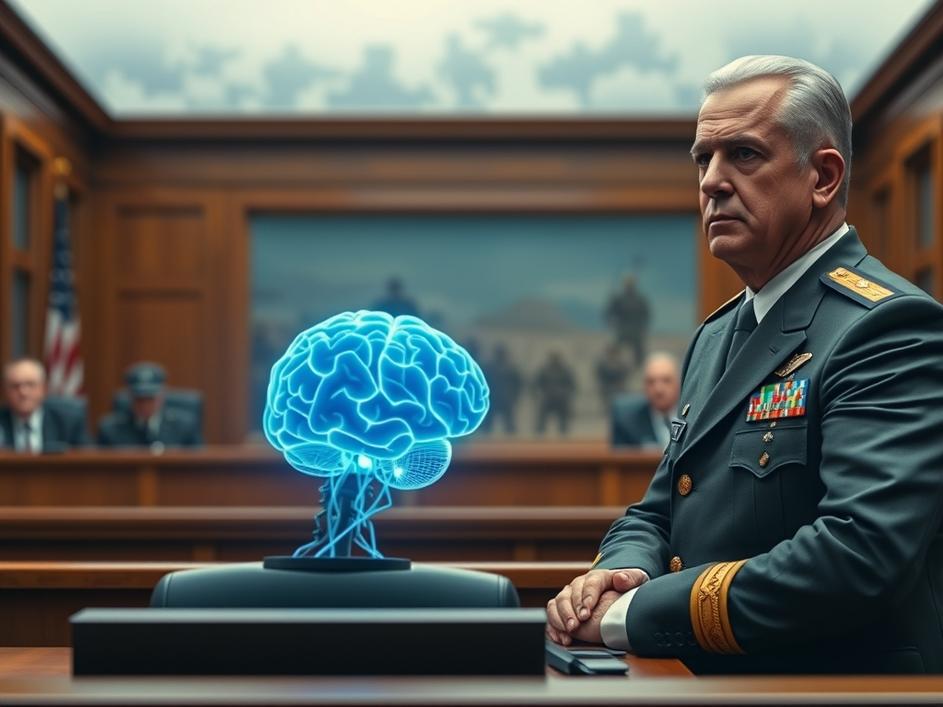
Anthropic, a well-known artificial intelligence company, recently faced a setback in its legal battle with the Department of Defense. The company sought a temporary block on the Pentagon’s decision to blacklist its AI technology. A federal appeals court in Washington, D.C., however, rejected Anthropic’s request. This legal challenge stems from a disagreement over the Department of Defense’s stance on utilizing Anthropic’s AI, raising significant questions about the role and regulation of AI in national security.
The core issue revolves around the Pentagon’s decision to place Anthropic’s AI on a blacklist, effectively preventing its use in defense-related applications. While the specific reasons for this blacklisting haven’t been fully disclosed, it likely involves concerns about security, potential vulnerabilities, or alignment with ethical guidelines for AI in warfare. The Department of Defense, like many government bodies, is grappling with the complexities of integrating AI while ensuring it aligns with national interests and safety protocols. This caution reflects a broader debate about the risks and benefits of deploying advanced AI in sensitive sectors.
This legal defeat has significant implications for Anthropic. Beyond the immediate inability to work with the Pentagon, the blacklisting could damage the company’s reputation and hinder its ability to secure contracts with other government agencies or defense contractors. For a company focused on developing responsible and beneficial AI, being associated with security risks or ethical concerns can be a major blow. It forces Anthropic to reassess its strategies and potentially address any underlying issues that led to the Pentagon’s decision. The company might need to enhance its security measures, improve transparency, or refine its AI models to better meet the stringent requirements of the defense sector.
This case extends beyond Anthropic and highlights the broader challenges of incorporating AI into the defense sector. The government is walking a tightrope, aiming to harness the power of AI for national security while mitigating potential risks. The Anthropic situation emphasizes the need for clear guidelines, robust security protocols, and ethical frameworks for AI development and deployment in defense. It also underscores the importance of ongoing dialogue and collaboration between AI companies and government agencies to ensure that AI technologies are used responsibly and effectively. The future of AI in defense depends on establishing a balance between innovation and caution.
Although Anthropic lost its bid for a temporary block, the legal battle is far from over. The company’s lawsuit against the Department of Defense is still ongoing, and it could potentially lead to further scrutiny of the Pentagon’s decision-making process. This case could also set a precedent for how the government regulates AI companies and their interactions with the defense sector. As AI technology continues to advance, it’s crucial to establish clear legal and ethical boundaries to ensure that AI is used in a way that aligns with societal values and national security interests. The outcome of this case could significantly shape the future of AI regulation and its role in the defense landscape.
The core tension lies in the delicate balance between encouraging innovation in AI and safeguarding national security. On one hand, restricting access to cutting-edge AI technologies could hinder the Department of Defense’s ability to maintain a competitive edge. On the other hand, deploying AI systems without proper vetting and security measures could create vulnerabilities that adversaries could exploit. This requires a nuanced approach that involves thorough risk assessments, rigorous testing, and ongoing monitoring of AI systems. Furthermore, it highlights the need for continuous dialogue between AI developers, policymakers, and security experts to address emerging challenges and ensure that AI is used responsibly and ethically in defense applications. The Anthropic case serves as a reminder that the integration of AI into the defense sector is a complex undertaking that requires careful consideration and proactive measures.
Beyond the technical and security aspects, the ethical implications of using AI in warfare cannot be ignored. Questions about autonomous weapons, algorithmic bias, and accountability must be addressed to ensure that AI is used in a way that aligns with human values and international law. The potential for AI to make life-or-death decisions raises profound moral concerns that require careful consideration. It is essential to establish ethical guidelines and oversight mechanisms to prevent the misuse of AI in warfare and to ensure that human control is maintained over critical decisions. The Anthropic case underscores the importance of addressing these ethical considerations proactively and engaging in a broader societal dialogue about the future of AI in warfare.
The Anthropic case is a microcosm of the larger challenges surrounding the integration of AI into sensitive sectors like defense. It highlights the need for clear regulations, robust security measures, and ethical frameworks to ensure that AI is used responsibly and effectively. As AI technology continues to evolve, it’s crucial to foster collaboration between AI companies, government agencies, and the broader public to navigate this complex landscape. The future of AI in defense depends on striking a balance between innovation, security, and ethical considerations to ensure that AI serves humanity’s best interests.



Comments are closed