

We are a digital agency helping businesses develop immersive, engaging, and user-focused web, app, and software solutions.
2310 Mira Vista Ave
Montrose, CA 91020

2500+ reviews based on client feedback
What's Included?
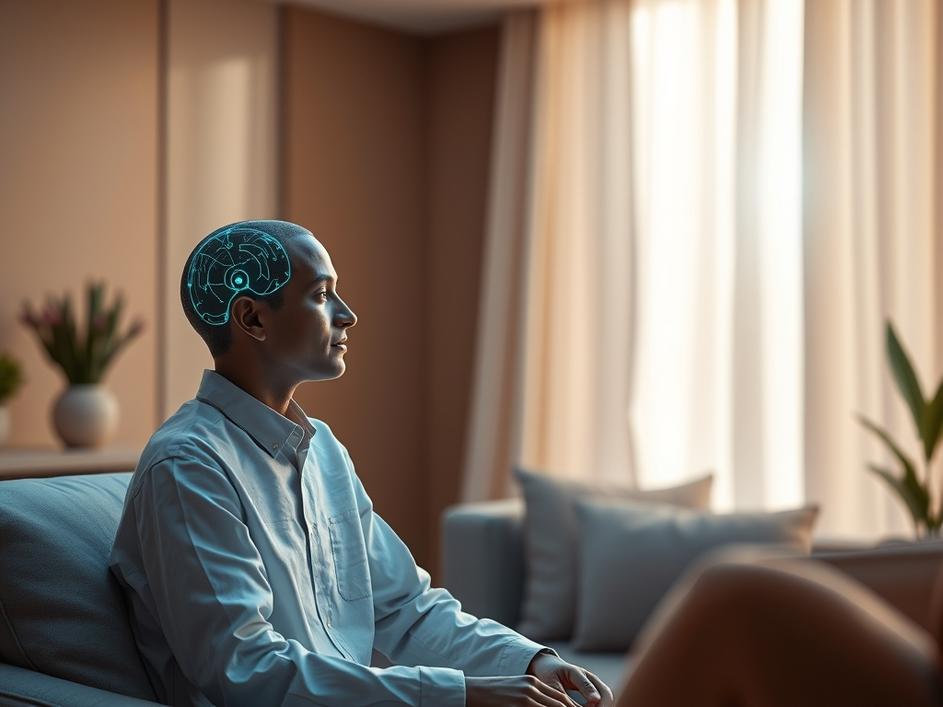
ToggleWe live in a world increasingly intertwined with technology, so it’s no surprise that artificial intelligence is making its way into healthcare. One area where AI is starting to pop up is mental health, with the development of AI-powered therapy chatbots. These programs offer a virtual space where people can talk about their feelings, work through problems, and receive guidance, all from the convenience of their phone or computer. The idea is intriguing, especially considering the rising demand for mental health services and the limited availability of human therapists. But is talking to a bot the same as talking to a real person when it comes to something as sensitive as mental health? That’s the big question many are asking.
One of the biggest advantages of AI therapy is its potential to make mental healthcare more accessible. Traditional therapy can be expensive and difficult to fit into a busy schedule. Many people live in areas where there aren’t many therapists available, creating long wait times and making it hard to get help. AI chatbots, on the other hand, are available 24/7 and can be accessed from anywhere with an internet connection. They’re also often much cheaper than traditional therapy, making them an attractive option for people who are uninsured or have limited financial resources. This wider access could be a game-changer for those who might otherwise go without any mental health support.
While AI offers clear benefits in terms of accessibility, the lack of human connection is a significant concern. Therapy is built on trust, empathy, and understanding. A therapist can pick up on subtle cues, like body language and tone of voice, and adapt their approach to meet the unique needs of each client. Can an AI chatbot truly replicate that level of nuanced interaction? Many experts worry that AI could miss important signs of distress or provide generic advice that doesn’t resonate with the individual. The therapeutic relationship itself can be healing. A chatbot cannot provide this. The feeling of being heard and understood by another human being is a crucial part of the healing process for many people.
Beyond the question of effectiveness, there are also ethical concerns surrounding the use of AI in therapy. What happens to the data shared with these chatbots? Is it stored securely? How is it used? These are important questions that need to be addressed to protect users’ privacy. Additionally, there are concerns about the potential for bias in AI algorithms. If the AI is trained on a limited dataset, it may not be able to effectively serve individuals from diverse backgrounds or with unique experiences. It’s essential to ensure that AI therapy tools are developed and used in a way that is ethical, responsible, and equitable.
Perhaps the most realistic view is that AI therapy should be seen as a tool to augment traditional mental healthcare, rather than replace it entirely. AI chatbots could be used to provide basic support, monitor symptoms, and offer coping strategies in between therapy sessions. They could also be helpful for people who are hesitant to seek traditional therapy or who are on a waiting list to see a therapist. In this way, AI could help to bridge the gap in mental healthcare and provide a valuable resource for those who need it. However, it’s important to remember that AI is not a substitute for the expertise and compassion of a human therapist, especially when dealing with complex or serious mental health issues.
The integration of AI into mental healthcare is still in its early stages, and there are many unknowns. As AI technology continues to evolve, it’s crucial to approach its use in therapy with caution and a critical eye. We need more research to understand the true effectiveness of AI chatbots and to identify the potential risks and benefits. It’s also essential to have clear ethical guidelines and regulations in place to protect users and ensure that AI is used responsibly. The future of mental healthcare may very well involve AI, but it’s up to us to shape that future in a way that prioritizes the well-being and dignity of all individuals. The human element should always be considered above all.
Comments are closed