

We are a digital agency helping businesses develop immersive, engaging, and user-focused web, app, and software solutions.
2310 Mira Vista Ave
Montrose, CA 91020

2500+ reviews based on client feedback
What's Included?
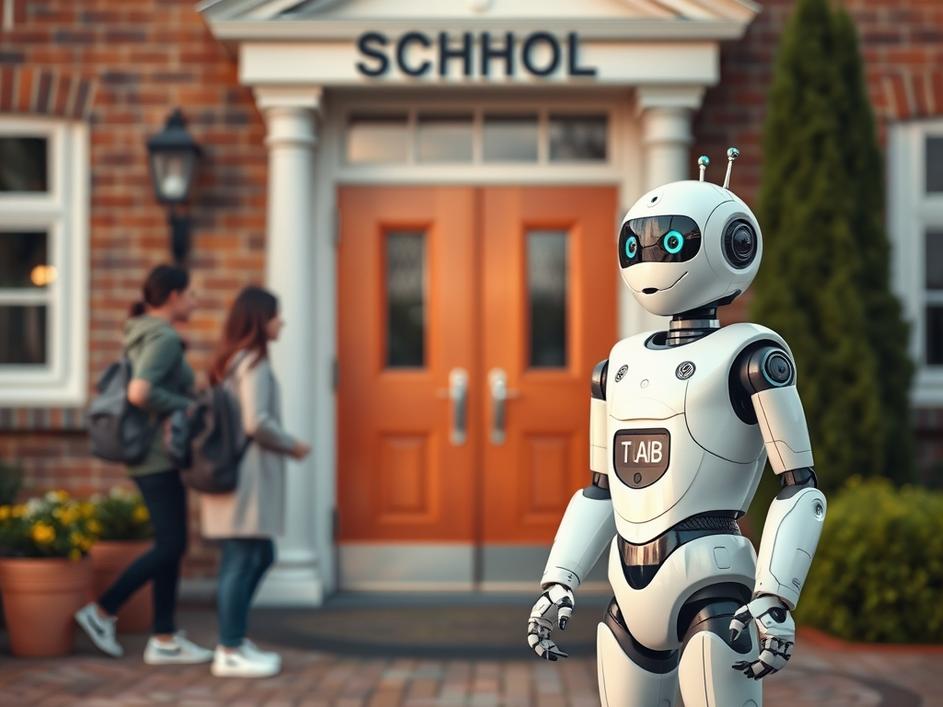
ToggleImagine a world where parents can get instant answers to their school-related questions, anytime, day or night. No more waiting for office hours or sifting through endless website pages. That future is quickly becoming a reality as hundreds of schools are now using AI-powered chatbots to connect with families. Finalsite’s Ask AI is leading this charge, and it has already answered close to a million questions in just nine months.
So, what’s driving this rapid adoption of AI in education? The answer is simple: communication. Schools are always looking for ways to improve communication with parents and guardians. Traditional methods, like email and phone calls, can be time-consuming and inefficient. And school websites, while informative, can be difficult to navigate, especially for parents who are new to the school or district. AI chatbots offer a solution by providing immediate, personalized answers to common questions. This can save schools time and resources while also improving parent satisfaction.
These aren’t your average chatbots. They are designed to understand natural language and provide accurate, relevant information. They can answer questions about school policies, upcoming events, transportation, enrollment, and a whole lot more. The beauty of these systems is that they are constantly learning and improving. The more questions they answer, the better they become at understanding and responding to future inquiries. This means that schools can provide increasingly accurate and helpful information to families over time.
The benefits of using AI chatbots in schools are significant. For parents, it means instant access to the information they need, whenever they need it. No more waiting on hold or sending emails that go unanswered for days. It also ensures equitable access to information, regardless of language or tech skills. AI assistants provide multilingual support, overcoming language barriers. For schools, it means reduced workload for staff, improved communication with families, and a more positive image in the community. By automating the process of answering common questions, school staff can focus on more important tasks, such as teaching and student support. This helps create a more efficient and effective learning environment for everyone.
Of course, the use of AI in schools also raises some concerns. Some people worry about the accuracy of the information provided by chatbots. Others are concerned about the potential for bias in AI algorithms. It’s important for schools to address these concerns proactively. They need to ensure that the AI systems they use are accurate, unbiased, and transparent. They also need to have a plan in place for handling situations where the chatbot provides incorrect or misleading information. Data privacy and security are also major concerns. Schools must take steps to protect the personal information of students and families when using AI technologies.
AI is poised to play an increasingly important role in education in the years to come. In the short term, anticipate broader use of AI chatbots for student support, personalized learning, and administrative tasks. Looking further ahead, AI could enable personalized learning experiences tailored to each student’s needs and abilities. AI-powered tools could also automate administrative tasks, such as grading and scheduling, freeing up teachers to focus on what they do best: teaching. The ethical implications of AI in education must be carefully considered. Protecting student data, ensuring fairness and equity, and maintaining human oversight are major challenges. As AI technologies evolve, schools must have appropriate safeguards and guidelines.
Overall, the adoption of AI chatbots in schools is a positive trend. It has the potential to improve communication, reduce workload, and enhance the overall learning experience for students and families. While there are challenges to address, the benefits of AI in education are too significant to ignore. By embracing AI thoughtfully and responsibly, schools can create a more connected, efficient, and effective learning environment for all.



Comments are closed