

We are a digital agency helping businesses develop immersive, engaging, and user-focused web, app, and software solutions.
2310 Mira Vista Ave
Montrose, CA 91020

2500+ reviews based on client feedback
What's Included?
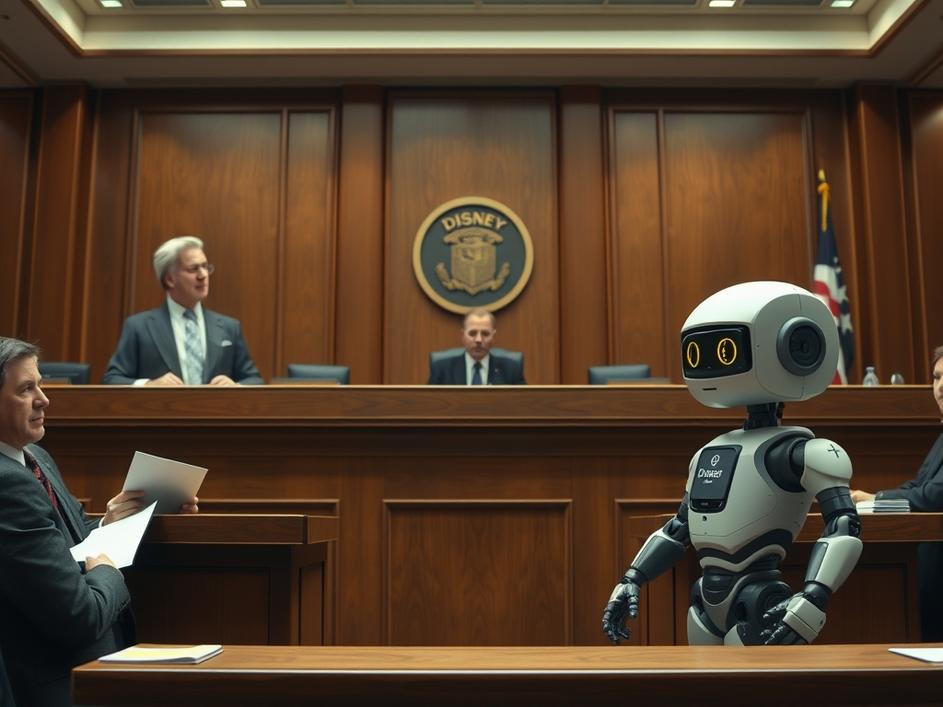
ToggleArtificial intelligence is rapidly changing the world, and video generation is one of the most exciting areas. Programs like ByteDance’s Seedance 2.0 can create videos from text prompts, opening up incredible creative possibilities. But this technology is also causing major headaches, especially when it comes to copyright. Big players in the entertainment industry, including Disney and Paramount, are raising serious concerns about potential copyright violations. It’s a classic case of innovation racing ahead of the legal framework, leaving everyone scrambling to catch up.
ByteDance, the company behind TikTok and Seedance 2.0, is now trying to address these concerns. They’re working on improving the safeguards built into their AI video generator to prevent copyright infringement. It’s not an easy task. These systems learn by analyzing massive amounts of data, and figuring out how to prevent them from replicating copyrighted material is a complex technical challenge. It involves understanding not just what is visually similar, but also the underlying creative ideas and styles.
So, how do you actually stop an AI from infringing on copyright? One approach is to filter the training data, removing copyrighted material. But this is a never-ending game of whack-a-mole. Another approach is to build algorithms that can detect and prevent the AI from generating content that is substantially similar to existing copyrighted works. This requires sophisticated AI itself, capable of understanding the nuances of copyright law. It also raises questions about fair use and parody, which are protected under copyright law.
This situation highlights a fundamental tension between AI and creativity. On one hand, AI tools can empower creators, allowing them to explore new ideas and create content more efficiently. On the other hand, AI can also be used to easily copy and distribute copyrighted material, undermining the rights of creators. The challenge is to find a balance that allows AI to foster creativity without infringing on copyright. This requires a multi-faceted approach, involving technical solutions, legal frameworks, and ethical considerations.
There’s no easy answer to the copyright challenges posed by AI video generators. But one thing is clear: collaboration is essential. Tech companies, copyright holders, and policymakers need to work together to develop clear guidelines and standards. This could involve creating licensing agreements for AI-generated content, developing tools for detecting copyright infringement, and educating users about copyright law. It’s also important to consider the broader economic implications. If AI video generators are allowed to freely copy copyrighted material, it could harm the entertainment industry and discourage creativity. But if AI is overly restricted, it could stifle innovation and limit the potential of this technology.
The development of AI video generators marks a significant shift in how videos are made and consumed. Imagine a world where anyone can create high-quality videos with just a few text prompts. This could democratize video creation, empowering individuals and small businesses to tell their stories and reach new audiences. But it also raises important questions about the role of human creators. Will AI replace human video creators? Or will AI become a tool that enhances human creativity? The answer likely lies somewhere in between. AI will automate some aspects of video creation, but human creativity and storytelling will remain essential.
From the audience’s point of view, AI video generators offer exciting possibilities. We can expect to see more personalized and engaging video content, tailored to our individual interests. But it’s also important to be aware of the potential risks. AI-generated videos could be used to spread misinformation or create deepfakes. As consumers, we need to be critical of the content we see online and be able to distinguish between human-generated and AI-generated videos.
AI video generation is a powerful technology with the potential to transform the way we create and consume video. But it also poses significant challenges, particularly in the area of copyright. By addressing these challenges proactively and collaboratively, we can ensure that AI video generators are used in a way that benefits both creators and consumers. The future of video creation is uncertain, but one thing is clear: AI will play a major role. It’s up to us to shape that role in a responsible and ethical way. Ultimately, the goal should be to foster a creative ecosystem where both human and AI can thrive.
Comments are closed