

We are a digital agency helping businesses develop immersive, engaging, and user-focused web, app, and software solutions.
2310 Mira Vista Ave
Montrose, CA 91020

2500+ reviews based on client feedback
What's Included?
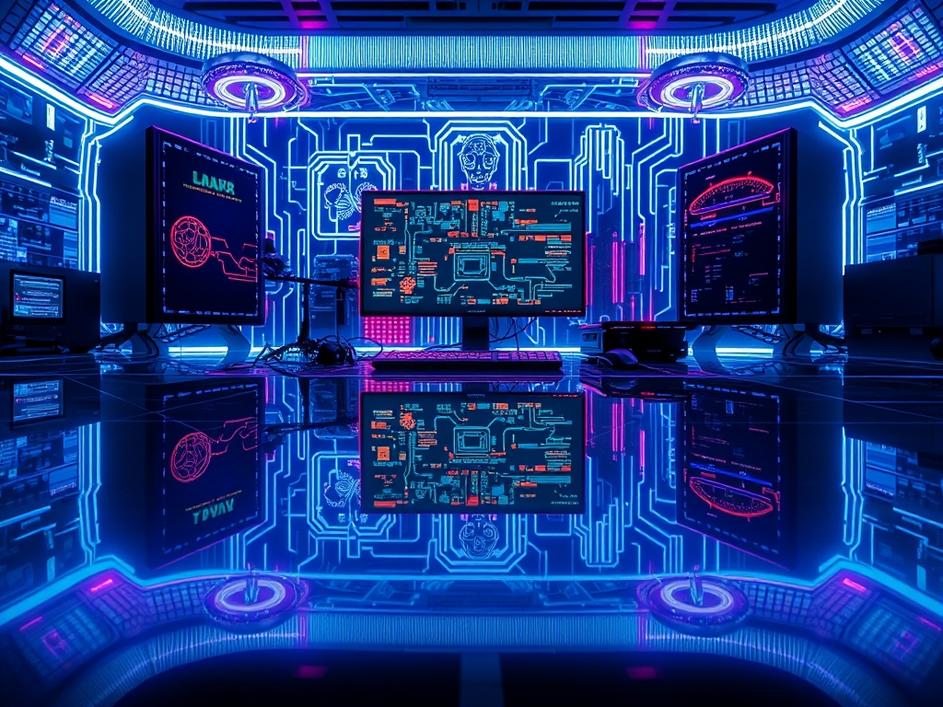
ToggleArtificial intelligence is rapidly changing how we work and live. As AI becomes more integrated into our daily routines, the demand for specialized hardware to handle these complex tasks grows. AiPPT.com’s recent announcement of their fully upgraded platform signals a significant step forward in the development and accessibility of AI-native workstations. These aren’t just souped-up computers; they are specifically designed from the ground up to maximize the performance of AI applications.
So, what exactly does “AI-native” mean? It goes beyond simply having a powerful processor and a lot of memory. AI-native workstations incorporate specialized hardware accelerators, such as GPUs (Graphics Processing Units) or TPUs (Tensor Processing Units), that are optimized for the kinds of calculations involved in machine learning and deep learning. These workstations are engineered to handle massive datasets and complex algorithms efficiently, which speeds up the training and deployment of AI models. Think of it as having a race car versus a regular car – both can drive, but one is built for speed and performance on a specific track.
While details of the upgrade are not fully described beyond the press release, we can speculate on what “fully upgraded” might entail. Improvements could span hardware, software, or both. From a hardware perspective, this could mean incorporating the latest generation of GPUs or even custom-designed AI chips. Software enhancements might include pre-installed AI development tools, optimized drivers, and libraries that streamline the workflow for data scientists and AI engineers. The core idea is a cohesive ecosystem which allows AI practitioners to jump right into developing and deploying AI solutions without being bogged down by compatibility issues or performance bottlenecks.
Why should anyone care about AI-native workstations? The answer is simple: efficiency and speed. For businesses, these workstations translate to faster model training, quicker data analysis, and ultimately, faster time-to-market for AI-powered products and services. Imagine a medical research team able to analyze patient data in a fraction of the time, leading to faster diagnoses and treatment plans. Or a financial institution able to detect fraud more accurately, saving millions of dollars. Individuals can also benefit, especially those working in fields like data science, machine learning, and AI research. AI-native workstations provide the tools they need to innovate and push the boundaries of what’s possible with AI.
While the idea of AI-native workstations is exciting, it’s important to acknowledge potential challenges. The initial cost of these specialized machines can be a barrier for some businesses and individuals. It’s crucial to assess whether the performance gains justify the investment. Another concern is the complexity of managing and maintaining these systems. AI-native workstations often require specialized expertise to configure and optimize for specific workloads. Finally, the rapid pace of innovation in AI means that hardware and software can quickly become outdated. Therefore, businesses need to carefully consider their long-term needs and plan for upgrades.
Looking ahead, the trend towards AI-native workstations is likely to continue. As AI becomes more pervasive, we can expect to see even more specialized hardware and software solutions emerge. Cloud-based AI platforms will also play a significant role, offering access to powerful computing resources on demand. The key will be finding the right balance between on-premise workstations and cloud-based solutions to meet specific needs and budgets. We should also expect to see more open-source tools and frameworks that make it easier for developers to build and deploy AI applications on a variety of platforms.
With great computing power comes great responsibility. As AI workstations become more advanced, it’s crucial to consider the ethical implications of AI development and deployment. Issues such as data privacy, algorithmic bias, and the potential for misuse of AI technology need to be addressed proactively. Developers and users of AI-native workstations have a responsibility to ensure that AI is used ethically and for the benefit of society.
AiPPT’s platform upgrade is a sign of the times, reflecting the growing importance of AI in various industries. AI-native workstations offer tremendous potential for accelerating AI development and driving innovation. However, they are not a magic bullet. Success requires a strategic approach that considers the specific needs of the organization, the skills of the workforce, and the ethical implications of AI. By carefully evaluating the benefits and challenges, businesses and individuals can harness the power of AI-native workstations to unlock new possibilities and shape the future of AI.



Comments are closed