

We are a digital agency helping businesses develop immersive, engaging, and user-focused web, app, and software solutions.
2310 Mira Vista Ave
Montrose, CA 91020

2500+ reviews based on client feedback
What's Included?
ToggleThis weekend, global air travel is facing some serious turbulence. A software update for the Airbus A320 family of aircraft has led to a significant number of planes being grounded. This isn’t just a minor inconvenience; it’s causing widespread flight disruptions, impacting travel plans for potentially thousands of passengers worldwide, including in India.
The exact technical details of the software glitch haven’t been fully disclosed to the public, but it’s understood to be related to a critical system that affects the aircraft’s operation. When software controls systems vital for flight, even a small error can create a hazardous situation. Aviation authorities and Airbus aren’t taking any chances, and grounding the planes is a precautionary measure to ensure passenger safety. It is better to be on the ground wishing you were in the air, than in the air wishing you were on the ground.
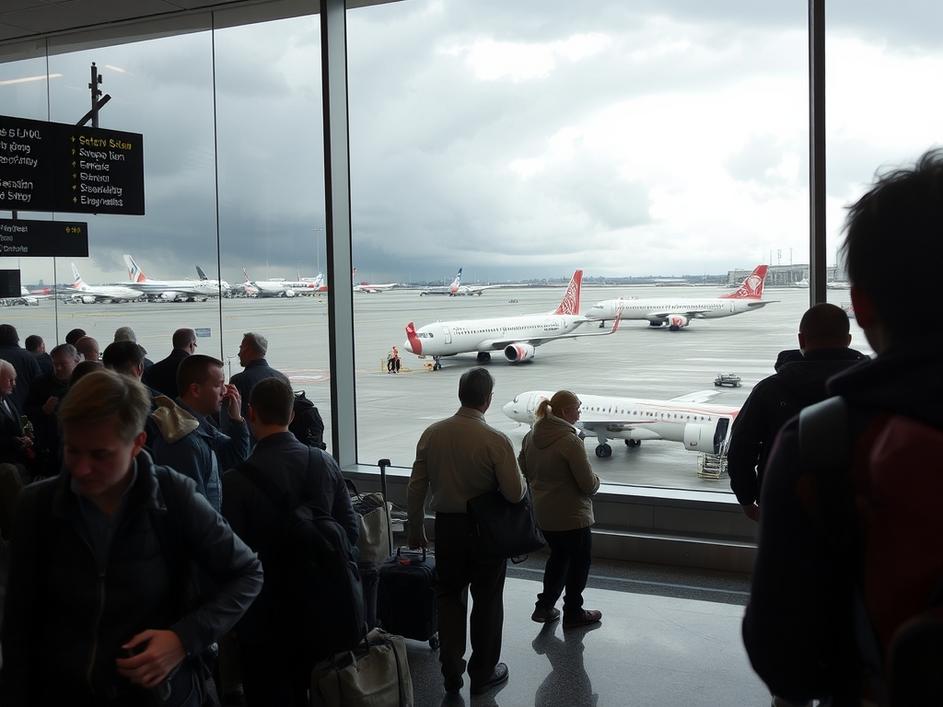
The immediate impact is felt by travelers. Flights are being delayed, canceled, or rerouted. Airport terminals are becoming chaotic as passengers scramble to rebook flights and figure out alternative travel arrangements. The disruption isn’t limited to a single airline or region; it’s a global problem affecting numerous carriers that operate the A320 family of aircraft. This is happening during what may be peak travel season for some, with many families trying to take vacations. This kind of widespread disruption can affect not only vacation plans, but business travel and important meetings, too.
India, with its rapidly growing aviation sector, is also feeling the effects. Several airlines in India operate the Airbus A320, making them susceptible to the grounding. This could lead to delays and cancellations on both domestic and international routes. For passengers traveling to or from India, it’s essential to stay updated on the status of their flights and be prepared for potential disruptions. Expect longer wait times at airports and increased difficulty reaching airline customer service. This is a great time to practice patience. Airlines are doing their best to accommodate everyone.
Airlines are working hard to minimize the disruption. This includes rebooking passengers on alternative flights, providing accommodation for those stranded, and working with Airbus to expedite the software fix. Communication is key during this time. Airlines are using their websites, mobile apps, and social media channels to keep passengers informed about flight status and options. However, given the scale of the problem, it’s likely that some passengers will still experience significant delays and inconveniences.
This incident highlights the increasing reliance on software in modern aviation. While technology has brought tremendous advancements in safety and efficiency, it also introduces new vulnerabilities. Complex software systems require rigorous testing and validation to prevent errors. This grounding serves as a reminder of the critical importance of software reliability in ensuring the safety of air travel. The software in question has been running smoothly for a considerable period, so the industry experts are going to want to know why this problem has suddenly surfaced. Was it a change to the environment that triggered it? Was it a latent bug that was only discovered with a new set of circumstances?
Every aviation incident, even one caused by a software glitch, provides valuable lessons. It underscores the need for continuous monitoring of aircraft systems, robust testing procedures for software updates, and effective communication protocols between manufacturers, airlines, and aviation authorities. The goal is to prevent similar incidents from happening in the future. Expect to see more stringent software checks and balances put into place as a result of this event.
If you’re planning to travel this weekend, especially on an airline that operates the Airbus A320, here are a few tips:
* Check your flight status frequently: Use the airline’s website or app to monitor your flight for any changes.
* Be prepared for delays: Pack essentials in your carry-on bag, such as medications, snacks, and a phone charger.
* Contact your airline: If your flight is canceled or delayed, contact the airline immediately to explore rebooking options.
* Consider alternative travel plans: If possible, consider alternative modes of transportation or adjust your travel dates.
* Stay informed: Follow news updates and airline announcements for the latest information.
* Be patient and polite: Airline staff are doing their best to assist passengers during a challenging situation. Remaining calm and respectful will help you get the assistance you need. Most importantly, be aware of your surroundings. These kinds of events can be stressful and exhausting, so keep yourself hydrated, take breaks when you can, and be aware of others. This is a good time to offer assistance to someone who may need it.
The Airbus A320 software issue is a temporary setback, but it serves as a crucial reminder of the complexities and challenges of modern air travel. As technology continues to evolve, the aviation industry must remain vigilant in ensuring the safety and reliability of its systems. While disruptions are frustrating, the priority must always be the safety of passengers and crew. The situation is evolving rapidly, and we are likely to see further updates as the software fix is implemented and the grounded aircraft return to service. In the meantime, travelers are advised to stay informed, be patient, and plan accordingly.
As air travel becomes more reliant on sophisticated software, the industry will need to adopt even more rigorous testing and validation procedures. The use of artificial intelligence (AI) and machine learning (ML) in software development and testing could play a crucial role in identifying potential vulnerabilities and preventing future incidents. However, it’s also essential to have human oversight and expertise to ensure that these AI-driven systems are functioning correctly and not introducing new risks. The future of air travel depends on a balance between technological innovation and human vigilance.



Comments are closed