

We are a digital agency helping businesses develop immersive, engaging, and user-focused web, app, and software solutions.
2310 Mira Vista Ave
Montrose, CA 91020

2500+ reviews based on client feedback
What's Included?
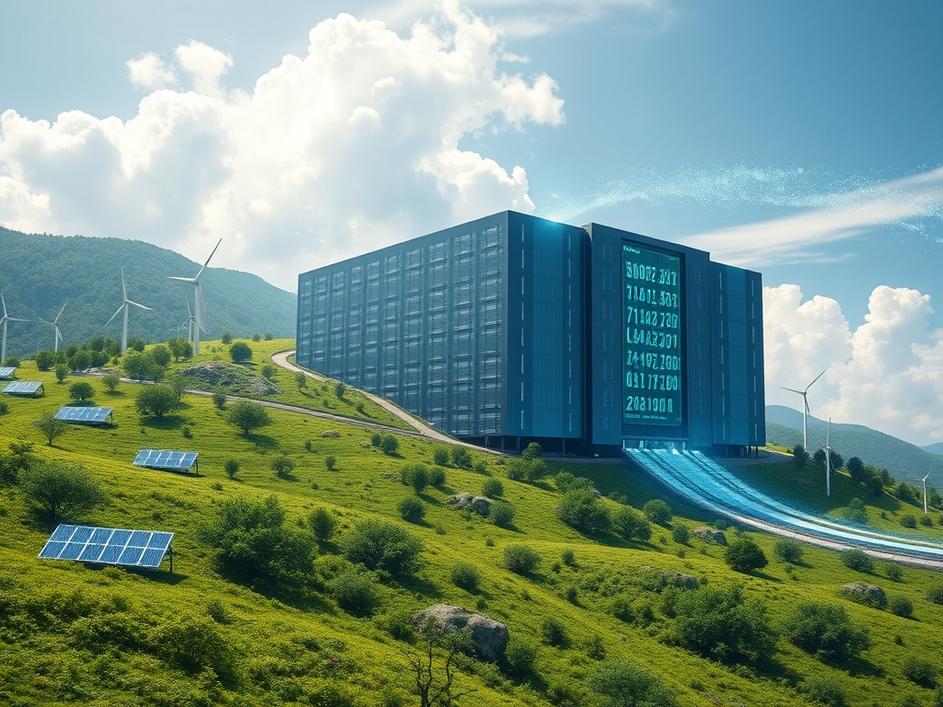
ToggleAlphabet’s CEO, Sundar Pichai, recently voiced a concern that might be more widespread than many realize: the sheer capacity required to fuel the artificial intelligence boom. It’s not just about clever algorithms anymore; it’s about the real-world resources needed to keep these systems running. Power, land, and supply chains – these are the new bottlenecks in the AI race. It’s like building a rocket, only to find you don’t have enough fuel, a launchpad, or the parts to finish the job.
AI, especially the large language models that power chatbots and other advanced applications, are incredibly power-hungry. Training these models requires vast amounts of electricity, and as they become more complex, their energy demands only increase. Think of it as trying to run a marathon on a single granola bar – eventually, you’re going to hit a wall. This reliance on massive energy consumption raises serious questions about the environmental impact of AI development and the long-term sustainability of the current trajectory. And it’s not just about the abstract idea of “being green”; it’s about practical concerns like access to affordable and reliable energy sources. Areas with cheap energy will become AI epicenters, potentially creating economic imbalances and further straining resources.
All that processing power needs a place to reside: data centers. These facilities are massive, sprawling complexes filled with servers, cooling systems, and the infrastructure to keep everything running smoothly. Finding suitable land for these data centers is becoming increasingly difficult, especially in densely populated areas or regions with strict environmental regulations. And the cost of land is only going up. It’s a classic case of supply and demand: as the need for data centers grows, the availability of suitable land shrinks, driving up prices and creating intense competition. This real estate pressure could force companies to locate data centers in less-than-ideal locations, potentially compromising performance or increasing operational costs.
The global supply chain has been a source of headaches for many industries in recent years, and AI is no exception. Building and maintaining AI infrastructure requires specialized hardware, including GPUs (graphics processing units) and other components. These components are often manufactured in a limited number of locations, making the supply chain vulnerable to disruptions. Geopolitical tensions, natural disasters, and even simple logistical challenges can all create bottlenecks, delaying projects and increasing costs. The shortage of chips, for instance, has impacted several industries, and AI is not immune to it. Securing a stable and reliable supply chain is crucial for sustained AI growth, but it’s a challenge that requires careful planning and diversification.
Pichai’s comments serve as a crucial reality check in the often-overhyped world of AI. It’s easy to get caught up in the excitement of new technologies and their potential applications, but it’s equally important to consider the practical limitations and challenges. The AI revolution isn’t just about algorithms and software; it’s about the tangible resources needed to power and sustain it. Addressing these challenges will require innovative solutions, including more energy-efficient hardware, smarter data center designs, and more resilient supply chains. And perhaps most importantly, it will require a more realistic and sustainable approach to AI development, one that considers not just the potential benefits but also the real-world costs.
The future of AI hinges on our ability to address these capacity constraints. This isn’t just a problem for tech giants like Alphabet; it’s a challenge for the entire industry and for society as a whole. We need to invest in research and development to create more energy-efficient AI algorithms and hardware. We need to explore alternative energy sources to power data centers. And we need to foster more resilient and diversified supply chains. Ultimately, the goal should be to create an AI ecosystem that is not only powerful and innovative but also sustainable and responsible. Ignoring these challenges would be like building a house on a shaky foundation – eventually, the whole thing is going to come tumbling down. The key is to plan for the future, innovate responsibly, and ensure that the AI revolution benefits everyone, not just a select few.
Beyond the physical resources needed, the rapid growth of AI also brings up ethical considerations that cannot be ignored. The potential for bias in algorithms, the impact on jobs, and the use of AI for surveillance are all serious concerns that require careful attention. Addressing these ethical challenges is just as important as addressing the capacity constraints. A sustainable AI future is one that is not only environmentally responsible but also ethically sound.
Solving these multifaceted issues requires a collaborative approach. Governments, industry leaders, researchers, and the public must work together to develop solutions that address both the capacity constraints and the ethical considerations of AI. This includes investing in education and training programs to prepare the workforce for the changing job market, developing regulatory frameworks that promote responsible AI development, and fostering open dialogue about the potential risks and benefits of this technology. The road ahead may be challenging, but by working together, we can create an AI future that is both innovative and sustainable.


Comments are closed