

We are a digital agency helping businesses develop immersive, engaging, and user-focused web, app, and software solutions.
2310 Mira Vista Ave
Montrose, CA 91020

2500+ reviews based on client feedback
What's Included?
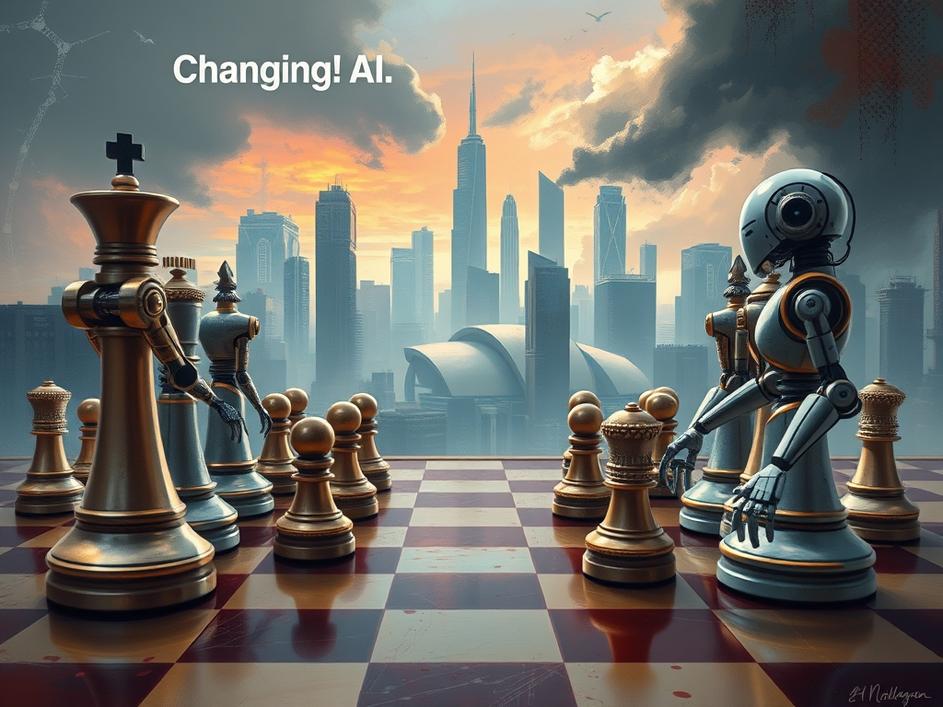
ToggleWe’re living in interesting times. Technology, specifically artificial intelligence, is advancing at a pace that’s hard to keep up with. And while many focus on the cool new gadgets and software, a deeper shift is happening: a potential redistribution of power. The old guard, the elites who traditionally held the reins, might be finding their grip loosening, thanks to AI.
For centuries, access to information and resources was heavily guarded. Those who controlled these things controlled society. But AI is changing that. Powerful tools and knowledge are becoming increasingly available to the masses. Anyone with an internet connection can tap into vast databases, learn new skills, and even create their own AI-powered applications. This democratization of technology challenges the established hierarchy. It used to be that only large corporations or government agencies could afford sophisticated data analysis or predictive modeling. Now, a small startup, or even an individual, can access similar capabilities through cloud-based AI platforms.
Information warfare is nothing new, but AI is adding a whole new dimension. Think about the spread of disinformation. AI can create incredibly realistic fake videos and articles, making it harder than ever to distinguish truth from falsehood. This creates chaos and confusion, undermining trust in institutions and traditional sources of authority. And who benefits from this chaos? Often, it’s those seeking to disrupt the existing order. The elites, who typically rely on controlling the narrative, find themselves fighting a losing battle against an army of AI-powered bots and sophisticated propaganda campaigns. It is also making it harder for leaders to keep secrets, as AI is capable of finding patterns in large data sets that a human could never analyze.
One of the biggest challenges facing elites is the growing erosion of trust. People are increasingly skeptical of institutions, governments, and corporations. AI plays a role in this. The constant exposure to manipulated media and the ability to easily fact-check claims online make it harder for elites to maintain their carefully crafted image. When people can see through the spin, they’re less likely to blindly follow authority. The result is a crisis of legitimacy, where the old power structures are questioned and challenged. This lack of trust makes it harder to govern and maintain stability, creating an environment ripe for change.
Of course, AI isn’t a magic bullet. It’s a tool, and like any tool, it can be used for good or bad. While it can empower individuals and challenge existing power structures, it can also be used to further consolidate power in the hands of those who already have it. AI-powered surveillance systems, for example, could be used to monitor and control populations, suppressing dissent and reinforcing authoritarian rule. The key is to ensure that AI is developed and used responsibly, with a focus on fairness, transparency, and accountability. This requires a collective effort from governments, researchers, and individuals to create ethical guidelines and safeguards. If AI is allowed to develop unchecked, it could lead to even greater inequality and oppression. Furthermore, it also makes a country’s war efforts more open and transparent which can reveal military strategies to the enemies and ultimately make a nation more vulnerable in case of war.
So, are the elites really losing their grip? It’s hard to say for sure. But it’s clear that AI is disrupting the old order and creating new opportunities for individuals and groups to challenge the status quo. The future of power will likely be more distributed, more fluid, and more contested than ever before. This means that those who want to maintain their influence will need to adapt to the new landscape. They’ll need to be more transparent, more responsive, and more willing to engage in open dialogue. The old ways of control and manipulation simply won’t work in a world where information is readily available and people are empowered to think for themselves. This shift is uncomfortable for many. But it also offers the potential for a more just and equitable society, where power is shared more broadly and everyone has a voice.


Comments are closed