

We are a digital agency helping businesses develop immersive, engaging, and user-focused web, app, and software solutions.
2310 Mira Vista Ave
Montrose, CA 91020

2500+ reviews based on client feedback
What's Included?
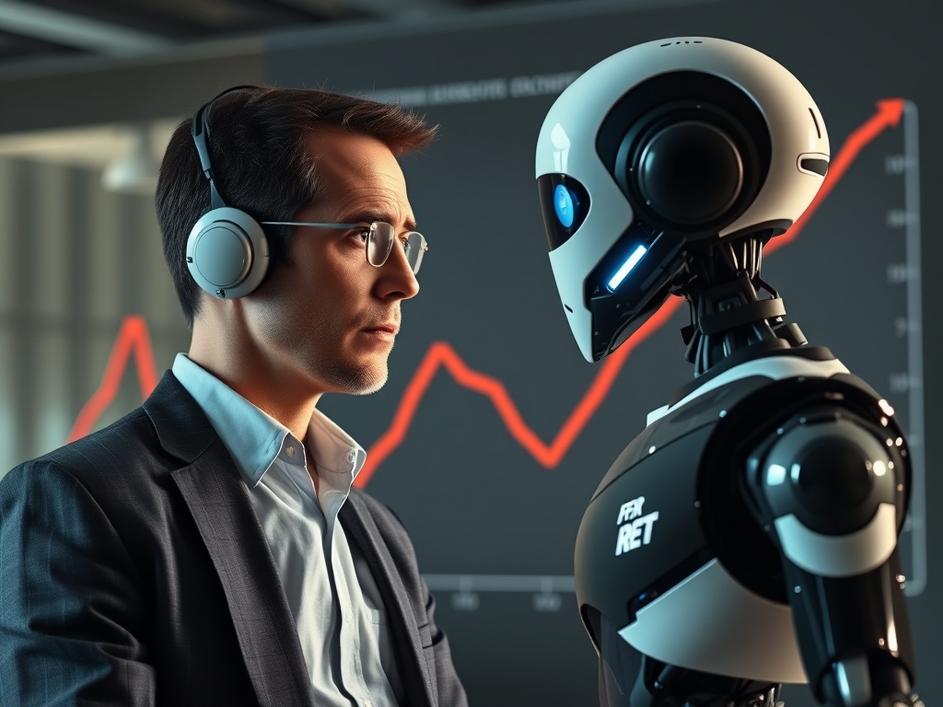
ToggleJerome Powell, the head of the Federal Reserve, recently spoke about two significant issues: the potential for artificial intelligence to wipe out entry-level jobs and the Fed’s decision to keep interest rates where they are. While the latter might seem like standard economic news, Powell’s comments on AI are a wake-up call. He’s essentially saying that the robots are coming for our jobs, and it might hit those just starting out the hardest.
AI has been touted as this incredible tool that will boost productivity and make our lives easier. And in some ways, it probably will. But there’s always a trade-off. The fear is that companies will increasingly rely on AI to perform tasks previously done by human workers, especially those repetitive, data-heavy jobs that often serve as a starting point for young people entering the workforce. Think data entry clerks, basic customer service representatives, or even some roles in content creation. If AI can do those jobs faster and cheaper, businesses will be tempted to make the switch. This isn’t a new concern, automation has been displacing workers for centuries. The difference now is the *speed* at which AI is advancing.
Why is Powell specifically worried about entry-level positions? Because these jobs are crucial for giving people their first taste of the professional world. They provide valuable experience, build resumes, and help young workers develop essential skills. If those opportunities vanish, it could create a ripple effect, making it harder for people to climb the career ladder and contributing to long-term unemployment or underemployment. It’s not just about losing a job; it’s about losing a pathway.
In other news, the Federal Reserve decided to leave interest rates unchanged. This means that borrowing money will continue to cost what it currently does. The Fed is trying to walk a tightrope, keeping rates high enough to fight inflation (rising prices) but not so high that they trigger a recession (an economic downturn). It’s a delicate balancing act, and their decision suggests they’re cautiously optimistic about the economy’s trajectory. But it’s all connected. If AI causes widespread job displacement, that could put downward pressure on wages and consumer spending, potentially impacting the Fed’s decisions down the line. The Fed has increased the interest rate multiple times since 2022 and that might need to be reevaluated to encourage business investment and innovation that creates new jobs.
So, what can we do about this potential AI-driven job apocalypse? The answer isn’t to bury our heads in the sand or try to stop technological progress. That’s impossible. Instead, we need to adapt. This means investing in education and training programs that equip people with the skills needed to thrive in an AI-driven economy. We need to focus on developing uniquely human skills, such as critical thinking, creativity, problem-solving, and emotional intelligence. These are the skills that AI is unlikely to replicate anytime soon. We should also explore policies like universal basic income or expanded social safety nets to help those who are displaced by automation. And of course, we need to have a serious conversation about the ethical implications of AI and how to ensure that it benefits everyone, not just a select few. It may also be time to revisit the traditional education model to put more emphasis on creativity and abstract thought. The more that humans can perform uniquely human tasks, the better they will fare in the age of AI.
Powell’s warning is a reminder that we need to be proactive about addressing the challenges and opportunities presented by AI. It’s not enough to simply sit back and wait to see what happens. We need to start planning now for a future where AI plays an increasingly dominant role in the workplace. The Fed, the government, businesses, and individuals all have a part to play in ensuring that this technological revolution leads to prosperity for all, not just job losses and economic inequality. It’s time to take Powell’s words seriously and start preparing for the AI-powered future, before it’s too late.


Comments are closed