

We are a digital agency helping businesses develop immersive, engaging, and user-focused web, app, and software solutions.
2310 Mira Vista Ave
Montrose, CA 91020

2500+ reviews based on client feedback
What's Included?
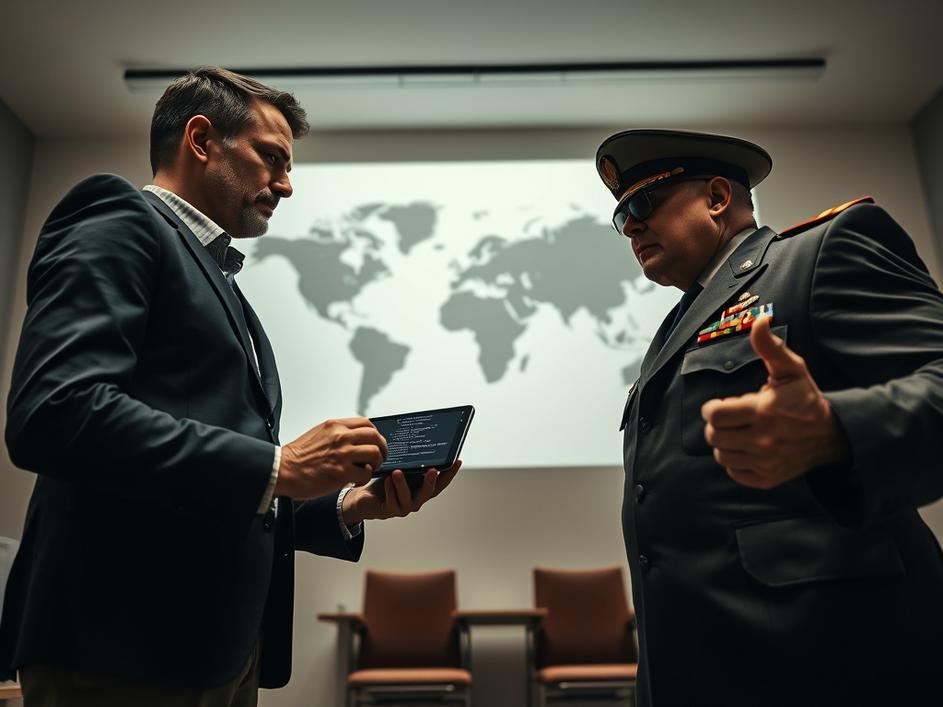
ToggleArtificial intelligence is rapidly changing the world, and with that change comes immense power. But who gets to wield that power, and under what conditions? That’s the central question at the heart of a growing debate, and recently, Anthropic CEO Dario Amodei found himself squarely in the middle of it. Facing a deadline from the Pentagon for unrestricted access to Anthropic’s AI systems, Amodei has taken a firm stand, stating he “cannot in good conscience accede” to the request. This isn’t just a business decision; it’s a declaration about the ethical responsibilities of AI developers and the potential dangers of unchecked military access.
Anthropic, a company focused on building safe and beneficial AI, has a specific mission. They aren’t just creating algorithms; they’re trying to create AI that aligns with human values. Giving the Pentagon unfettered access could potentially undermine that mission. It raises concerns about how the technology might be used, potentially in ways that conflict with Anthropic’s principles. It suggests using AI for autonomous weapons systems, mass surveillance, or other applications that could cause harm.
On the other side, the Pentagon likely views AI as a critical tool for national security. They believe that maintaining a technological advantage is crucial for protecting the country and its interests. In their eyes, restricting access to cutting-edge AI could put the nation at a disadvantage against adversaries who are also developing these technologies. It’s a classic security dilemma: each side’s pursuit of security can inadvertently make the other feel less safe, leading to an escalation of tensions. From their perspective, AI can provide a means for more effective defense, intelligence gathering, and strategic decision-making.
This situation highlights a fundamental conflict between two important values: safety and security. Anthropic prioritizes the safety of its AI and its alignment with human values. The Pentagon prioritizes national security, even if it means potentially using AI in ways that raise ethical questions. This isn’t a simple case of good versus evil. Both sides have legitimate concerns and are acting in what they believe is the best interest of their respective missions. It’s a complex issue with no easy answers.
Amodei’s decision has significant implications for the broader AI industry. It sets a precedent for how AI companies should engage with the military and government agencies. Will other companies follow suit and prioritize ethical considerations over potential contracts and funding? Or will the pressure to maintain a competitive edge and secure lucrative deals outweigh those concerns? The answer to this question will shape the future of AI development and its role in society. This also opens discussions in the broader AI community and sparks debate about responsible innovation, transparency, and accountability.
The challenge now is to find a way to navigate this gray area. Is there a middle ground where AI can be used for national security purposes without compromising ethical principles? Perhaps the solution lies in establishing clear guidelines and regulations for the use of AI in military applications. This could involve restricting the use of AI in autonomous weapons systems, requiring human oversight in decision-making processes, and ensuring transparency in how AI is being used. It will also require open dialogue and collaboration between AI developers, government agencies, and ethicists.
The standoff between Anthropic and the Pentagon is a stark reminder of the ethical challenges that come with advanced technology. As AI becomes more powerful and pervasive, it’s crucial that we grapple with these issues proactively. We need to establish clear ethical frameworks, promote responsible innovation, and ensure that AI is used for the benefit of humanity. This requires a collective effort from researchers, policymakers, industry leaders, and the public. The decisions we make today will determine the future of AI and its impact on the world.
This situation extends beyond just one company or government agency. It serves as a wake-up call for the entire tech industry and the broader public. It’s a call to critically examine the potential consequences of rapidly advancing technology and to ensure that ethical considerations are at the forefront of development. We must encourage open discussions, foster collaboration, and develop comprehensive guidelines to navigate these complex issues. Only through responsible development and thoughtful deployment can we hope to harness the power of AI for good and mitigate its potential harms.



Comments are closed