

We are a digital agency helping businesses develop immersive, engaging, and user-focused web, app, and software solutions.
2310 Mira Vista Ave
Montrose, CA 91020

2500+ reviews based on client feedback
What's Included?
ToggleArtificial intelligence is rapidly evolving, and its applications are expanding into areas previously confined to science fiction. One of the most critical, and potentially fraught, of these areas is national security. A recent report highlighted a growing tension between Anthropic, one of the leading AI developers, and the Pentagon. This isn’t just a business disagreement; it’s a glimpse into the complex ethical and strategic dilemmas posed by AI’s integration into military operations. The core issue seems to be about control, transparency, and the very definition of what constitutes responsible AI development in a defense context.
Imagine if Anthropic were selling bullets. The lines would be clear, the regulations established, and the potential consequences well-understood. But AI isn’t a conventional weapon. It’s a multifaceted tool that can be used for everything from analyzing satellite imagery to automating drone strikes. This ambiguity is precisely what makes the Anthropic-Pentagon situation so challenging. The Pentagon wants access to cutting-edge AI to maintain its strategic advantage, but Anthropic, like many AI companies, is wary of the ethical implications of its technology being used in warfare. They worry about unintended consequences, algorithmic bias, and the potential for autonomous weapons systems that could escalate conflicts without human intervention. It is about how algorithms could be used and for what purpose.
Anthropic’s concerns reflect a broader debate within the AI community about the responsible development and deployment of AI technologies. Many researchers and developers believe that AI should be used to benefit humanity, not to enhance its capacity for destruction. This stance puts them at odds with military organizations that see AI as a critical tool for national defense. The question then becomes: Can these competing interests be reconciled? Is it possible to develop AI that serves both national security interests and ethical principles? Or are we destined for a future where AI is primarily used to wage war, with potentially catastrophic consequences?
One of the biggest challenges in the AI-defense space is the lack of transparency and accountability. Military applications of AI are often shrouded in secrecy, making it difficult to assess their potential risks and benefits. This lack of transparency can erode public trust and make it harder to have informed discussions about the ethical implications of AI in warfare. Anthropic is likely pushing for greater transparency and accountability in its dealings with the Pentagon, wanting assurances that its technology will be used responsibly and in accordance with ethical guidelines. This is not just about protecting their reputation; it’s about safeguarding against the potential for AI to be used in ways that violate human rights or international law.
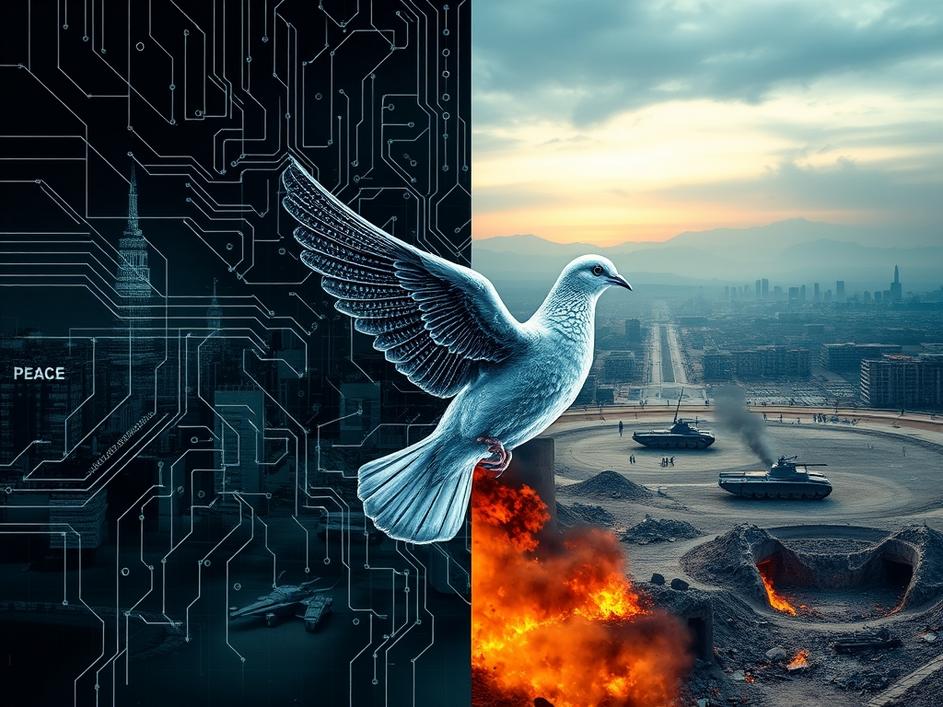
The fight between Anthropic and the Pentagon is a microcosm of a larger struggle to define the future of AI and its role in national security. As AI technologies become more powerful and pervasive, it’s crucial that we have open and honest conversations about their potential risks and benefits. This includes addressing issues such as algorithmic bias, autonomous weapons systems, and the potential for AI to be used for malicious purposes. It also means establishing clear ethical guidelines and regulatory frameworks for the development and deployment of AI in military contexts. Ultimately, the goal should be to ensure that AI is used to promote peace and security, not to exacerbate conflict and violence. The choices we make today will determine whether AI becomes a force for good or a catalyst for destruction in the years to come.
Navigating this complex landscape requires finding common ground between the AI community and the defense establishment. One potential solution is to establish independent oversight boards that can review and assess the ethical implications of AI-powered defense systems. These boards could include experts from a variety of fields, including AI ethics, international law, and national security. Another approach is to promote greater collaboration between AI researchers and military personnel, fostering a shared understanding of the capabilities and limitations of AI technologies. This collaboration could help to identify potential risks and develop mitigation strategies. The key is to create a culture of transparency and accountability, where ethical considerations are at the forefront of AI development and deployment.
The standoff between Anthropic and the Pentagon isn’t just a clash of interests; it’s a crucial inflection point. It highlights the urgent need for a thoughtful, ethical approach to AI development in the defense sector. The future of AI, and perhaps the future of warfare itself, depends on our ability to navigate these complex challenges responsibly. We need more companies like Anthropic willing to stand up for their values, and more government agencies willing to engage in open and honest dialogue about the ethical implications of AI. Only then can we hope to harness the power of AI for the good of humanity, rather than its destruction.


Comments are closed