

We are a digital agency helping businesses develop immersive, engaging, and user-focused web, app, and software solutions.
2310 Mira Vista Ave
Montrose, CA 91020

2500+ reviews based on client feedback
What's Included?
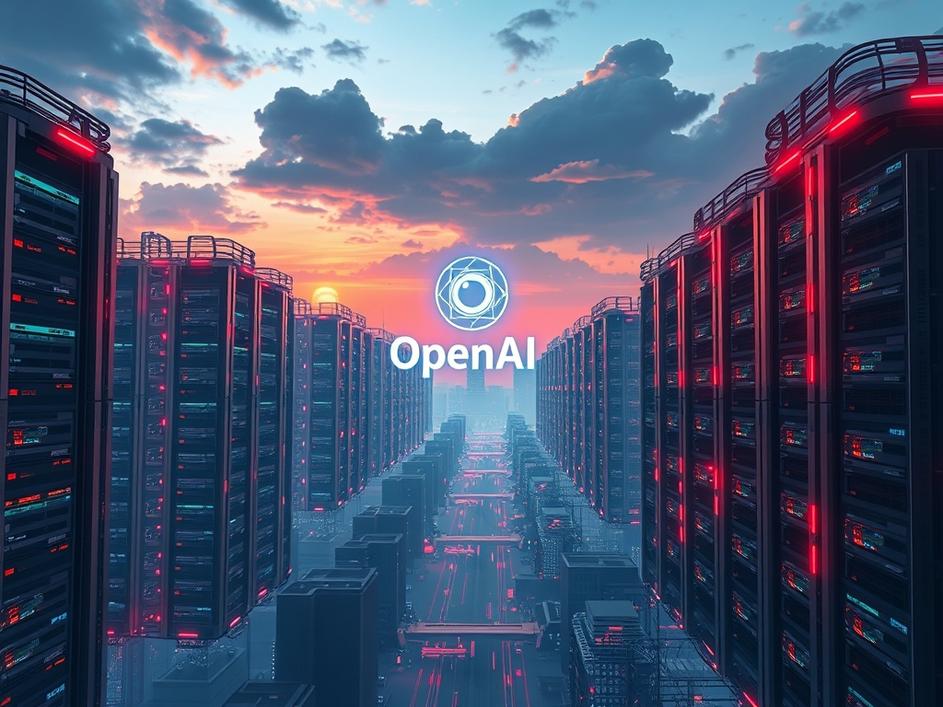
ToggleArtificial intelligence is expensive. Creating, training, and deploying these models requires immense computing power, specialized talent, and vast datasets. And it seems OpenAI, the company behind the popular ChatGPT, is looking to fuel its ambitions with a significant influx of capital. Recent reports suggest they’re in talks to secure billions of dollars in funding from some of the biggest names in tech: Nvidia, Amazon, and Microsoft. This news underscores the fierce competition and immense investment pouring into the AI landscape.
It’s not surprising to see these companies circling OpenAI. Nvidia provides the powerful GPUs that are essential for training AI models. Amazon Web Services (AWS) offers the cloud infrastructure where these models can run and scale. And Microsoft has already invested heavily in OpenAI, integrating its technology into various products and services. For each of these players, aligning more closely with OpenAI provides strategic advantages. Nvidia secures a key customer for its hardware. Amazon bolsters its cloud offerings with cutting-edge AI capabilities. And Microsoft strengthens its position in the rapidly evolving AI market. It’s a symbiotic relationship where everyone stands to gain.
So, what exactly will OpenAI do with all this money? The possibilities are vast. They could invest in developing even more advanced AI models, expand their research efforts, improve their existing products, or explore new applications for AI technology. One area of focus could be artificial general intelligence (AGI), a hypothetical level of AI that surpasses human intelligence in many domains. Pursuing AGI is a long-term and incredibly expensive endeavor, but it’s a goal that seems to drive much of OpenAI’s work. Another possibility is scaling up their infrastructure to handle the growing demand for their AI services. ChatGPT, for example, has experienced explosive growth, and OpenAI needs to ensure they can support that demand while maintaining performance and reliability. The infusion of funds could allow them to move faster and build something transformational.
This potential funding round also highlights the intense competition in the AI space. OpenAI isn’t the only player attracting significant investment. Other companies, like Google, Meta, and various startups, are also vying for dominance. Each company has its own strengths and weaknesses, and the race to develop the most advanced and useful AI is far from over. The involvement of Nvidia, Amazon, and Microsoft in OpenAI’s funding round could create a powerful alliance, giving them a significant edge over their rivals. And as these companies continue to invest in AI, we can expect to see even more innovation and disruption in the years to come. The competition is fierce, with everyone wanting a piece of the pie.
While the potential benefits of AI are undeniable, it’s also important to consider the ethical implications and potential risks. As AI models become more powerful, concerns about bias, fairness, and accountability become increasingly important. There’s also the risk that AI could be used for malicious purposes, such as creating deepfakes, spreading misinformation, or automating jobs at a massive scale. It’s crucial that companies like OpenAI address these concerns proactively and develop AI responsibly. This includes investing in research on AI safety, promoting transparency, and working with policymakers to establish appropriate regulations. Getting ahead of these issues early will be essential to managing the risks.
Ultimately, the success of OpenAI and the broader AI ecosystem will depend on how well these technologies are integrated into society. AI has the potential to revolutionize various industries, from healthcare and education to transportation and manufacturing. But it’s important to ensure that these benefits are shared widely and that AI is used to improve the lives of everyone. This requires a collaborative effort involving researchers, developers, policymakers, and the public. By working together, we can harness the power of AI for good and create a future where everyone benefits from this transformative technology.
The pursuit of AI is fraught with uncertainty. Massive funding rounds represent a high-stakes gamble on future value and impact. While investment is necessary for progress, the allocation of resources and development of robust ethical frameworks are paramount. The potential for both profound benefit and unforeseen risks underscores the need for careful consideration as OpenAI and other AI developers advance. The future is unwritten, but the direction must be shaped with wisdom and foresight to ensure the technology serves humanity’s best interests.



Comments are closed